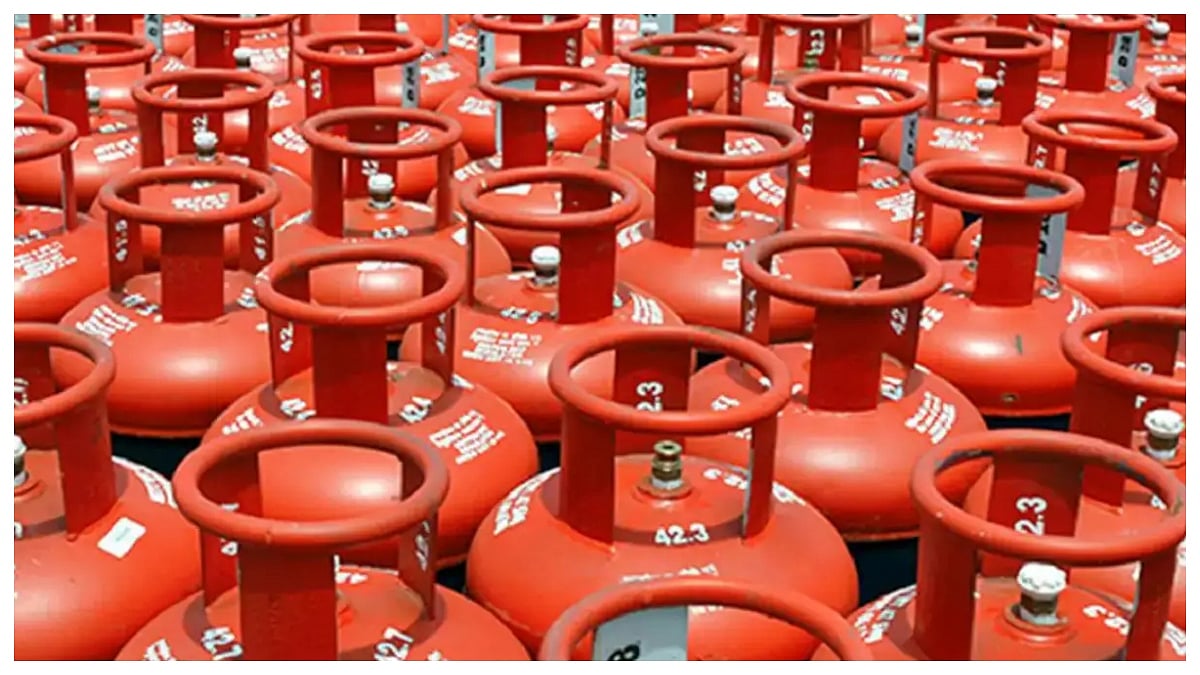
A sudden shortage of commercial LPG (cooking gas) has hit India’s major cities, forcing restaurants to shut down and consumers to scramble for electric induction stoves. The crisis is a direct fallout of the escalating conflict in the Middle East involving the US, Israel and Iran. Here is everything you need to know about why your favourite eatery might be closed and how the government is trying to keep your home kitchen running.
The big picture: What’s happening?
India is currently facing a squeeze on LPG and natural gas supplies. While you might still have gas at home, businesses like hotels and restaurants are reporting a massive shortage.
To manage the crisis, the government has stepped in with emergency laws to prioritise households over businesses. This has led to:
Commercial shortages: Some 20% of restaurants in cities like Mumbai have already shut their doors.
Booking limits: You now have to wait 25 days (up from 21) between booking refills for your home cylinder to prevent panic buying.
Panic shopping: Induction cooktops are selling out on platforms like Blinkit and Zepto as people fear the gas might run out entirely.
Why is there a shortage?
The "Why" boils down to geography and war. India imports about 60-65 per cent of its LPG. Roughly 90 per cent of those imports come from the Middle East and must pass through the Strait of Hormuz—a narrow waterway that Iran has effectively blocked due to the ongoing conflict.
Because the ships can’t get through, the supply of gas arriving at Indian ports has plummeted. Major exporters like Iraq and Kuwait have also cut their output, making it harder to find alternative sources quickly.
How is the government responding?
The government has pulled a powerful legal lever: the Essential Commodities (EC) Act of 1955.
Diverting resources: Refineries (like those run by Reliance and Indian Oil) have been ordered to stop making "luxury" petrochemicals and instead use those raw materials (propane and butane) to make more LPG for homes.
The priority list: Under the new Natural Gas (Supply Regulation) Order 2026, the government has created a "VIP list" for gas.
Top priority: Homes (PNG), transport (CNG), and making more LPG.
Second priority: Fertiliser plants (to ensure food security).
Bottom of the List: Industrial and commercial users, including the restaurants currently struggling.
Price control: While commercial prices rose by Rs60 in early March, the government is leaning on state-run oil companies to "absorb" costs so that petrol and diesel prices don't spike for the average citizen.
Where is this hitting the hardest?
The impact is mostly felt in metro cities like Bengaluru, Chennai, Delhi and Mumbai.
Hotels & eateries: The National Restaurant Association of India (NRAI) is advising kitchens to switch to electric grills and pressure cookers to save gas.
Retail: In areas without Piped Natural Gas (PNG), people are buying every electric stove in sight. Interestingly, neighborhoods with piped gas (like Greater Noida) are seeing less panic because underground pipelines are less affected by the logistical "truck and tank" drama of LPG cylinders.
Is India going to run out of fuel?
Government officials say no. India has a total storage capacity for about 74 days of crude oil and petroleum products. While the LPG "buffer" is thinner than crude oil, the government is already sourcing new consignments from outside the Middle East (including a 10 per cent increase in imports from the US) to bridge the gap.
Common questions
Will my home gas price go up? The government is trying to keep domestic prices stable, but "panic booking" has already caused some minor price fluctuations.
Why can't restaurants just use domestic cylinders? Using domestic cylinders for commercial purposes is illegal under the EC Act and can lead to heavy fines or jail time.
What if I need a refill sooner than 25 days? The 25-day rule is a hard limit designed to stop hoarding. Officials point out that an average household only uses 7-8 cylinders a year, so a 25-day gap should technically be enough for most.

