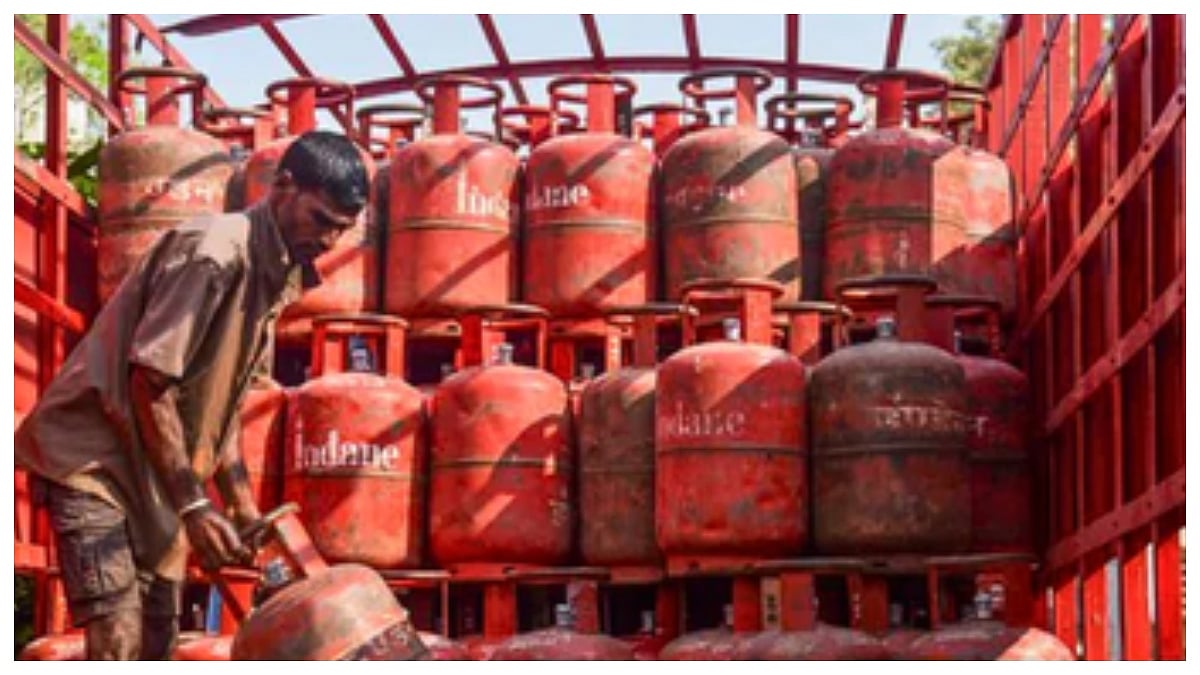
Mumbai: India is witnessing a sharp rise in gas prices as tensions in the Middle East disrupt global energy supplies. The ongoing conflict involving Iran has created major problems for shipments passing through the Strait of Hormuz, a key global energy route. The impact is now being felt in Indian cities through higher LPG prices and tighter gas supplies.
Why The Strait Of Hormuz Matters?
The Strait of Hormuz is one of the most important energy shipping routes in the world. A large portion of global oil and gas cargo passes through this narrow waterway.
Due to the ongoing conflict, tanker traffic through the route has been severely disrupted. Iran has reportedly targeted vessels trying to pass through the corridor, increasing security risks for shipping companies.
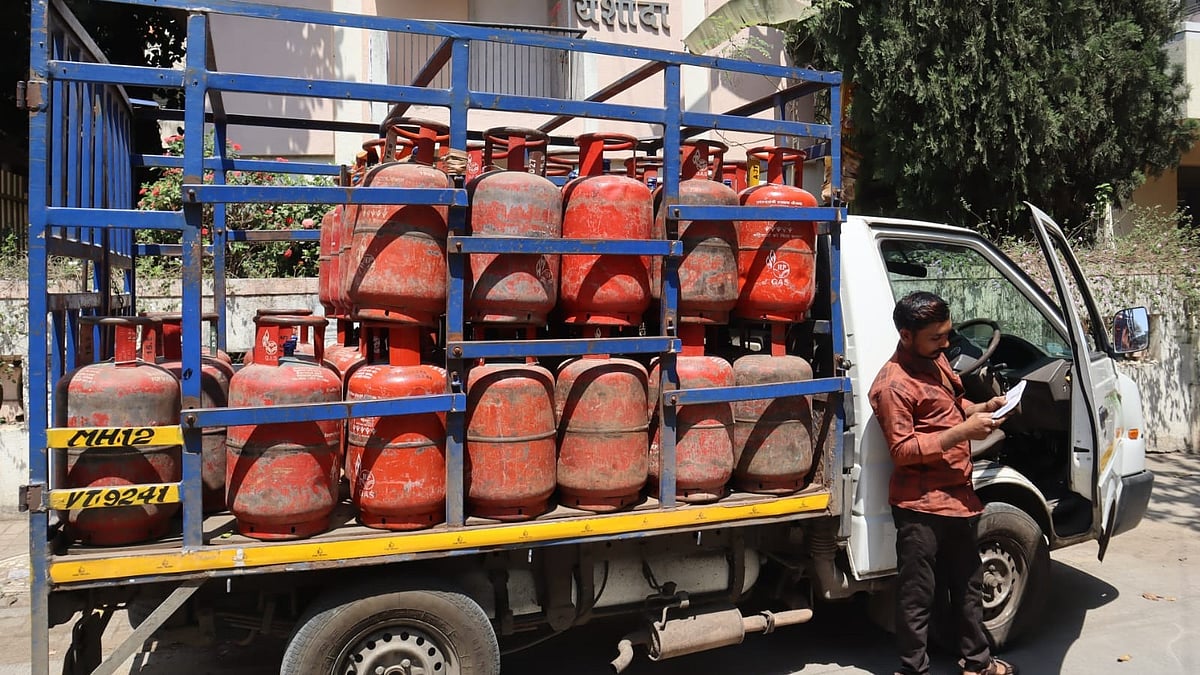
Because of these risks, several suppliers have slowed shipments or issued force majeure notices, saying they cannot meet supply commitments due to circumstances beyond their control.
India’s Heavy Dependence On Gas Imports
India depends heavily on imported gas to meet its energy needs. The country consumed around 190 million metric standard cubic metres per day (mmscmd) of natural gas during April–October last year.
A large part of this demand is fulfilled through imports.
India imports more than 60 percent of its LPG consumption, and about 85–90 percent of these imports normally pass through the Strait of Hormuz. This makes the country highly vulnerable to disruptions in the region.
In FY25, India consumed about 31.3 million tonnes of LPG. Out of this, only 12.8 million tonnes were produced domestically.
LNG, CNG And LPG: How Gas Reaches Consumers?
Natural gas is used to produce LPG, LNG and other fuel products.
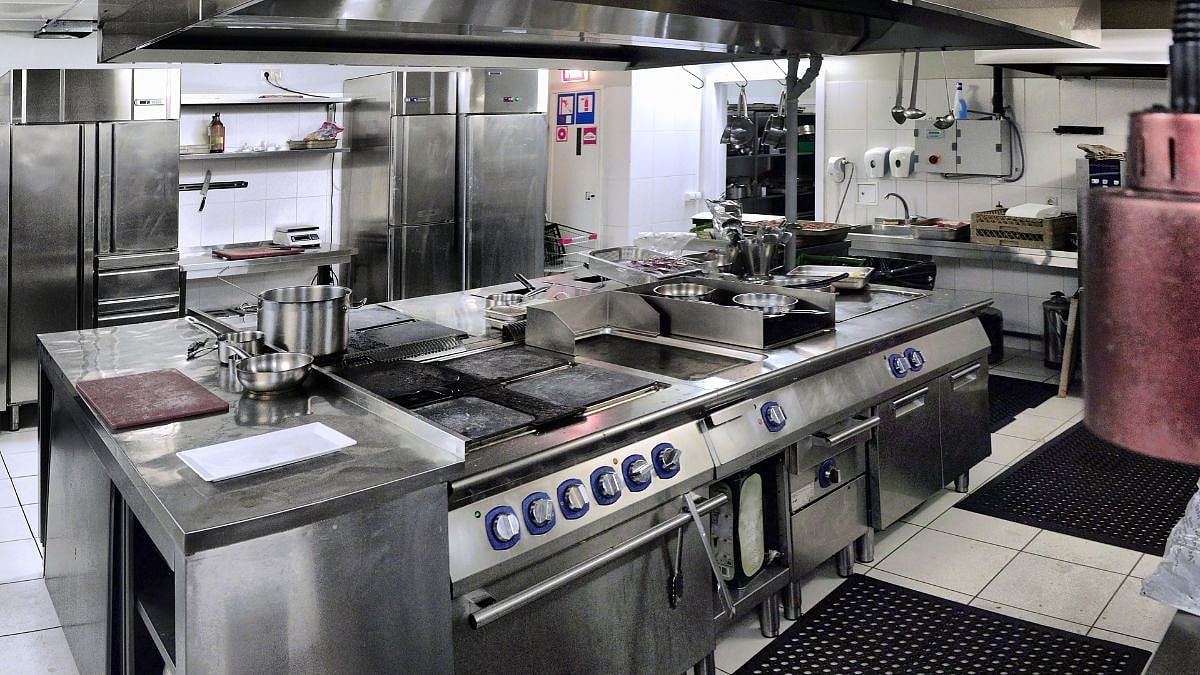
LPG, or liquefied petroleum gas, is widely used in household cooking cylinders and in commercial kitchens such as restaurants and hotels. It is transported in liquid form through ships.
CNG, or compressed natural gas, is mainly used as a transport fuel and is considered a cleaner alternative to petrol and diesel.
India imports natural gas in liquefied form as LNG. After LNG arrives at import terminals, it is converted back into gas and distributed through pipelines or compressed further for use as CNG.
India is currently the fourth-largest LNG importer in the world after China, Japan and South Korea.
Supply Shock From Qatar
The crisis worsened after Qatar halted LNG production at a major export facility following an Iranian drone attack.
This facility is one of the largest LNG export terminals in the world and plays a key role in global gas trade.
Following the disruption, QatarEnergy issued a force majeure notice, stating it could not fulfil supply commitments to Petronet LNG, India’s largest LNG importer.
As a result, state-run gas utility GAIL said its LNG supplies routed through Petronet LNG had effectively dropped to zero during the disruption.
Prices Rise Across India
The supply shock has pushed up gas prices in India.
Domestic LPG prices have increased by about Rs 60 per cylinder, while commercial LPG prices have risen by Rs 114.5.
European natural gas prices also jumped nearly 40 percent last week after the Qatar supply disruption.
Several cities, including Mumbai and Bengaluru, have reported supply shortages. Some restaurants have warned that they may temporarily shut down if fuel supplies remain tight.
Government Steps To Manage Crisis
The Indian government has started taking steps to control the situation.
The Ministry of Petroleum and Natural Gas has directed oil refineries to increase LPG production and divert additional output for domestic use.
Authorities have also introduced a 25-day gap between LPG cylinder bookings to prevent hoarding and black marketing.
Imported LPG is being prioritised for essential services such as hospitals and educational institutions.
The government has also issued the Natural Gas (Supply Regulation) Order, 2026, to prioritise gas supply for PNG, CNG and LPG production.
However, experts warn that if tensions in the Middle East continue, supply disruptions may persist and gas prices could remain high.

