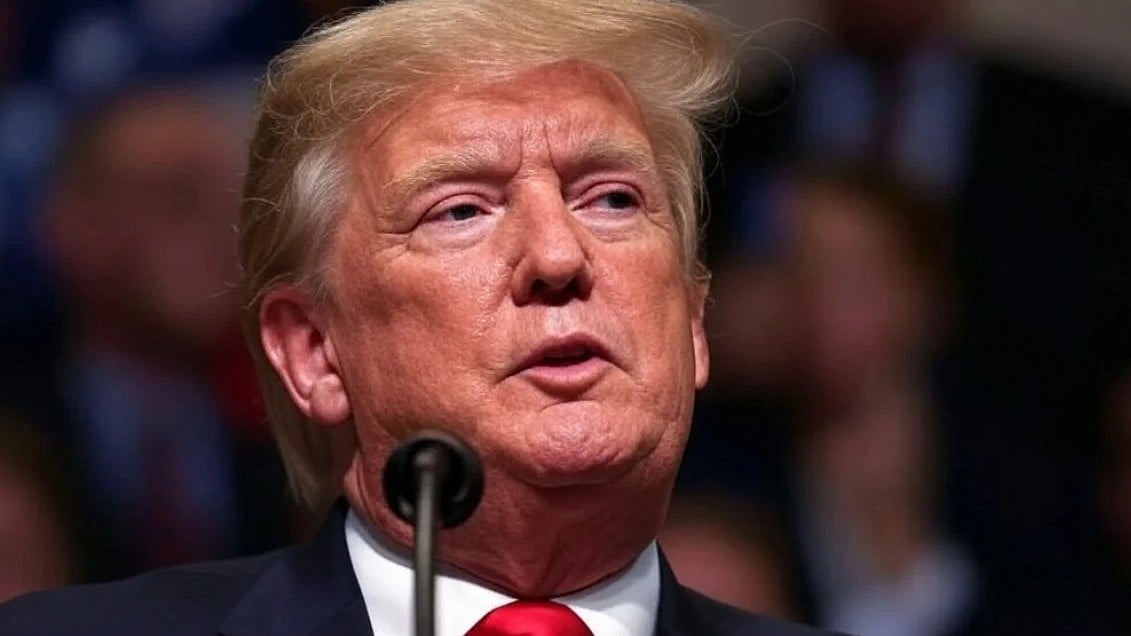
US President Donald Trump has suggested imposing fresh tariffs on agricultural imports, particularly Indian rice and Canadian fertilisers, as trade discussions with these countries are moving slowly.
The comments came after Trump announced a USD 12 billion support package for American farmers, citing concerns that imports were hurting domestic producers.
Concerns About Indian Rice
Trump said he would 'take care” of Indian rice allegedly being dumped into the US market.
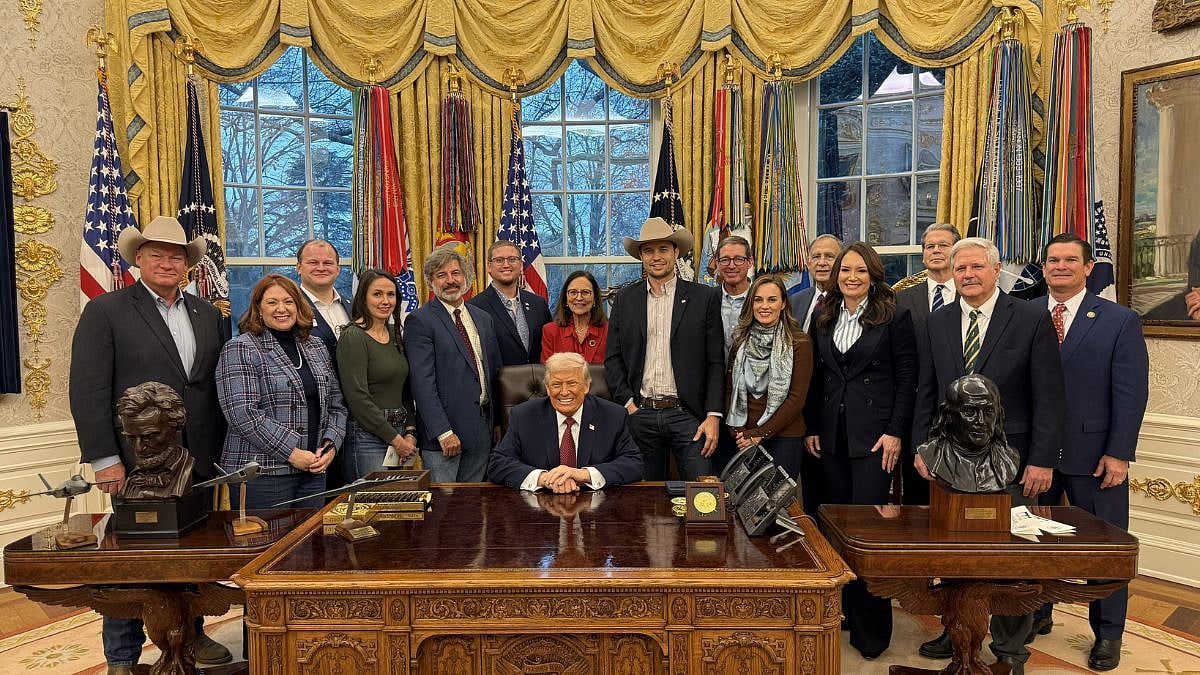
He noted that American farmers had raised concerns about falling rice prices due to imports from India, Thailand, and Vietnam, which, according to them, undercut local crops.
'They shouldn’t be dumping,” Trump said, emphasizing his intention to protect US farmers.
IREF Reacts
The Indian Rice Exporters Federation (IREF) responded, highlighting that before the latest tariff increase, Indian rice faced a 10% duty, which has now risen to 50%, an increase of 40 percentage points.

Despite high tariffs, Indian rice exports have continued successfully, showing the sector’s resilience and global competitiveness.
Dev Garg, IREF Vice-President, said India’s rice exports are diversified and that the Federation is working with the government to strengthen trade partnerships and explore new markets.
Tariffs on Canadian Fertilisers
Trump also hinted at new tariffs on Canadian fertilisers to boost domestic production.
'A lot comes in from Canada, so we may put severe tariffs on that if needed,” he said. Trump has repeatedly raised trade concerns with Canada and even hinted at reopening trade agreements for better terms.
Trade Talks Remain Challenging
Efforts to stabilise trade relations with both India and Canada have faced difficulties. Earlier in October, Canadian Prime Minister Mark Carney met Trump at the White House, aiming to negotiate a trade deal.
However, Trump provided no specific timeline for an agreement.
US Economy and Farmers Under Pressure
Trump’s remarks come as the US economy faces challenges, especially for farmers dealing with higher input costs and market pressures. Tariffs are being considered as a tool to support domestic agricultural producers.

