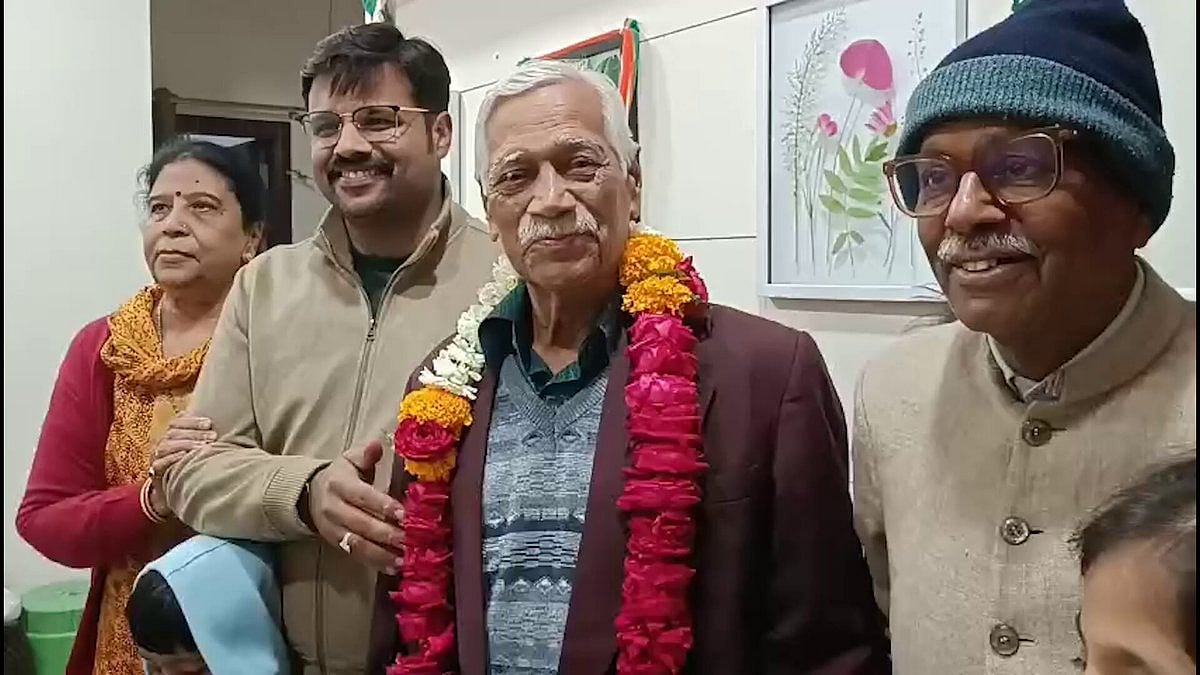
Bhopal (Madhy Pradesh): "I feel honoured to have been selected for the same award my guru and well-known archaeologist VS Wakankar received it half a century ago. This was stated by archaeologist Narayan Vyas who has been selected for Padma Shri award this year. “This is in keeping with the ancient Indian guru-shishya parampara,” he told Free Press.
About his lifelong association with Wakankar who discovered Bhimbetka rock shelters - a UNESCO World Heritage site in Raisen district - Vyas said that he worked as Wakankar’s assistant during excavations at Bhimbetka in 1972. Wakankar, a professor at Vikram University, Ujjain, had taught Vyas when he was pursuing postgraduation in archaeology from the university.
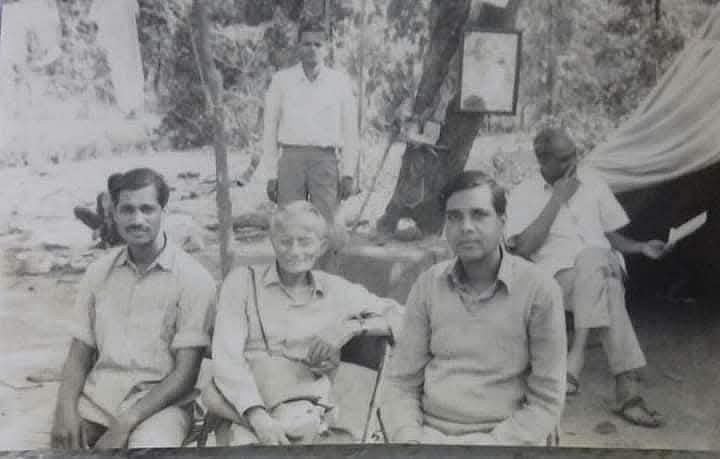
“Wakankarji first saw Bhimbetka rocks from Obaidullaganj railway station while he was travelling on a train from Bhopal to Nagpur. He was so mesmerised that he got down at Berkhera, the next railway station, and after staying there for the night, marched on foot to the hills only to find rock shelters dating back to the stone age. That was on March 23,1957,” Vyas said.
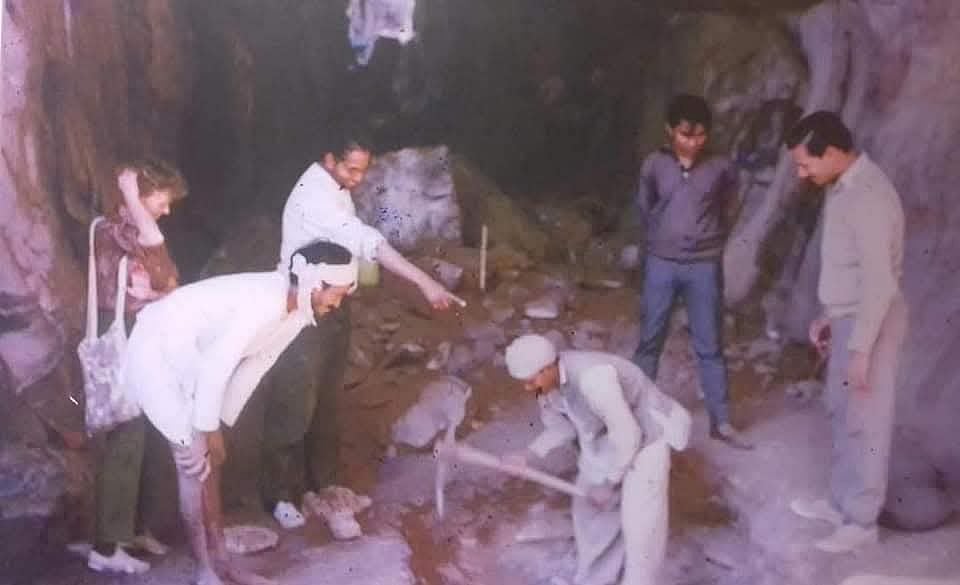
After completing MA and obtaining postgraduate diploma in archaeology conducted by Archaeological Survey of India in New Delhi, he returned to Ujjain. I was unemployed and Wakankar ji asked me to work as his assistant for excavations at Bhimbetka,” he said.
The excavations began in January 1972, “At the time, the place was located deep inside a dense forest, inhabited by wild animals. We lit fires around our camp in the night to keep the wild animals at bay. The equipment for excavation was transported on bullock carts, ” recalls Vyas.
As the excavation progressed, the rock paintings, made by pre-historic people who inhabited the rock shelters, began emerging. It was the greatest archaeological find in independent India.
The same year, Vyas joined the ASI’s Bhopal office as technical assistant and rose through the ranks to retire as Superintending Archaeologist in 2009, having served in the body for 37 years.
“I was posted in Gujarat, Rajasthan, Chhattisgarh and many other places but I kept in touch with Wakankar ji and he visited me at almost every place I was posted,” says Vyas.
Born in Ujjain, 77 year-old Narayan Vyas is an eminent archaeologist settled in Bhopal. He discovered the Great Wall of India in Raisen. He was instrumental in the discovery of UNESCO world heritage site - Bhimbetka rock shelters.

