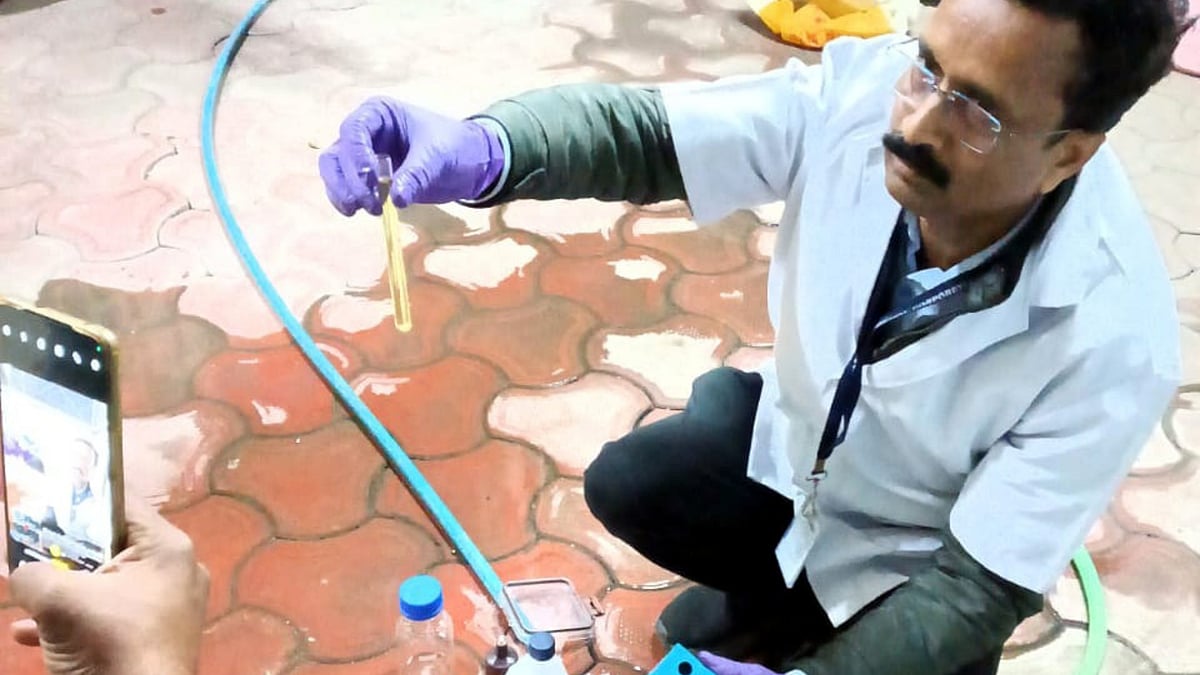
Bhopal (Madhya Pradesh): Bhopal Municipal Corporation’s (BMC) detailed water quality report allegedly appears highly misleading, as the important test for Helicobacter pylori (H. pylori) infection is missing despite its presence in Indore’s tragedy, as these bacteria were also the reason for water contamination in the whole Bhagirathpura area.

Also, all the readings in the report of Bacteriological Analysis have been shown as “00” (NIL), which experts say is scientifically impossible.
In particular, the report claims zero total coliform levels across all samples. Experts argue that even if chlorine is added, water travelling through pipelines inevitably picks up some contaminants over time. Showing zero coliform everywhere raises serious doubts about the authenticity of the report, making it difficult to trust its conclusions.
No clarity on water sources
The report fails to mention the source of water samples whether they were drawn from borewells, Narmada supply, or other sources. In a large city like Bhopal, water sources vary significantly from area to area. Experts stress that mentioning the source of each sample is mandatory, as water quality parameters differ based on origin. The absence of this crucial information further weakens the report’s credibility.
Only physical & chemical tests conducted
Speaking with Free Press Dr Rahul Shrivastava professor of Biotechnology at MANIT, Bhopal, said that the municipal report includes only basic physical and chemical tests, while ignoring several critical parameters essential to assess whether water is truly safe and healthy for consumption.
Key missing parameters include
1. Dissolved Oxygen (DO): For potable and healthy water, DO levels should be at least 6 mg/L, but this was not tested.
2. Biochemical Oxygen Demand (BOD): Should be below 2 mg/L to indicate low organic pollution; not included in the report.
3. Chemical Oxygen Demand (COD): Should remain under 5 mg/L, yet no data was provided.
4. Microplastics: Despite growing global concern, no testing was conducted.
5. Pesticides: Essential for water sourced from rivers or reservoirs, but completely ignored.

Dangerous elements missing from analysis
Experts also highlighted that testing for several hazardous elements is mandatory for drinking water safety, but the report contains no data on them.
Elements Permissible Limit
Iron 0.3 mg/L
Fluoride 1.0 mg/L
Nitrate 45 mg/L
Zinc 5 mg/L
Lead (Pb) 0.01 mg/L
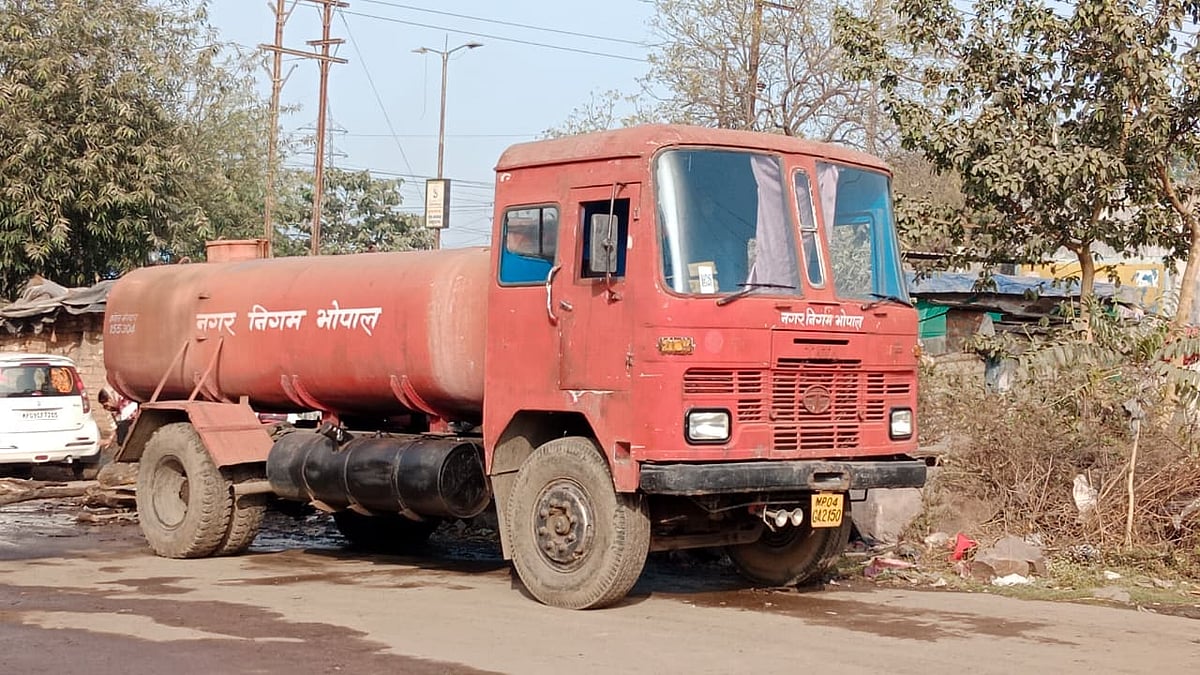
Fit for Drinking’ claim misleading: Experts
Experts allege that the municipal corporation conducted only 2–3 basic tests primarily for fecal bacteria and chlorine levels purely for administrative convenience. Declaring water as “Fit for Drinking” based on such limited testing amounts to misleading the public.
If there are some kinds of manipulations in water reports, they will be looked into and addressed. We are also seeking some experts to help our lab officials.
Tanmay V Sharma
Additional Commissioner, BMC

