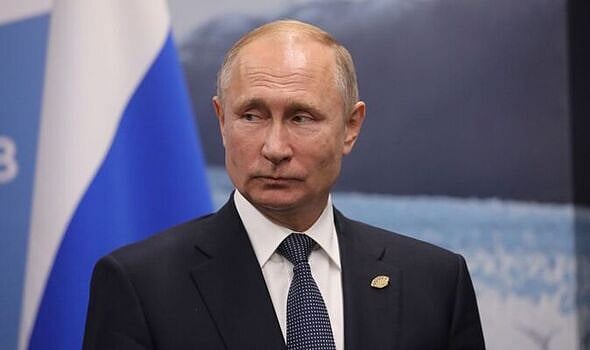
Russian President Vladimir Putin on June 23 (IST) accused Western nations of deliberately creating tensions with Russia while using allegations of a Russian military threat to justify increased defence spending and military expansion.
Speaking at an event marking the anniversary of Nazi Germany's invasion of the Soviet Union during World War II, Putin said that NATO and European Union leaders were "openly talking about preparing for war" with Russia and were significantly increasing military budgets and defence capabilities.
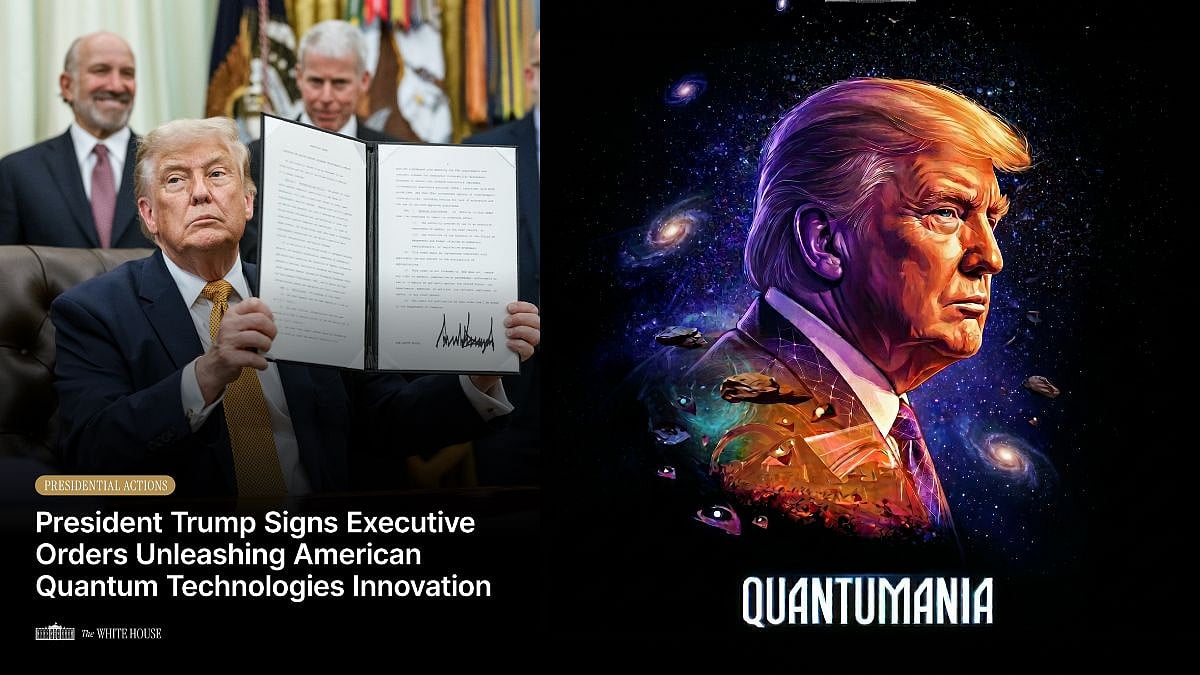
According to Putin, Western governments continue to portray Russia as a military threat in order to justify what he described as the "radical militarisation" of their states. He argued that the West follows a pattern of creating security challenges for Russia, prompting Moscow to take defensive measures, and then blaming Russia for the resulting tensions.
"The scheme of actions of the so-called democratic West is very simple: first, they create threats to our country, force us to take actions necessary for self-defence and self-protection, and then they immediately accuse us of all mortal sins to justify continuing their aggressive policy," Putin said.
Drawing a historical parallel, the Russian leader referred to the June 22, 1941, invasion of the Soviet Union by Nazi Germany. He claimed that even after what he described as a "treacherous attack" on the Soviet Union, Germany attempted to portray the USSR and Soviet leader Joseph Stalin as aggressors against what he termed the "collective West."
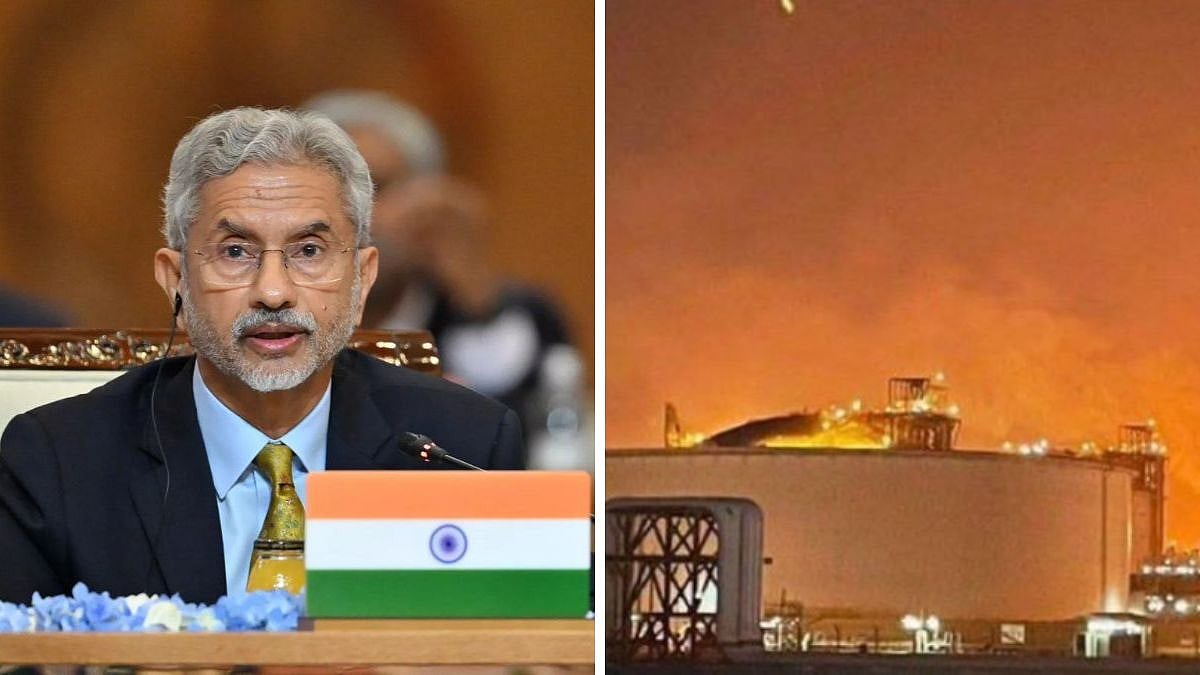
Putin's remarks come amid continuing tensions between Russia and Western countries over security issues, military spending and the ongoing conflict in Ukraine. Relations between Moscow and NATO members have remained strained, with both sides accusing each other of actions that undermine regional and global security.
Western governments have consistently defended increased defence expenditures and military preparedness as necessary responses to security challenges posed by Russia, while Moscow has argued that NATO's expansion and military activities near its borders threaten Russian security interests.

