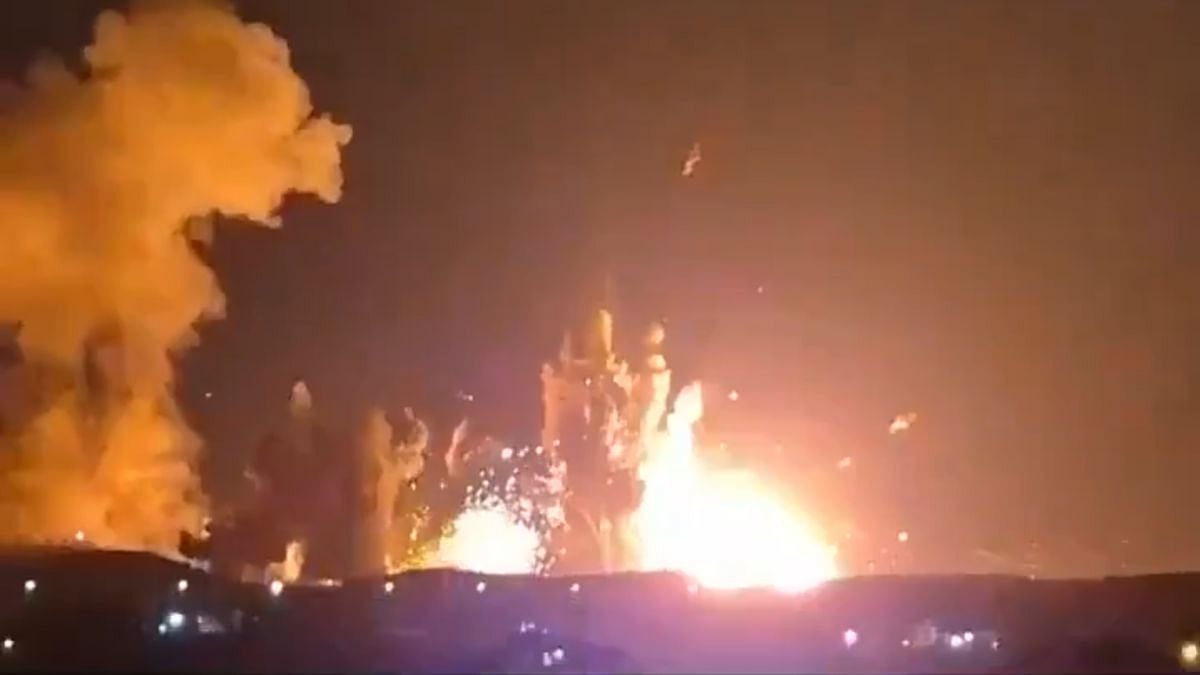
Dubai: The United States launched new airstrikes against Iran early Thursday, and Tehran responded by targeting US-allied Mideast countries in an exchange of fire that threatened an interim deal intended to help end the war in the Middle East.
Back-and-forth attacks, including a day earlier, have repeatedly threatened the ceasefire. But Thursday's appeared bigger all around, with sirens sounding at least three times in Bahrain, home to the US Navy's 5th Fleet headquarters, and missiles targeting Kuwait and Qatar.
Sirens sounded Thursday afternoon in Jordan as well, where the US has stationed troops and aircraft.
An Iranian official accused the US of launching an airstrike later Thursday targeting the area around Iran's sole nuclear power plant, and other explosions were reported elsewhere in the country during the afternoon.
Early Friday, Supreme Leader Ayatollah Ali Khamenei was laid to rest in his hometown of Mashhad after days of public mourning. Khamenei was killed in the opening salvos of the Iran war.
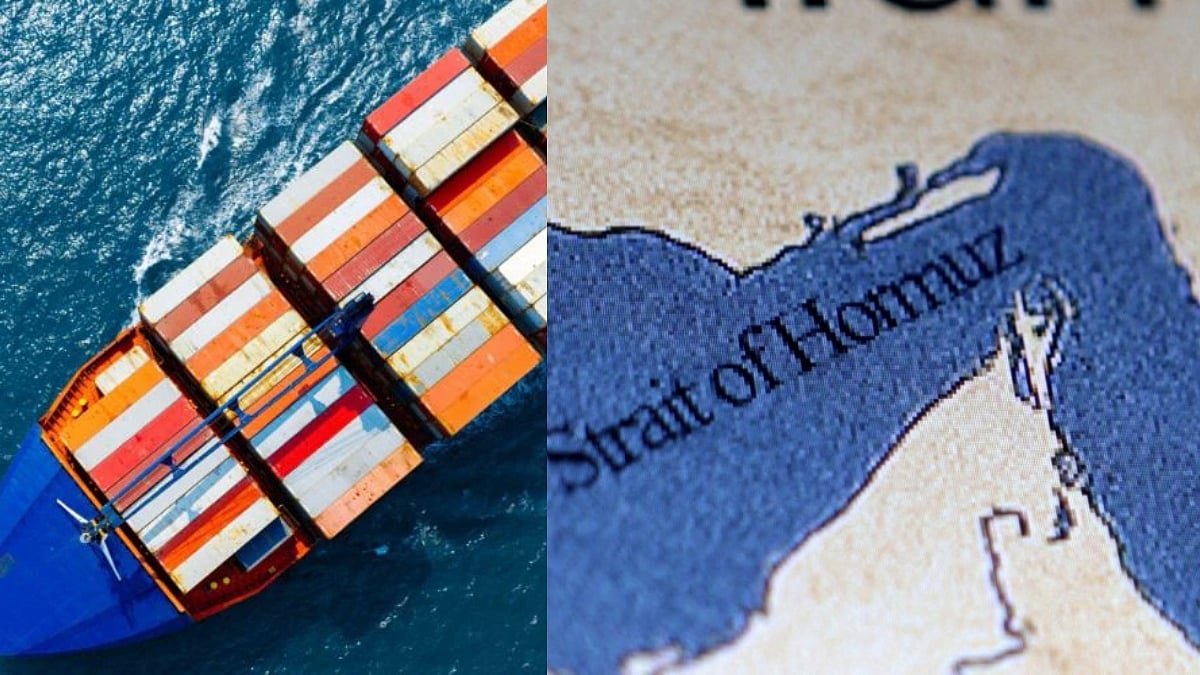
The strikes came hours after US President Donald Trump said recent Iranian attacks on ships in the Strait of Hormuz signalled the end of a fragile ceasefire and threatened to escalate the conflict if they didn't stop. That raised concerns that the region could tip back into a war that would engulf several countries and could halt energy shipments through the strait that are crucial for the global economy.
In Iran, the two days of American airstrikes have killed at least 14 people and wounded another 78, Iran's Health Ministry said Thursday. Most were reportedly members of the armed forces.
In Kuwait, the military said falling debris wounded one person as the nation shot down three ballistic missiles, a cruise missile and 10 drones. Bahrain said it shot down incoming fire, without elaborating, and Jordanian government spokesman Mohammad al-Momani said all incoming fire from Iran had been intercepted. Iranian state TV said the country's paramilitary Revolutionary Guard fired missiles at a US base in Jordan.
There was no immediate word of damage in Qatar.

US strikes hit more targets The US military's Central Command said it hit 90 targets across Iran, releasing black-and-white footage of what appeared to be strikes on an airport runway and missile launchers.
The US said the strikes were intended to "further degrade" Iran's ability "to threaten freedom of navigation" in the strait, through which a fifth of the world's traded oil and natural gas passed before the war began with US and Israeli attacks on February 28.
Traffic has picked up somewhat since a tentative deal last month included opening the waterway. Maritime data company Lloyd's List Intelligence said Thursday that preliminary data showed at least 576 ships passed through the strait in June, compared to 233 in May. More than 3,100 transited the strait in June 2025.
Iranian state media reported explosions in several locations, including Bushehr, home to Iran's nuclear power plant complex, and southern port cities. The state-run IRNA news agency quoted Ehsan Jahanian, a local official in Bushehr, as accusing the US of striking near the plant around noon, hours after Central Command said it had ended its latest round of strikes. Asked for comment on Bushehr, Central Command referred to a press release that detailed targets but made no mention of the nuclear power plant.
For the first time since April, US strikes also appeared to target Iranian bridges. State media reported a strike on a railway bridge in Iran's northeastern Golestan province, and the Revolutionary Guard said two bridges were attacked on the route to Mashhad, where tens of thousands of mourners thronged wide boulevards during a funeral procession for Khamenei on Thursday.
He ruled Iran for nearly 37 years before being killed in the US and Israeli airstrikes that started the war on Febraury 28. He was laid to rest in his hometown of Mashhad early Friday after days of public mourning.
Trump issues another warning to Iran if attacks on shipping happen again -
After leaving a NATO summit in Turkey, Trump posted several videos on his social media site of what he said were explosions in Iran and issued another warning to the Islamic Republic.
"This is in retribution for yesterday's bombing of ships by Iran. If it happens again, it will get much worse!" Trump wrote Wednesday, a day after three tankers were attacked in the Strait of Hormuz.
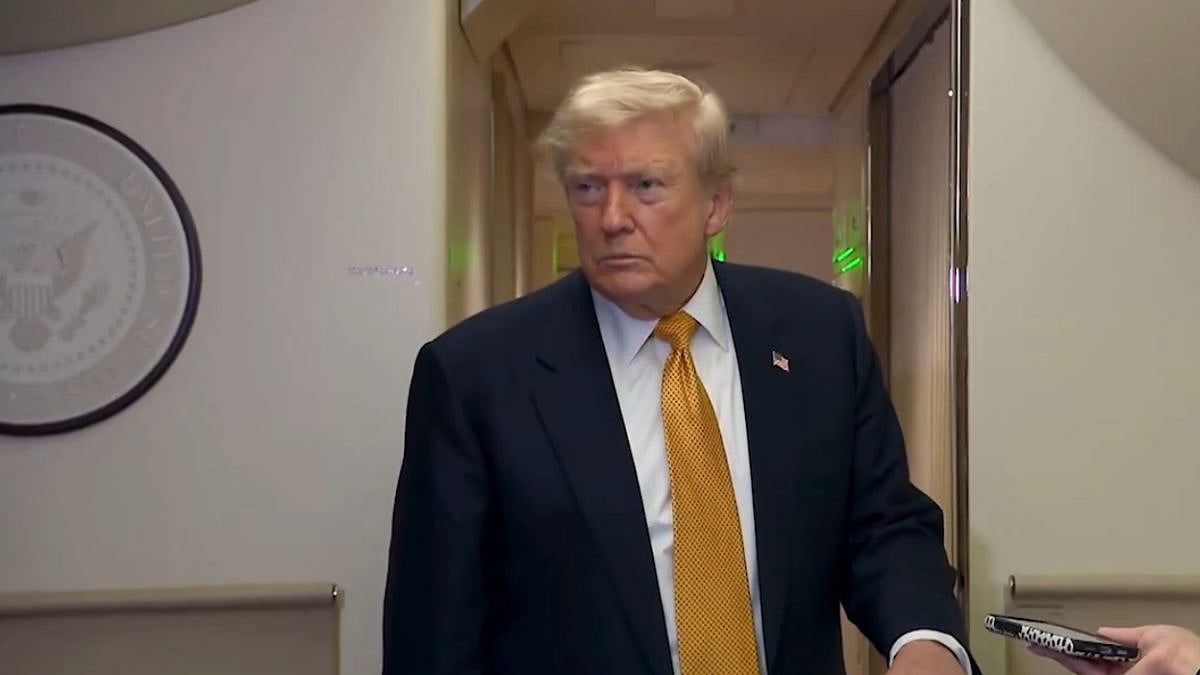
Trump said the latest back-and-forth fighting would not result in lengthy military action.
Trump also renewed his past threats to hit Iran's civilian infrastructure, including electric and desalination plants, and to seize Kharg Island, through which some 90 per cent of Iranian oil exports pass.
Parliament Speaker Mohammad Bagher Qalibaf, a key negotiator in talks seeking a permanent end to the war, was defiant in a post on X on Thursday morning: "America still hasn't learned that bullying and breaking promises are no longer cost-free. Let me put it plainly: If you strike, you'll get hit." Iranian Foreign Minister Abbas Araghchi said in a post on Telegram that he spoke by phone with his Saudi, Turkish and Omani counterparts and with Pakistan's army chief, Field Marshal Asim Munir, who has been one of the main mediators in the war. The outreach suggested efforts may be underway to reduce tensions.
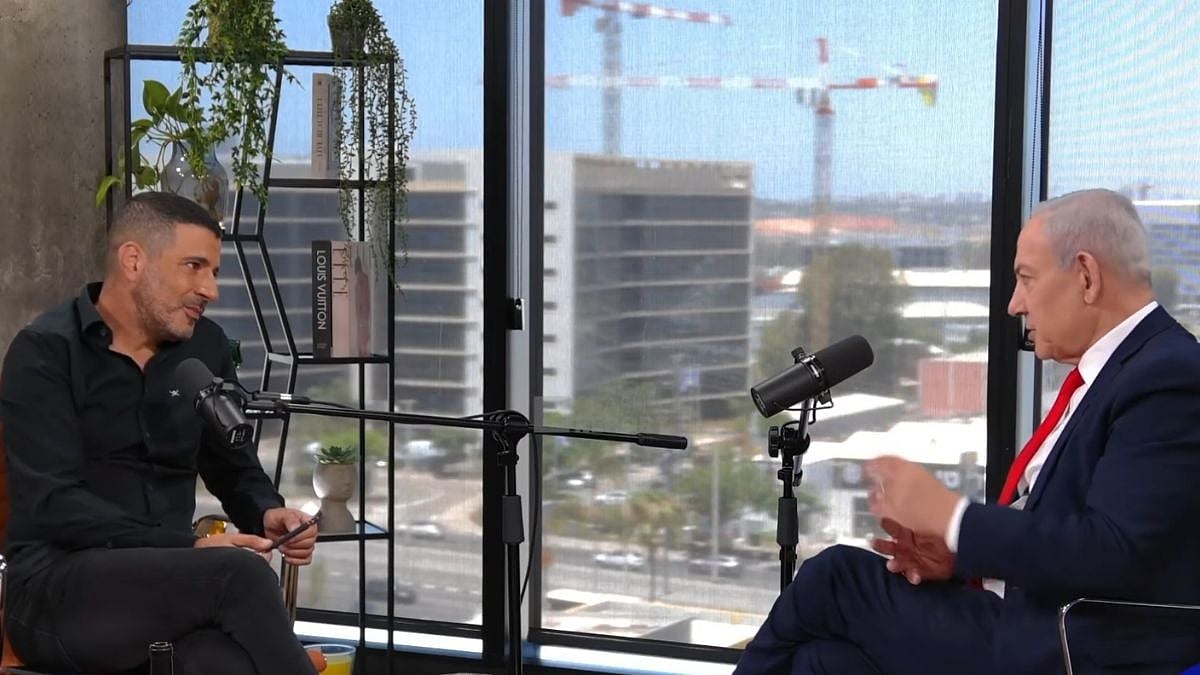
Strikes raise fears that war could resume Trump fueled concerns that the war could restart by saying Wednesday that the interim ceasefire agreement was "over." He said he would allow negotiations to continue but thought negotiators were "wasting their time." Negotiations to reach a final deal were due to start after the dayslong funeral for Khamenei, who was killed in the war's first moments.
The talks are meant to focus on the toughest matters, including fully reopening the strait and rolling back Tehran's disputed nuclear program.
(Except for the headline, this article has not been edited by FPJ's editorial team and is auto-generated from an agency feed.)

