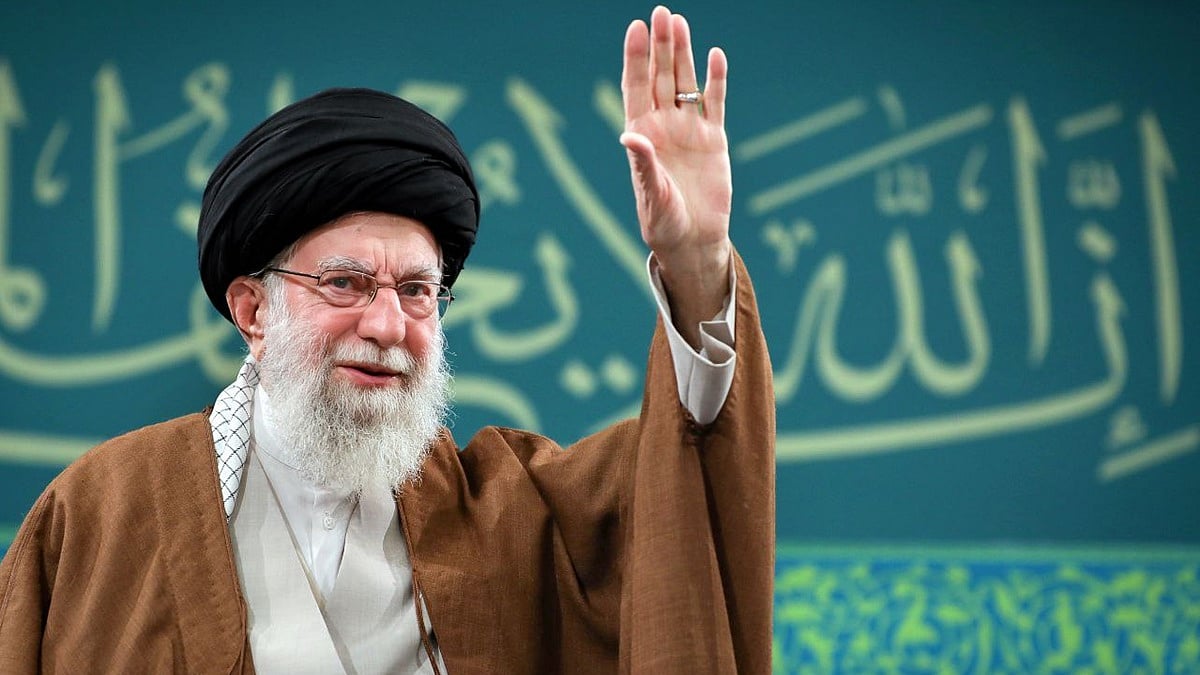
Israel spent years hacking Iran’s traffic camera network and infiltrating mobile phone systems to closely monitor the movements of Iran’s Supreme Leader Ali Khamenei and his security detail ahead of a targeted strike, the Financial Times reported.
Citing multiple current and former Israeli intelligence officials and others familiar with the operation, the report said that nearly all traffic cameras across Tehran had allegedly been compromised for years. According to two sources, live and recorded footage from these cameras was encrypted and transmitted to servers based in Tel Aviv and southern Israel, giving Israeli agencies sustained visibility into movement across the capital.
Specific Camera Angles Analysed
One specific camera angle was described as particularly critical, as it revealed where Khamenei’s bodyguards parked their personal vehicles and provided insights into daily routines inside the heavily guarded compound near Pasteur Street. Intelligence officials used this footage to help establish patterns of behavior within the secure zone, the report said.
The newspaper said Israeli intelligence deployed complex algorithms to build detailed dossiers on members of Khamenei’s protection detail. These files reportedly included home addresses, duty schedules, commuting routes and information on which senior officials each guard was assigned to protect. This approach, known within intelligence circles as building a “pattern of life,” allowed analysts to anticipate movements and vulnerabilities.
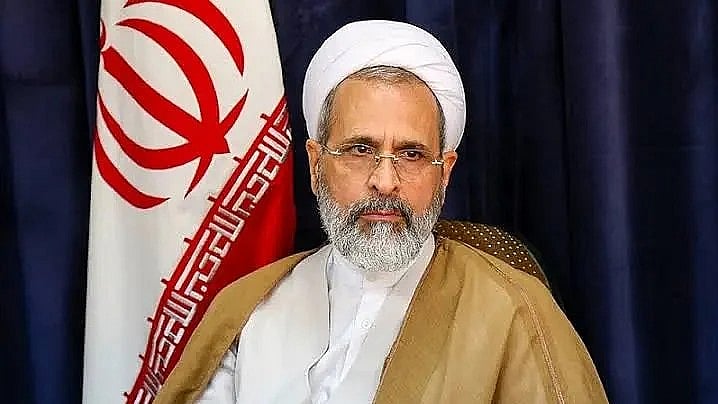
In parallel, Israel allegedly disrupted components of around a dozen mobile phone towers near Pasteur Street. According to the report, this interference caused phones to appear busy when called, preventing members of the security detail from receiving potential warnings in the lead-up to the strike.
A serving Israeli intelligence official, speaking anonymously, told the Financial Times that the scale of surveillance was so extensive that “we knew Tehran like we know Jerusalem.” The official described a dense intelligence picture assembled through signals intelligence from Unit 8200, human sources recruited by the Mossad, and analysis conducted by Israeli military intelligence.
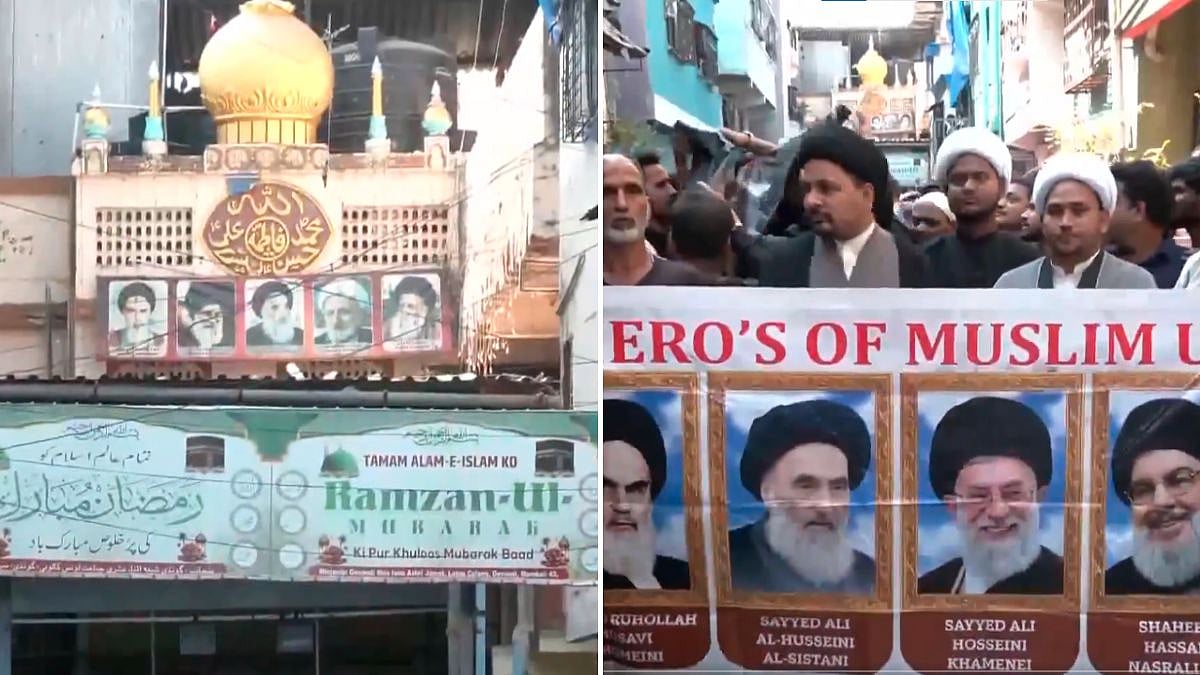
Israel also reportedly relied on a mathematical technique known as social network analysis, sifting through billions of data points to identify key decision-making centers and emerging targets within Iran’s power structure.
According to two people familiar with the matter, hacked cameras and penetrated mobile networks were used on the morning of the strike to confirm that Khamenei and senior officials were present at the compound. The sources added that the United States provided additional confirmation through a separate human intelligence source.
Following the operation, the Israeli military issued an urgent evacuation warning for residents of Tehran’s Evin district, particularly around Iran’s state broadcaster. The army said it had conducted strikes in recent days and would continue operations against what it described as regime military infrastructure, warning civilians that remaining in the area put their lives at risk.

