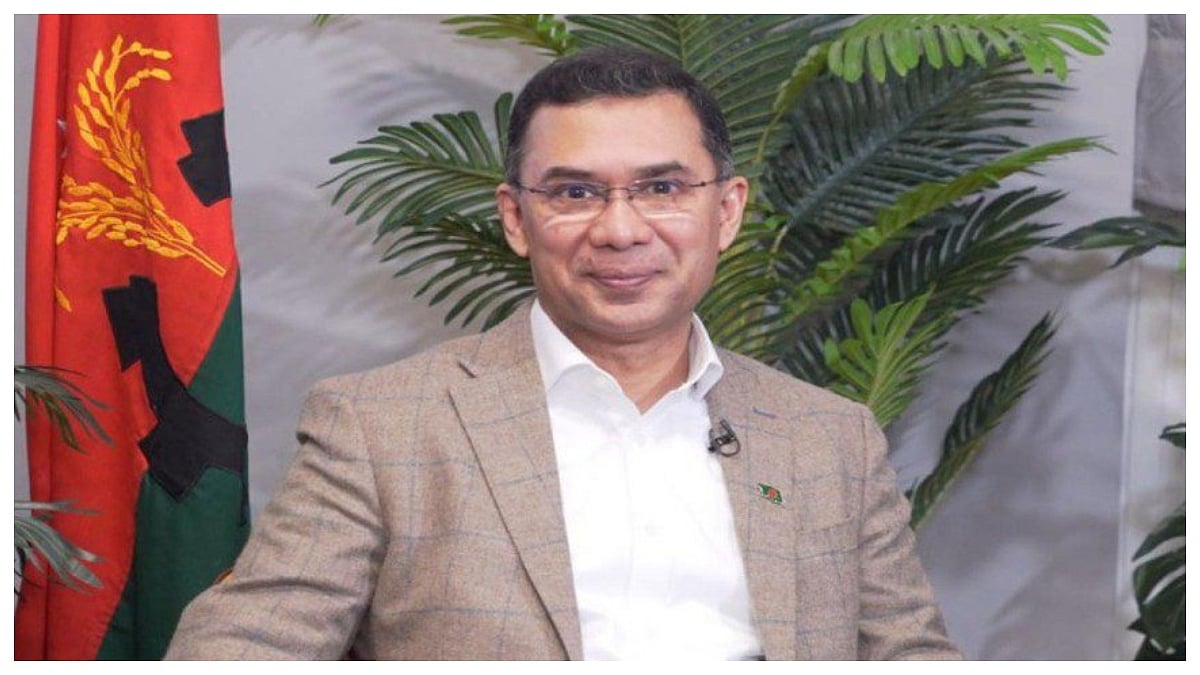
New Delhi: As Bangladesh Prime Minister Tarique Rahman readies to take oath, speculation mounts on just how he will tackle the many problems that the country faces. Among them, the sluggish economy, the law and order situation, worsening relations with India, and fraying communal harmony after a spate of communal attacks. There are clues on what direction Rahman could take Bangladesh from his public remarks.
So far much of his remarks have been focused towards winning the elections, with the key message being on democracy and human rights. Speaking virtually from London at a seminar being held in Dhaka last year, he made it clear that his focus would be on democracy and human rights. “We aim to build a Bangladesh where no individual—not even the prime minister—can abuse power with impunity. Accountability and transparency will be ensured at every level of the government, from the highest offices to the grassroots, so that we can reaffirm that no one is above the law.”
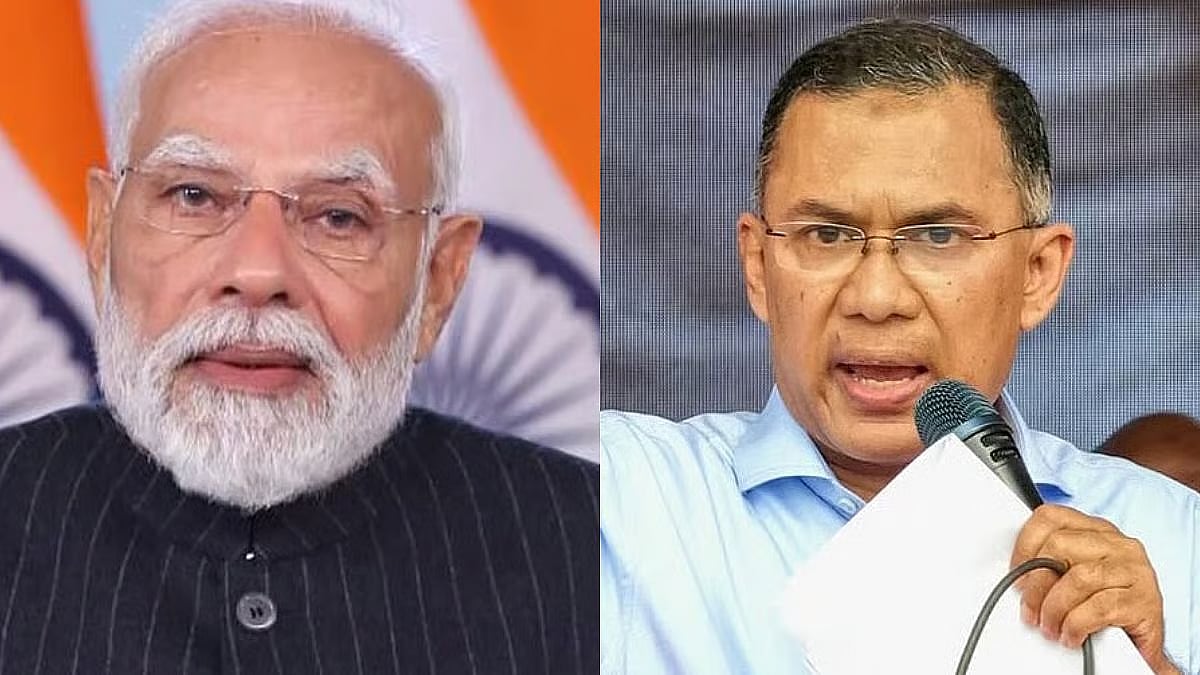
The message was seen as Rahman’s way of differentiating himself from Hasina, whose failed crackdown on student protesters caused her to flee the country. Hasina aside, Rahman also sought to calm the mood in the country, which has been gripped by communal clashes between Hindus and Muslims in the runup to polls. “In an independent Bangladesh, we do not view anyone as a so-called ‘minority.’ This ideal of ‘Bangladeshi nationalism’ underpins all our politics—where we believe that our religion, political affiliations, and ideologies are personal, but the state belongs to everyone,” he said in the same speech.
Apart from assuring voters that their rights would be safeguarded, Rahman also had to assure them about himself and his party. Though the BNP leader was almost certain to take office given the fact that the Awami League had been banned from contesting and given the fact that he was riding on a sympathy wave after the death of his mother, Begum Khaleda Zia, he had to dispel memories of the past image of the BNP, which was that of a corrupt party handing out favours to a select few when it was in power in 2001-06. Rahman addressed the issue during a campaign in Dhaka, where he said during a speech.

“When BNP formed the government with public support in 2001, both the party and the country were labelled with corruption allegations, but by the time Begum Khaleda Zia’s government handed over power in 2006, BNP had succeeded in pulling the country out of that stigma.” He added that the Anti-Corruption Commission (ACC) formed during Khaleda Zia’s tenure in 2004 had been kept fully independent, allowing it to investigate allegations against anyone without seeking permission from the government. On the economy, the BNP stated in its 2026 manifesto that it would “transform Bangladesh into a modern, democratic, upper middle-income country, where a one trillion dollar annual national GDP economy will be built by 2034.”
Rahman has elaborated on this goal by stating that more focus would be put on the IT and semiconductor industry along with more exports of processed foods. On foreign policy and especially India, the Bangladeshi leader has said little. In an interview to The Diplomat he said he wants a “Bangladesh First” policy as opposed to what was seen as the “Indianoriented” foreign policy practiced by Sheikh Hasina. “Our foreign policy will be a “Bangladesh First” policy. We will prioritize an economy-based foreign policy that safeguards Bangladesh’s interests. We believe in mutual trust, mutual respect, and mutual benefit in our foreign relations,” said Rahman in the interview.
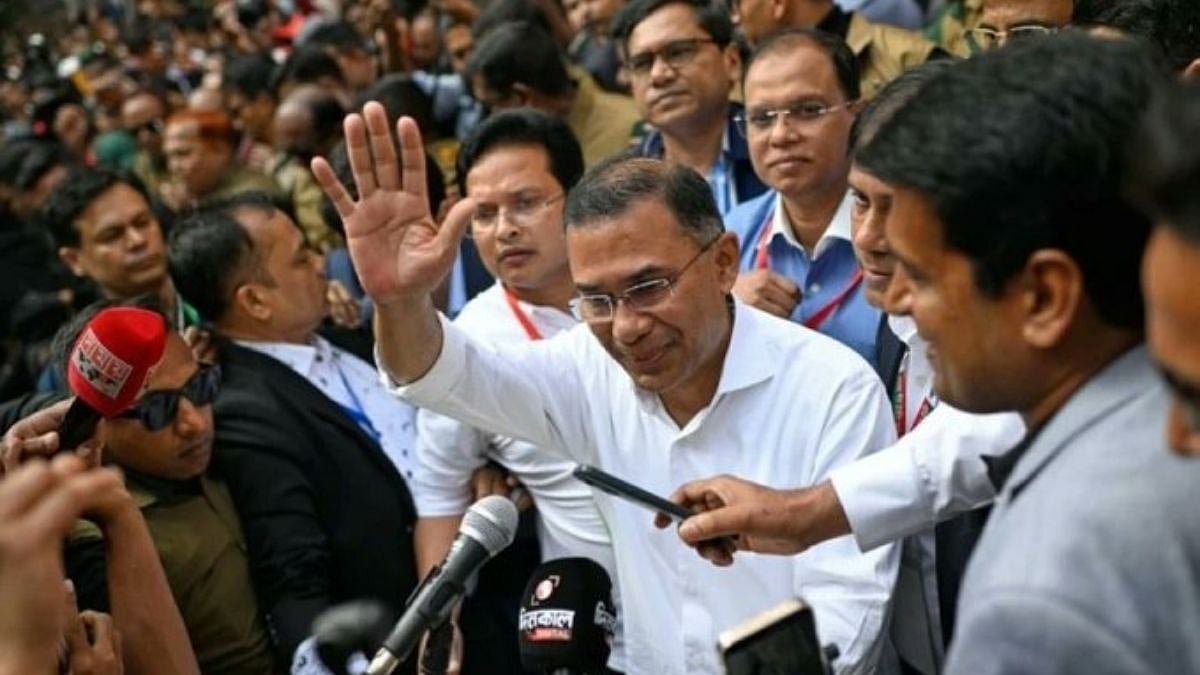
He has said Bangladesh would want a fair share of trans-boundary river waters. His party has declared that it would not tolerate interference in the country’s internal affairs. While most analysts believe that the BNP leader will not do anything to antagonise India given how intertwined the two nations’ economies are and given that India surrounds Bangladesh on all sides, it may not be a return to the old days.
Under Hasina, New Delhi and Dhaka resolved border disputes, strengthened trade and infrastructure links, and increased intelligence sharing, which helped catch insurgent group members and stopped cross-border trafficking and drugs. Analysts believe that with his “economy first” approach, Rahman may just see India as one of the partners that Bangladesh can engage in ensuring that New Delhi may have to recalibrate and renegotiate certain issues if it is to maintain the Bangladesh relationship.

