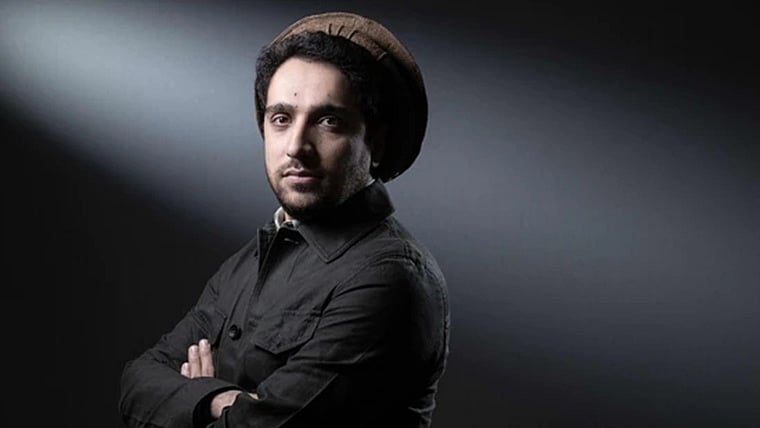
Ahmad Shah Massoud, one of the most prominent figures resisting the Taliban in Afghanistan, was assassinated on September 9, 2001, just two days before the 9/11 attacks in the United States. His killing eliminated a major opponent of the Taliban at a crucial moment and was widely believed to have been orchestrated by al Qaeda chief Osama bin Laden as a favour to the Taliban, who had provided him refuge.
According to Newsweek, Massoud was meeting two men at his base in Afghanistan’s Panjshir Valley when they carried out the attack. The men had presented themselves as Belgian television journalists and reportedly cleared security before being allowed to meet the Northern Alliance commander. Explosives had allegedly been concealed inside their video camera.
The attack came shortly before the September 11 attacks, and Massoud’s death was not publicly acknowledged by the Northern Alliance until September 15.
Massoud had spent years building resistance against the Taliban and had established a strong network of fighters in northern Afghanistan. His continued influence posed a serious obstacle to the Taliban’s efforts to establish complete control over the country. He was also regarded as a central figure among forces opposed to both the Taliban and al Qaeda.
Bin Laden was reportedly aware of Massoud’s importance and the threat he represented. His assassination also took on greater significance because al Qaeda expected the United States to retaliate following the planned attacks. With Massoud potentially positioned to play a major role in any subsequent campaign against the Taliban and al Qaeda, removing him served the interests of bin Laden and his allies.
The assassination also caused concern within the US Central Intelligence Agency (CIA). Gary Berntsen, the CIA officer who would later lead the agency’s first team into Afghanistan following the 9/11 attacks, recalled his reaction to the news, saying, "made me feel sick to my stomach ... I figured this was the end of the Northern Alliance."
CIA Director George Tenet, however, believed the agency had preserved relationships with other Afghan commanders in the north. In his later account, he wrote, "Masood's [sic] brutal murder by al-Qaeda on the eve of the 9/11 attacks might have undone our plan before it got underway if we hadn't maintained contact with other warlords in the north."
Tenet also recalled meeting Pakistan’s intelligence chief, Gen. Mahmood Ahmed, on September 9, the day Massoud was assassinated. During their conversation about al Qaeda and Taliban leader Mullah Omar, Mahmood reportedly defended Omar and suggested that the CIA consider offering money to Taliban officials in exchange for handing over bin Laden.
Recalling the encounter, Tenet later wrote, "As gracious as he could be over the lunch table, the guy was immovable when it came to the Taliban and al Qaeda."
Following the September 11 attacks, Mahmood held discussions with American officials as Washington sought Pakistan’s assistance in its newly launched campaign against terrorism. US forces were subsequently deployed covertly inside Pakistan as part of the wider effort surrounding the war in Afghanistan.

