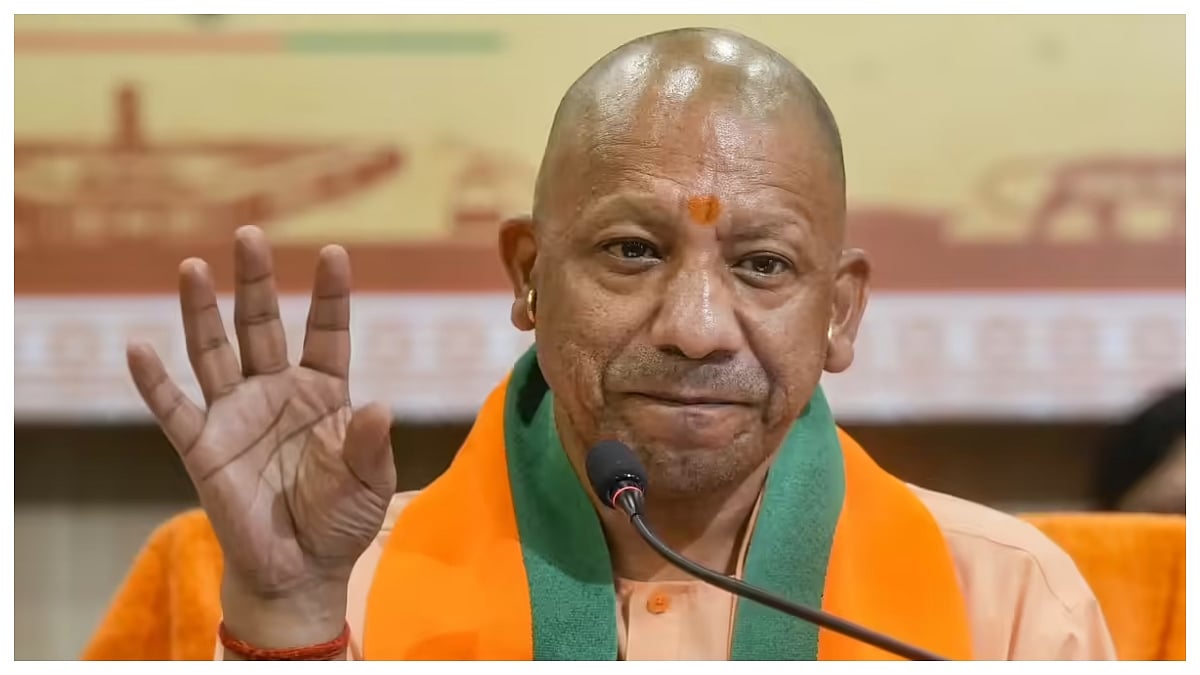
Lucknow, July 2, 2026: Chief Minister Yogi Adityanath has decided to increase the monthly maintenance grant for residents of shelter homes-cum-training centres and halfway homes for destitute persons with intellectual disabilities from Rs 2,000 to Rs 3,000 per resident. The Chief Minister said, "Residents of these institutions are entirely dependent on institutional care. It is the government's responsibility to ensure they receive nutritious food, proper healthcare, and a life of dignity."
Considering the rising cost of essential commodities over time, he said, "It has become necessary to further strengthen the arrangements for their care and maintenance."
Reviewing the Department of Empowerment of Persons with Disabilities on Thursday, the Chief Minister said, "Every initiative related to the dignity, safety, and well-being of persons with disabilities is a top priority for the government."
Focus On Welfare Measures
He directed officials to organise regular assistive device distribution camps in every district and ensure that eligible beneficiaries receive artificial limbs and assistive devices according to their needs. He also instructed that children with hearing impairments should be identified at the earliest and provided timely cochlear implant surgery, followed by proper rehabilitation.
The Chief Minister said, "The objective of the Department of Empowerment of Persons with Disabilities is to enable persons with disabilities to lead dignified, secure, and self-reliant lives." He directed officials to ensure the effective implementation of all schemes related to social, economic, medical, physical and educational rehabilitation.
He emphasised prioritising quality education in special schools, the availability of trained human resources, modern facilities and the creation of barrier-free environments in government buildings. He further directed that teachers should be deployed in special schools in a time-bound manner as required. The regular recruitment process should be expedited and, until then, effective interim arrangements should be made to ensure that the education of children with disabilities is not affected at any level.
Expansion Of Welfare Schemes
The meeting was informed that the department is implementing several welfare schemes, including the Disability Pension Scheme, Leprosy Pension Scheme, Artificial Limbs and Assistive Devices Scheme, Shadi Vivah Protsahan Puraskar Yojana, Shop Construction and Operation Scheme, Free Motorised Tricycle Scheme, Cochlear Implant Programme, Bachpan Day Care Centres, Special Schools, District Disability Rehabilitation Centres, and free bus travel facilities on buses operated by the Uttar Pradesh State Road Transport Corporation.
During the financial year 2025–26, as many as 1,223,295 persons with disabilities benefited under the Disability Pension Scheme, while 43,689 assistive devices of various types were distributed to 34,420 eligible beneficiaries. During the same period, 226 children with hearing impairments underwent cochlear implant surgery, and in the current financial year, 335 children have already been identified across 68 districts.
The meeting was also informed that while only 10 districts had Bachpan Day Care Centres until 2017, the number has now increased to 25 districts, with the establishment and operational process underway in 28 additional districts. Similarly, the number of special schools has increased from 16 in 2017 to 28 at present. These schools provide children with disabilities free education, hostel facilities, nutritious meals, health check-ups, assistive devices and other essential support services.

