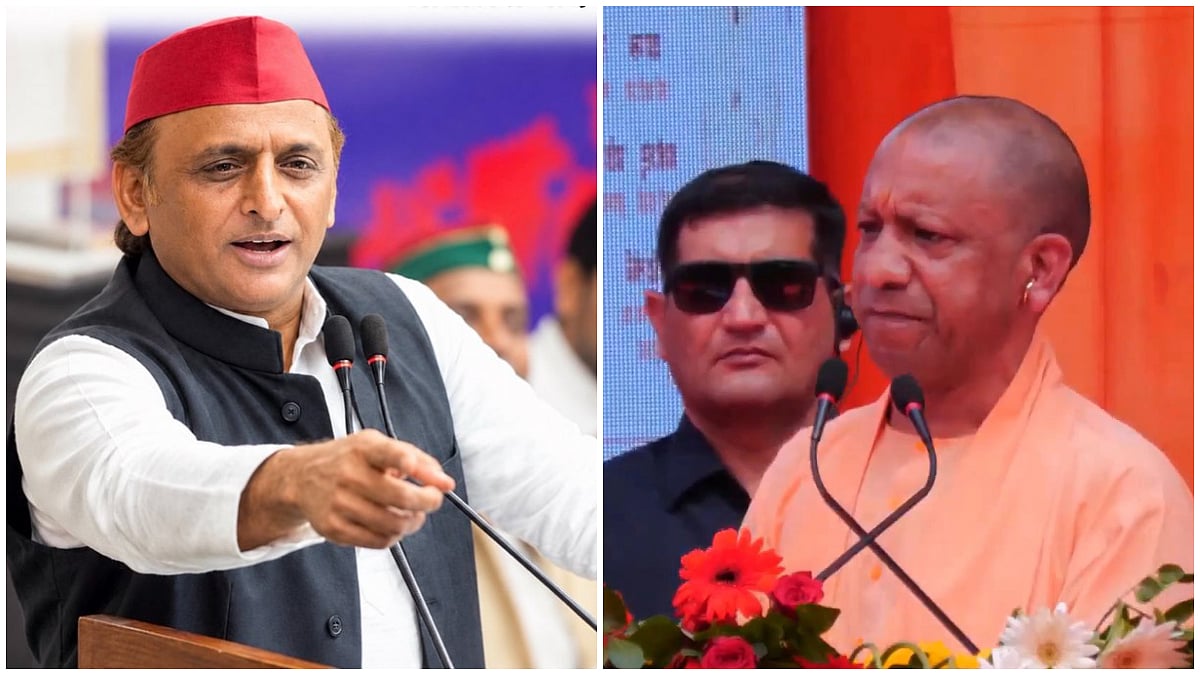
Lucknow: The Samajwadi Party has made significant gains in the Uttar Pradesh Legislative Council elections, winning five seats, two more than last time, and challenging the BJP in constituencies traditionally considered its strongholds. The results have also marked a major shift in teachers’ politics, with no candidate from the traditional teachers’ groups managing to win for the first time in nearly five decades.
The SP won the Gorakhpur-Faizabad Teachers’ constituency and the Agra Teachers’ constituency, both of which had elected independent candidates in the previous election. In the last polls, the SP had won three seats, while the BJP had secured six. The BJP has retained the same tally this time, but the opposition party’s gains have raised questions about its electoral strategy and candidate selection.
The SP made its presence felt in constituencies such as Varanasi, Agra and Prayagraj, where the BJP has traditionally enjoyed considerable influence. The results suggest that while the teaching community may not have completely rejected the BJP, it has shown a willingness to accept the SP as an alternative.
Deputy Chief Minister Keshav Prasad Maurya acknowledged the setback, saying the SP had won in constituencies where it was not expected to emerge victorious.
The BJP is expected to review the results and its strategy at the party’s state working committee meeting in Lucknow on October 30.
Candidate Selection Comes Under Scrutiny
The Agra Teachers’ constituency offers a clear example of how candidate selection may have influenced the outcome. SP candidate Akash Agrawal had earlier approached the BJP for a ticket. However, a section of the BJP organisation favoured Harikishore Tiwari, prompting Agrawal to join the SP. He subsequently defeated Tiwari in the election.
In Varanasi, the BJP’s candidate choices also came under scrutiny. The party fielded Kedar Nath Singh from the Varanasi Graduates’ constituency, despite his defeat to SP candidate Ashutosh Sinha in the 2020 election. In the Varanasi Teachers’ constituency, the BJP nominated Pramod Mishra against veteran teachers’ leader Lal Bihari Yadav of the SP.
The SP established a substantial lead in both constituencies, exposing weaknesses in the BJP’s candidate selection and campaign strategy.
BJP Faces Resistance Over Candidate Choices
The party also faced resistance in the Lucknow Graduates’ constituency, where Avanish Singh Patel had been declared its candidate around eight months before the election. Despite opposition to his candidature, the organisation did not replace him.
The selection of Ashok Rathore for the Jhansi-Allahabad Graduates’ constituency also proved challenging for the BJP. Party leaders reportedly anticipated a difficult contest in Lucknow and Jhansi-Allahabad even before the counting began. However, the leadership appears to have underestimated the SP’s prospects in the Agra Teachers’ and Varanasi Teachers’ and Graduates’ constituencies.
Traditional Teachers’ Groups Lose Their Foothold
The most striking development has been the defeat of candidates belonging to traditional teachers’ groups, which had maintained a strong presence in the Legislative Council for nearly five decades.
The results indicate a shift in teachers’ political preferences, with voters increasingly appearing to favour candidates they believe can secure concessions from the government, whether from the ruling party or the opposition.
Teachers’ Representation In Council Declines
The weakening of the teachers’ groups has also been reflected in their dwindling representation in the Council. Teachers’ MLC Dhruv Kumar Tripathi has joined the BJP, leaving Raj Bahadur Singh Chandel, elected from the Kanpur Teachers’ constituency, as the sole remaining member associated with the teachers’ political bloc.
For decades, teachers’ MLCs had been regarded as an important voice for the teaching community in Uttar Pradesh. Their electoral rout now raises questions about the future of teachers’ politics and the ability of traditional organisations to retain their influence.
Also Watch:
SP Gains Momentum Ahead Of 2027
For the BJP, the results may not have reduced its overall tally, but the SP’s gains in key constituencies have exposed organisational weaknesses. For the SP, the outcome offers an opportunity to build momentum ahead of the 2027 Assembly elections.

