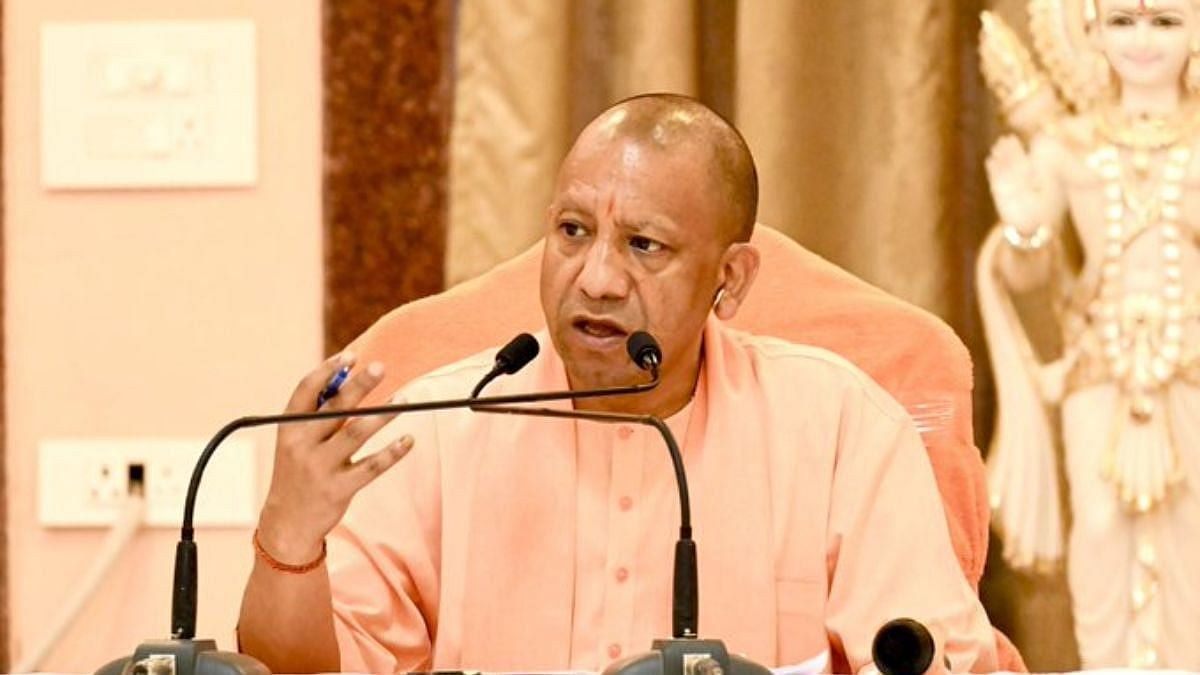
Lucknow: Under the leadership of Chief Minister Yogi Adityanath, the Mission Shakti campaign being run in Uttar Pradesh to ensure women’s safety, dignity, and self-reliance has taken the form of a statewide mass movement.
As part of this initiative, awareness is being created across all 75 districts regarding the provisions of the Sexual Harassment of Women at Workplace (Prevention, Prohibition and Redressal) Act, 2013 (POSH Act), informing both participants and the general public.
The awareness drive includes participation from officials and employees of government and private offices, members of women’s self-help groups, college students, advocates, labor organizations, and representatives of local communities.
This campaign, part of CM Yogi Adityanath’s women empowerment initiative, focuses on the POSH Act, 2013, and the financial and legal rights of working women, adding a new dimension to women’s safety, dignity and self-reliance.
The campaign aims to ensure the safety, dignity and self-reliance of women and girls. Detailed discussions are being held on the provisions of the POSH Act, which defines sexual harassment at the workplace as any physical, verbal, or non-verbal conduct that violates a woman’s dignity. Organizations with more than ten employees are required to form an Internal Complaints Committee, while at the district level, a Local Committee hears complaints. The time limit for filing a complaint is three months, extendable if necessary. Investigations must be completed within 90 days and a report submitted.
The Act safeguards the confidentiality of the woman, and in case of proven guilt, the employer has the authority to take disciplinary action or impose penalties. It is the employer’s responsibility to ensure a safe workplace, conduct awareness programs, and implement the committee’s recommendations.
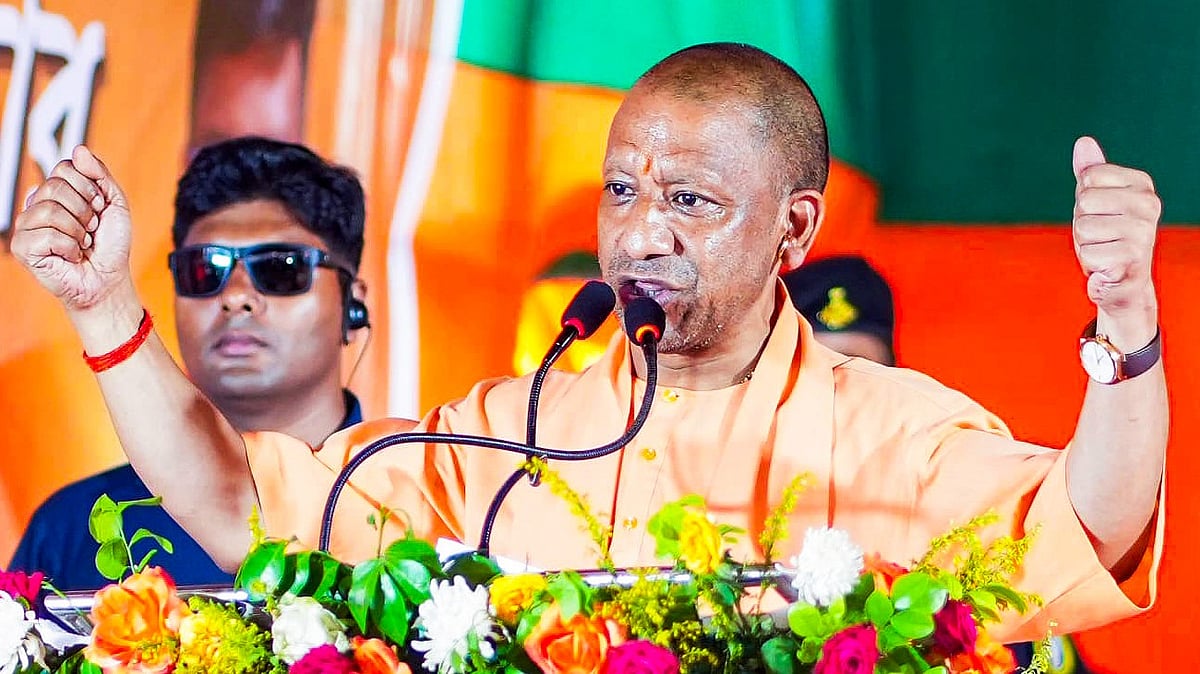
In addition to the POSH Act, the campaign also emphasizes the financial and legal rights of working women. Special sessions are being organized on topics such as maternity leave benefits, the right to equal pay for equal work, workplace health and safety provisions, special protections under labor laws, financial literacy, and access to banking and insurance schemes.
Experts noted in their addresses that economic empowerment is the true foundation of women’s safety
