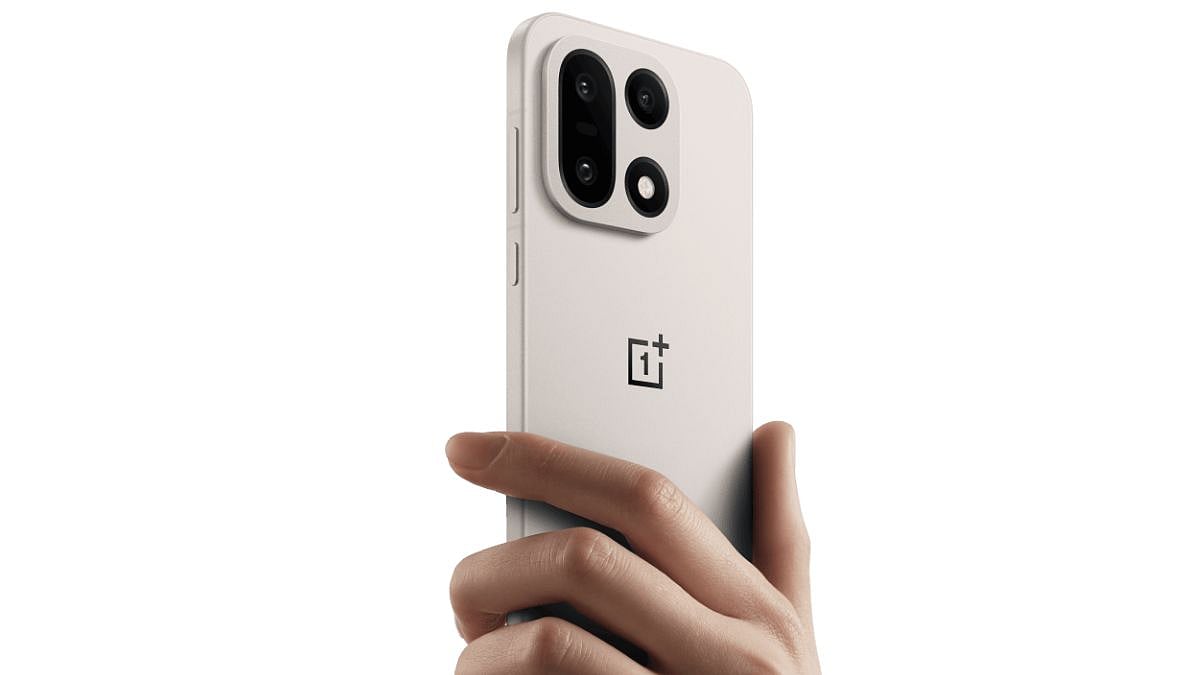
OnePlus has been quietly shutting down operations across several international markets, with its European storefronts now steering customers toward sister brand Oppo and stock drying up in the UK and the US. The company continues to operate in India, its largest market outside China, but recent developments have unsettled buyers here too. Reports of OxygenOS being discontinued in favour of Oppo's ColorOS, combined with the shutting down of OnePlus offline retail stores in India, have compounded concerns around after-sales service, software updates and the brand's long-term reliability in the country.
The latest development takes this further. Analyst Mark Gurman has reported that OnePlus plans to exit every market outside China by 2027, a list that reportedly includes India. OnePlus, however, has pushed back on this claim, stating that it has no plans to withdraw from the Indian market, which remains one of its largest globally.
Here is a proper breakdown on why the offline stores shut, what happens to updates on OnePlus phones in the future, and whether the brand is worth buying into today.
Why did OnePlus shut its offline stores in India?
According to a popular tech YouTuber Madan Gaikwad, four factors drove the decision. The first and biggest, he said, is that consumers have largely stopped buying OnePlus phones offline, with the brand's offline market share reportedly falling from around 7.2 percent in 2023 to about 1.8 percent today. The second is that offline retailers were working with thin profit margins on OnePlus units compared to online sales, an issue he said has been widely discussed within retail circles, compounded by limited offline unit availability and recurring warranty disputes at service counters. Third, he said OnePlus wants to return to a direct to consumer model and cut offline operating costs, a move also linked to rising component costs driven by the global memory and RAM shortage.
What happens to OxygenOS
On the software front, there is largely no need for alarm, drawing a parallel to what happened between 2021 and 2022, when OnePlus's original OxygenOS was replaced by a version built on Oppo's Universal ColorOS Framework, with feature names differing but functionality remaining largely the same. He said new OnePlus phones are expected to launch with ColorOS branding in India going forward, a shift already in place for OnePlus phones sold in China.
Media reports have confirmed that Oppo is discontinuing OxygenOS and Realme UI globally in favour of a single ColorOS platform across Oppo, OnePlus and Realme devices, as part of a wider restructuring that narrows OnePlus's global focus to India and China, at least for now. Neither OnePlus nor Oppo has officially confirmed the move. The YouTuber added that once OnePlus and Oppo software teams operate as one, update rollouts should become faster rather than slower.
What happens to service centres and warranty claims
On after-sales support, OnePlus phones are manufactured by Oppo, and OnePlus's service network is merging with Oppo's as well. This is a net positive for users, pointing out that OnePlus previously had a limited number of independent service centres, whereas the merger gives users access to more than 600 Oppo service centres. An Oppo service centre manager, interviewed separately by another tech YouTuber, confirmed that services related to software, display issues and OnePlus's lifetime display warranty would continue to be honoured at Oppo centres, and that Oppo is also expanding its service centre footprint and adding staff to handle the additional OnePlus workload.
What the new report claims about a 2027 India exit
According to Gurman's report, OnePlus will wind down its US and European operations first, as early as this week, while continuing to operate in China. The report adds that the company plans to extend this shutdown to the rest of the world, including India, at some point in 2027.
This is not the first time such speculation has surfaced around OnePlus India. The company denied shutdown rumours twice earlier in 2026, in January and March, with then India CEO Robin Liu calling the claims false at the time. Liu subsequently resigned in late March, reportedly after the India business was restructured to report into Realme's India leadership. Since then, OnePlus has moved to an online first retail model in India and folded its warranty and service support into Oppo's expanded service centre network, developments that have added weight to the latest exit speculation even though no official confirmation has followed.
Responding to the fresh round of reports, OnePlus India has maintained that the country remains one of its biggest markets and that there are no plans to withdraw from it. The company has continued its regular launch cadence in India through this period, including the recently launched OnePlus N6.
The broader restructuring behind the reported exit is tied to Oppo's parent company undertaking a company wide overhaul of its mobile business, driven in part by a sharp rise in memory chip prices that has squeezed margins on affordably priced devices, a segment central to OnePlus's Nord lineup in India.
So should you buy a OnePlus phone right now?
OnePlus remains a premium, trusted brand in India even as it scales back globally and faces fresh questions over its long-term India timeline. Software updates will continue uninterrupted regardless of whether the OS is branded OxygenOS or ColorOS, and the merged service network is expected to maintain the same warranty and support standards users expect, at least for the foreseeable future.
The broader restructuring at OnePlus is real and well documented, with the company's European retreat, leadership exits and shrinking global product lineup pointing to a company consolidating around its strongest markets. Whether India ultimately falls outside that circle by 2027, as Gurman's report suggests, remains unconfirmed and contested by the company itself. For Indian buyers specifically, the more immediate concerns, software continuity and service access, appear to be addressed through the Oppo merger, while the longer term question of whether OnePlus stays in India at all is one that will likely take months, if not longer, to resolve with any certainty.

