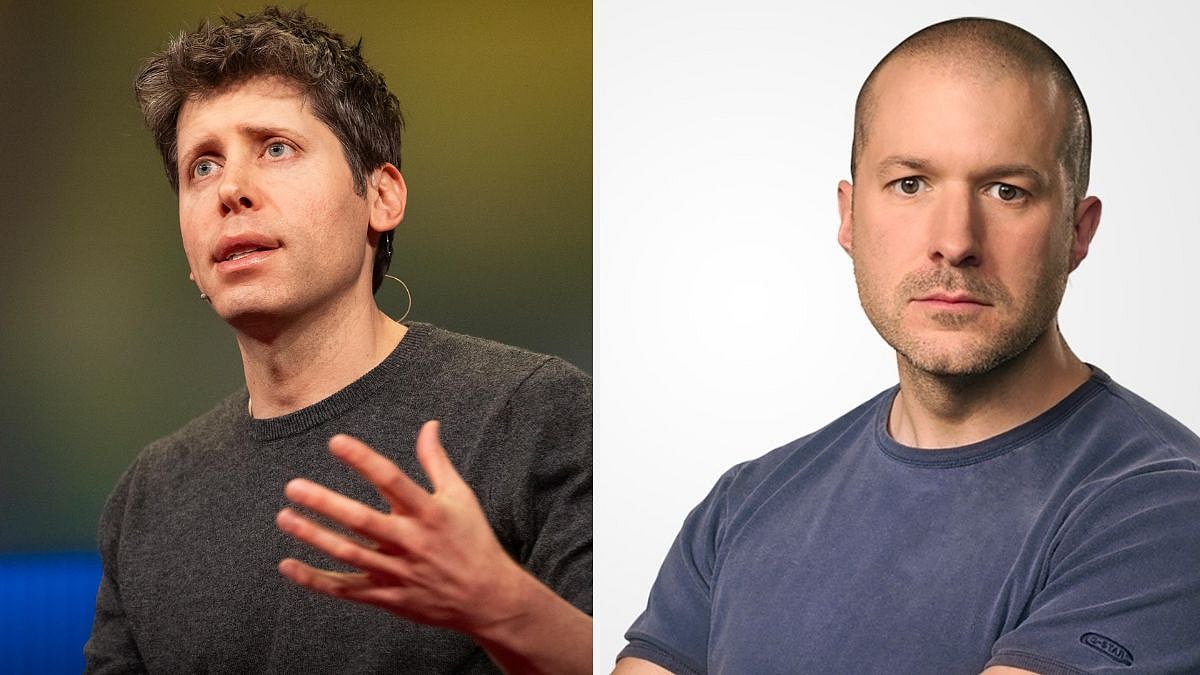
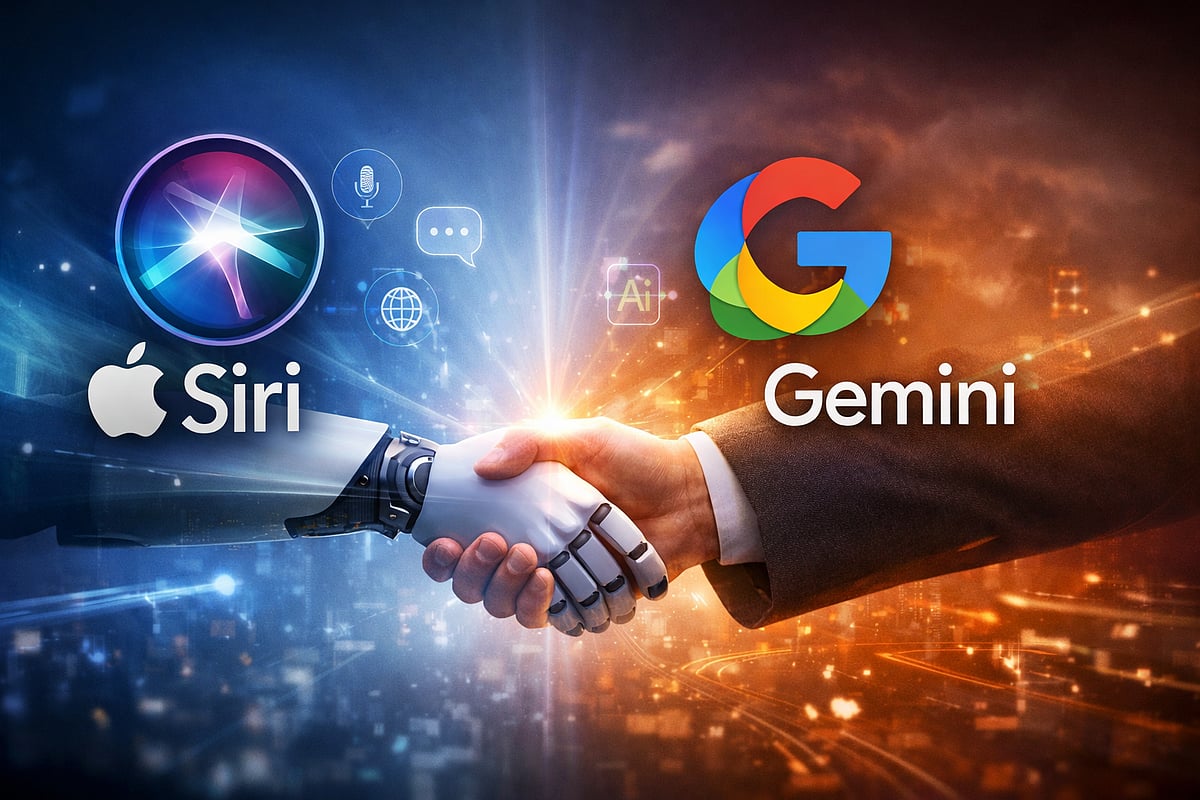
As opposed to popular belief, OpenAI reportedly turned down the opportunity to deepen its collaboration with Apple, choosing instead to concentrate on creating its own range of AI-powered devices. Apple was keen on collaborating with OpenAI to build Siri, but CEO Sam Altman chose to rather team up with renowned designer Jony Ive to bring innovative wearable hardware to market. OpenAI's lacklustre response forced Apple to then pivot to Gemini for powering Siri and its Foundation models.
According to Financial Times sources, Apple approached OpenAI to serve as the custom model provider for enhancing features such as Siri within its Apple Intelligence suite. However, OpenAI declined the offer, prioritising its internal projects over committing resources to Apple's ecosystem. This move aligns with a directive from OpenAI's chief executive, Sam Altman, to streamline efforts around core products like ChatGPT and curtail peripheral initiatives.
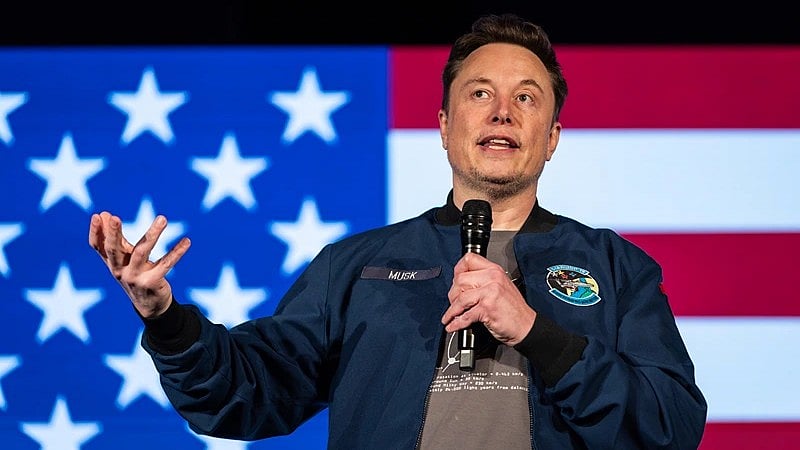
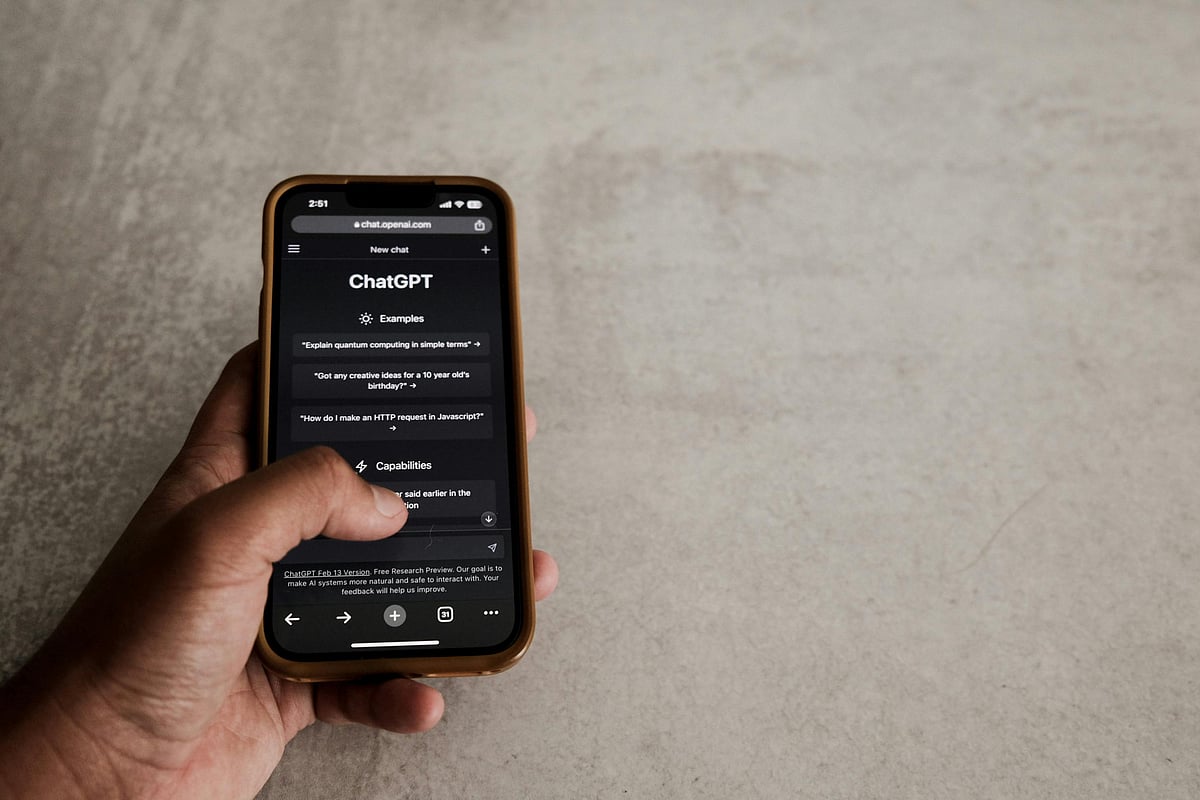
The existing integration between OpenAI's ChatGPT and Apple's systems remains unaffected, allowing iPhone users to access ChatGPT-powered features. Nonetheless, OpenAI's refusal signals a strategic shift towards independence in the competitive AI landscape.
It was OpenAI who snubbed Apple's deal
Contrary to circulating rumours that Apple overlooked or snubbed OpenAI in favour of other partners like Google, the reality, according to FT's sources, is that OpenAI made a deliberate choice to step back from the custom provider role last autumn. This clarification dispels the notion of any unilateral dismissal by Apple, highlighting instead OpenAI's proactive decision to pursue its own ambitions.
Apple has since forged a multibillion-pound deal with Google to utilise its Gemini models for iPhone AI enhancements, a partnership that does not impinge on the ongoing ChatGPT collaboration.
What is OpenAI planning to launch in the future?
OpenAI is now channelling its energies into developing a suite of AI-driven hardware products, potentially including an AI pen, a wearable device, and an audio gadget. Reports suggest up to three devices are in the pipeline, with launches anticipated within the next two years. These products aim to redefine user interactions with technology in an AI-dominated era, possibly challenging established offerings like Apple's AirPods.
This hardware push represents OpenAI's bid to compete directly with tech giants, including creating devices that could rival the iPhone in functionality and innovation. The focus on proprietary hardware underscores OpenAI's desire to expand beyond software and establish a foothold in consumer electronics.
Why OpenAI enlisted Jony Ive
To bolster its hardware endeavours, OpenAI recruited Jony Ive, the former Apple design chief celebrated for his work on iconic products such as the iPhone, iMac, and Apple Watch. Ive was brought on board in May of last year to lead the design of these new AI devices, including a potential audio product.
Ive's involvement is seen as pivotal, given his track record in crafting user-centric designs that blend aesthetics with cutting-edge technology. His collaboration with OpenAI is expected to infuse the projects with a similar ethos, aiming to 'rethink' how people engage with AI through physical interfaces. This hiring decision reportedly influenced the dynamics between OpenAI and Apple, contributing to the latter's pivot towards Google.

