
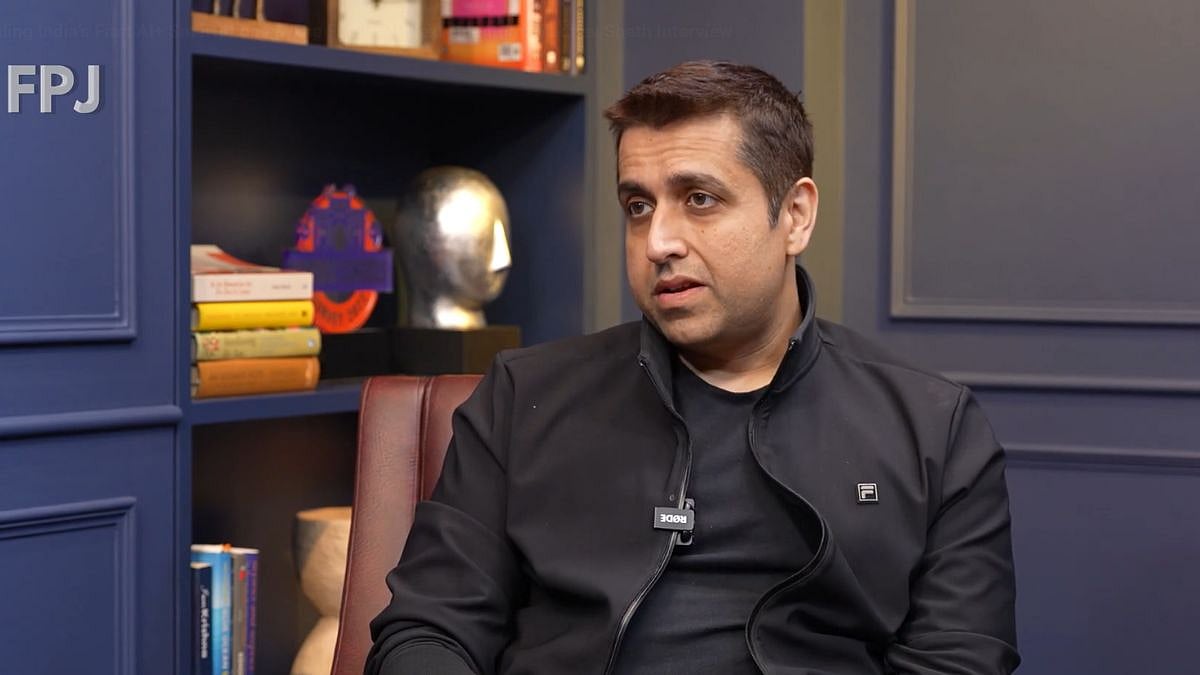
AInfinix India, the budget smartphone brand under Transsion Holdings, is reportedly navigating what may be its most difficult chapter since entering the Indian market. According to an exclusive report by Digit India, Anish Kapoor, who led Infinix India's operations, is on his way out of the company, possibly having resigned, and likely no longer part of the organisation at the time of writing.
While the split has not been publicly acknowledged, sources describe the fallout after a period of sustained disagreement between India leadership and the brand's Chinese counterparts at parent company Transsion Holdings. Kapoor's vision for Infinix's India strategy reportedly diverged sharply from what Chinese leadership wanted, with tensions rooted in sales strategy and market positioning.
The leadership upheaval is compounding an already difficult market situation. According to the publication's findings, Infinix's shipment volumes dropped sharply, from 2.9 million units across all of 2025 to just 500,000 units between January and April 2026. Its India market share, which held relatively stable between 1.82 percent and 1.89 percent from April to August 2025, dipped to 1.38 percent in September, briefly recovered to 1.93 percent in December, and has since slid steadily to 1.63 percent by May 2026, a 14-month low.
The product pipeline has also noticeably thinned. Infinix launched considerably fewer smartphones, only the Note Edge and Note 60 Pro, between January and May 2026, compared to the same period in 2025, a notable deceleration for a brand that once treated relentless product launches as a central pillar of its growth strategy.
Analyst Yogesh Brar, speaking to Digit, offered a pointed assessment. "A slower launch cadence is rarely a coincidence; it typically signals portfolio rationalisation, cash-flow constraints, or a strategic pause. Here, it's a combination of all three, compounded by rising costs for key components like DRAM and NAND, which disproportionately impact vendors with smaller scale and high low-end shares."
The decline is part of a broader Transsion story. Tecno, itel, and Infinix together posted a combined 20 percent year-on-year shipment decline in India. Globally, a TechInsights report from June 2025 noted Transsion had fallen to fifth position in the global smartphone market in Q1 2025, with combined shipments down 22 percent year-on-year, starkly underperforming a market that grew just 0.5 percent in the same period.
The latest forecast from Counterpoint, published in June 2026, identifies Transsion as among the most exposed OEMs given its heavy concentration in the sub-$150 segment, projecting a 32 percent decline for the group in 2026.
Digit reached out to Infinix India with a detailed questionnaire covering leadership changes, strategic direction and product launch plans for 2026. The company had not responded at the time of publication.
India's smartphone sector under the microscope
The Infinix situation is not an isolated one. India's smartphone industry is increasingly under scrutiny, and not for the right reasons.
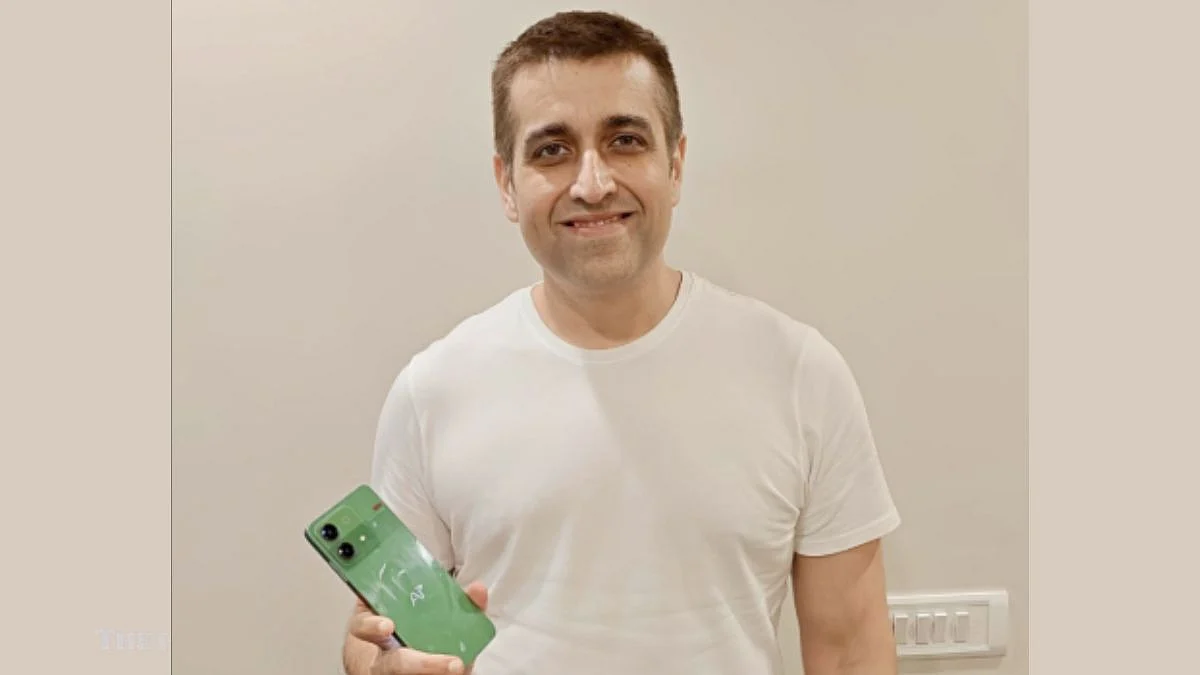
Homegrown brand Ai+, founded by former Realme India CEO Madhav Sheth and positioning itself as a privacy-first, 'Made in India' champion, has found itself at the centre of a firestorm this week. An investigation by popular tech YouTuber Mrwhosetheboss raised serious questions about the company's core claims on data security, manufacturing origins and transparency. Devices were found to carry pre-installed apps linked to China-based Sprocomm Technologies, with an Android researcher confirming the apps were built in China with rebranded package names, directly contradicting the brand's claims of keeping data securely in India.

