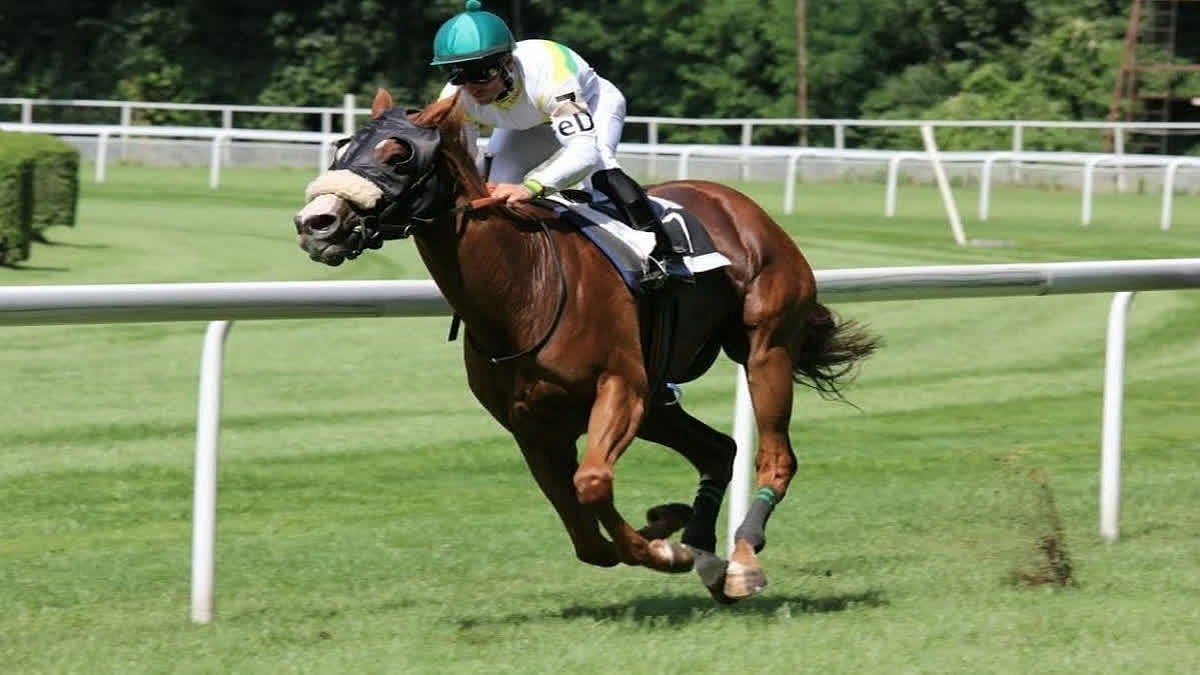
The Indian 1000 Guineas (Grade 1) sets the stage for yet another milestone in the world of thoroughbred racing. This prestigious event shines a spotlight on some of the finest young fillies—horses that not only bring glory and handsome rewards to their owners but also help keep the rich tradition of horse racing alive and thriving in the country.
Run over a classic distance of eight furlongs, the Indian 1000 Guineas is reserved exclusively for female horses that are still too young to be called mares. Although fillies reach sexual maturity by the age of two and can technically be bred at that age, it is generally recommended that they are not bred until they have fully developed, usually around four or five years old. This ensures they grow into strong, healthy athletes before contributing to the next generation.

This year, ace trainer Pesi Shroff has a strong hand with four contenders from his yard, while M. K. Jadhav fields two promising runners. In total, 13 fillies are currently in the fray (handicap), though this number will narrow once the final declarations are made. The announcement is scheduled for December 14, the fourth day of the Mumbai racing season, which promises an exciting Sunday card featuring seven competitive races.
Fillies bring a unique charm to the sport. They often compete in specially designed divisions as well as mixed fields, showcasing not just their speed but also their maturity, stamina, and racing temperament. Many of these young champions go on to lead influential careers as broodmares, carrying forward their pedigree, spirit, and athletic ability to future generations of thoroughbreds.

With talent, tradition, and high stakes coming together, the Indian 1000 Guineas is set to deliver a thrilling chapter in India’s racing story, one that fans and enthusiasts alike will not want to miss.

