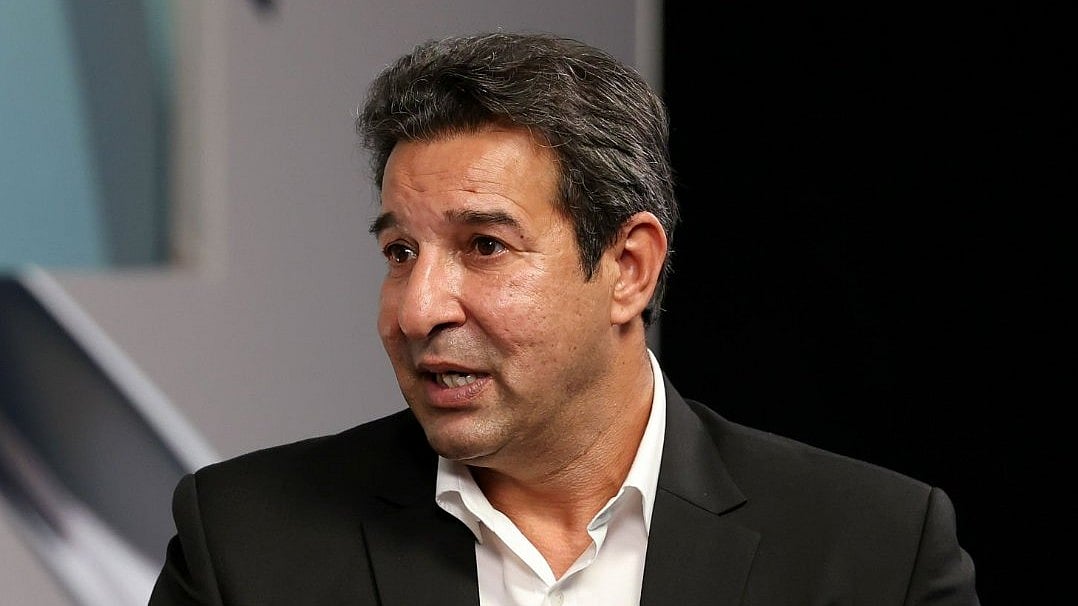
When PSL held its 2026 roadshow at Lord's Cricket Ground in London, Wasim Akram stole the spotlight, not for a speech on cricketing skills, but for a witty zinger aimed at IPL. He described PSL as “short, fast and exciting,” praising its upcoming 34‑day schedule. Then came the line that spread quickly: “Bacchey bade ho jaate hain, league khatam nahi hoti” (Kids grow up by the time those leagues end, they just never seem to finish.)
His comment was laced with humour but cut deeper than a typical jibe, indirectly critiquing the IPL’s length and its “marathon” T20‑league format. His remark reopened a conversation many cricket fans have: is a shorter, sharper league better for players, for fans, and for the sport’s freshness?

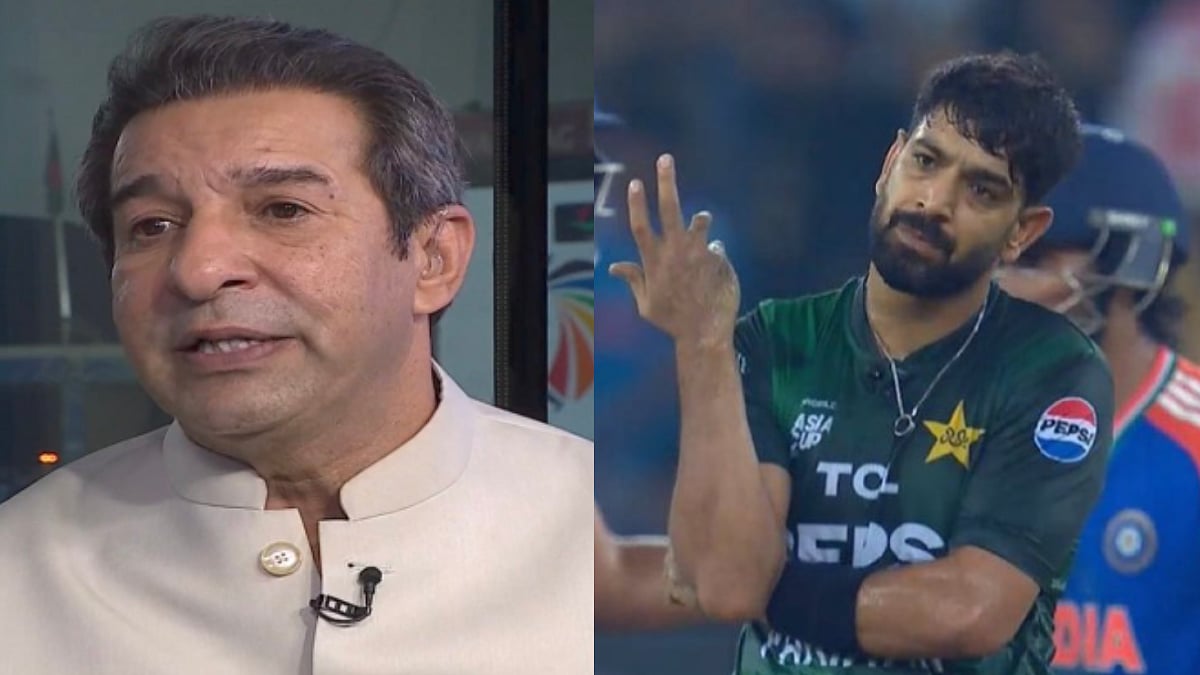
Despite the jab, Akram was careful to walk back any major insult. He still ranked IPL as “the world’s number one league,” and placed PSL second, positioning his comment more as playful banter than aggressive criticism.
The incident reflects a bigger truth about modern franchise cricket: format and duration matter. While leagues like PSL argue that a shorter, intense schedule benefits players and keeps fans engaged, longer leagues like IPL emphasise grandeur, star power, and commercial scale. Akram’s jibe may have been humorous, but it triggered a fresh debate on what kind of cricket fans want and how the calendar of global T20 leagues should evolve.
In that sense, Wasim Akram’s off-the-cuff comment did more than draw laughs. It cracked open an important conversation about balance, quality, and the evolving future of franchise cricket.
Nostalgia! A Throwback Moment From 1999 Goes Viral When A Sheikh Kissed Wasim Akram After Pakistan's Victory Over India In Coca-Cola Cup Final; Video
In the annals of cricket history, few venues have hosted as many emotionally charged India-Pakistan encounters as the Sharjah Cricket Stadium. But among the many high-octane clashes, the Coca-Cola Cup final in April 1999 stands out, not just for Pakistan’s dominant victory over arch-rivals India, but for a rare, unscripted moment that followed: a Sheikh planting a celebratory kiss on Wasim Akram's cheek.
The final was a one-sided affair. India, batting first, crumbled under relentless pressure from Pakistan’s seamers. The pitch offered some assistance, but the real damage came from the brilliance of Wasim Akram. The then Pakistan captain led from the front, bowling an immaculate spell of 8 overs for just 11 runs and picking up three crucial wickets. His swing, control, and leadership left India reeling. They were bundled out for a paltry 125 in 45 overs, a total well below par even by 1990s ODI standards.
Pakistan’s chase was clinical. With confidence and composure, their top order made short work of the target, cruising to 129 for 2 in just 28 overs. The match-winning runs were met with elation in the Pakistan camp. But it was what happened moments after the win that captured hearts and headlines.
As celebrations unfolded in the Pakistan dugout, a Sheikh, overcome with joy and admiration, leaned in and kissed Wasim Akram on the cheek. The gesture was spontaneous, heartfelt, and a powerful symbol of how deeply cricket was interwoven with emotion, pride, and national identity, especially when it came to India-Pakistan matches.
Wasim Akram: A pioneer for Pakistan Cricket
Wasim Akram, already a revered figure in world cricket, had added another memorable chapter to his legendary career. He was rightly adjudged the Player of the Match, not just for his bowling figures, but for the way he marshaled his team in a high-stakes encounter.
That moment in Sharjah, both the victory and the Sheikh’s kiss, has since lived on in cricketing folklore. It symbolized more than just a win; it was a testament to Akram’s greatness and the unifying power of cricket in the Gulf, where fans from the subcontinent often found solace and celebration in the game.
It remains one of those vivid snapshots from a golden era of ODI cricket, a reminder of how sport can transcend rivalry and turn into unforgettable theatre.

