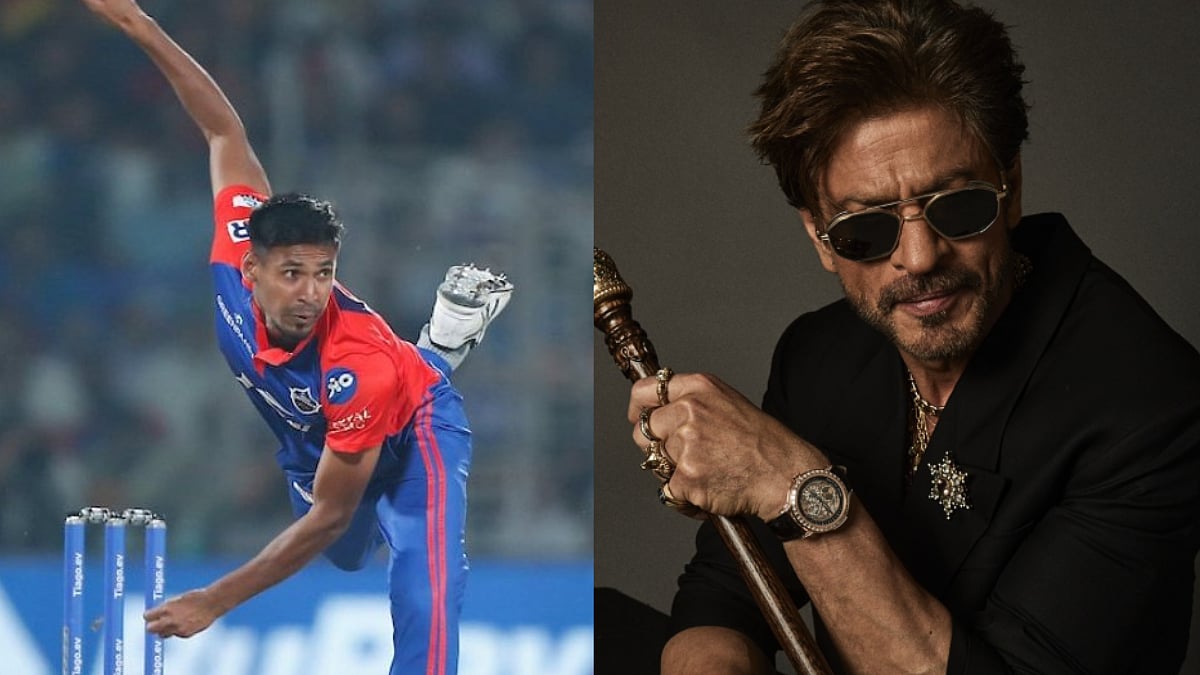
The Board of Control for Cricket in India (BCCI) has maintained a cautious stance regarding the participation of Bangladesh players in the Indian Premier League (IPL), with sources confirming that no directives have been received from the government on the matter.
The issue gained attention following the signing of Bangladesh pacer Mustafizur Rahman at last month’s IPL mini-auction. Kolkata Knight Riders (KKR) secured Rahman for Rs 9.20 crore, making him the most expensive Bangladeshi player in IPL history. The move sparked debate after reports of violent incidents against religious minorities in Bangladesh, prompting questions about his participation in IPL 2026.

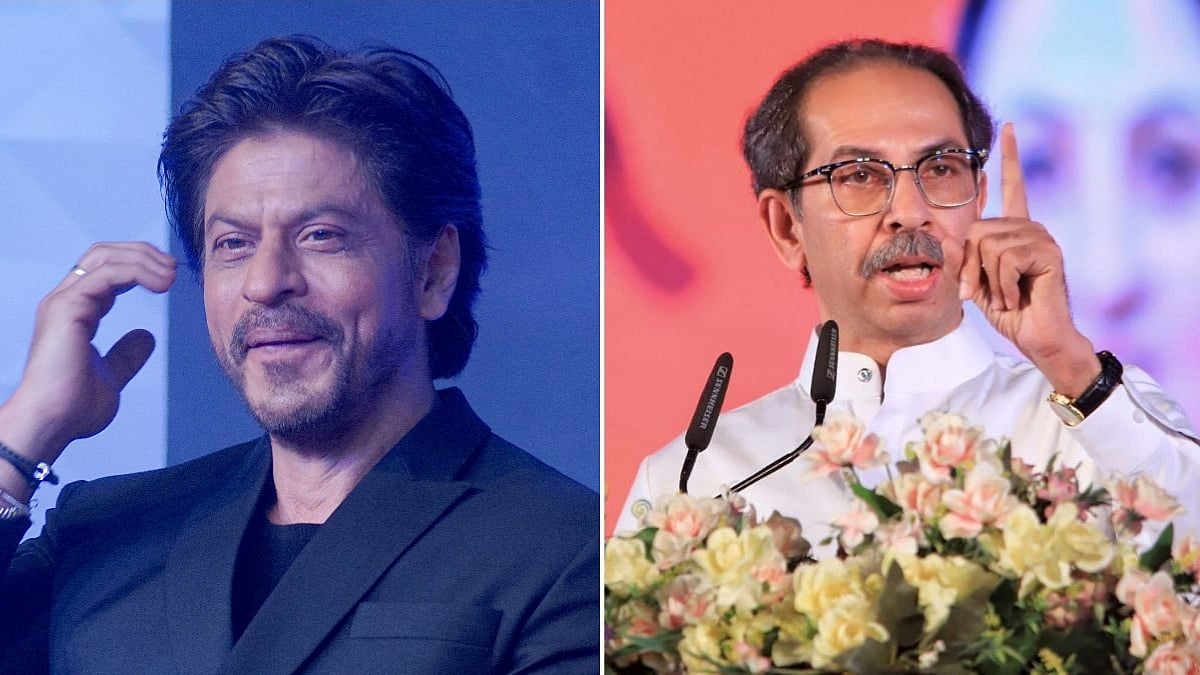
A BCCI source told IANS, “Let’s not get into this. It is not in our hands. We have not received any communication from the government directing us to prevent Bangladesh players from participating in the IPL. Can’t comment much as of now.”
Rahman, who has taken 65 wickets in 60 IPL matches at an economy rate of 8.13, made his IPL debut with Sunrisers Hyderabad in 2016. He later played for Mumbai Indians (2018), Rajasthan Royals (2021), Delhi Capitals (2022–23), and Chennai Super Kings (2024). He returned to Delhi Capitals last season as an injury replacement for Australian batter Jake Fraser-McGurk.
Spiritual and political backlash
The signing faced criticism from spiritual leader Devkinandan Thakur, who expressed that KKR and its co-owner Bollywood actor Shah Rukh Khan had hurt the sentiments of Hindus and followers of Sanatan Dharma by including a Bangladeshi player amid reports of atrocities against minorities in the neighboring country.
Political reactions to the controversy have been mixed, with several leaders emphasising that sports should remain separate from political and diplomatic issues, and that players should not be penalized for the policies of their home countries.
Despite the debate, the BCCI’s position remains neutral, indicating that Bangladeshi players, including Rahman, are expected to participate in IPL 2026 unless any formal directive is issued by the government.

