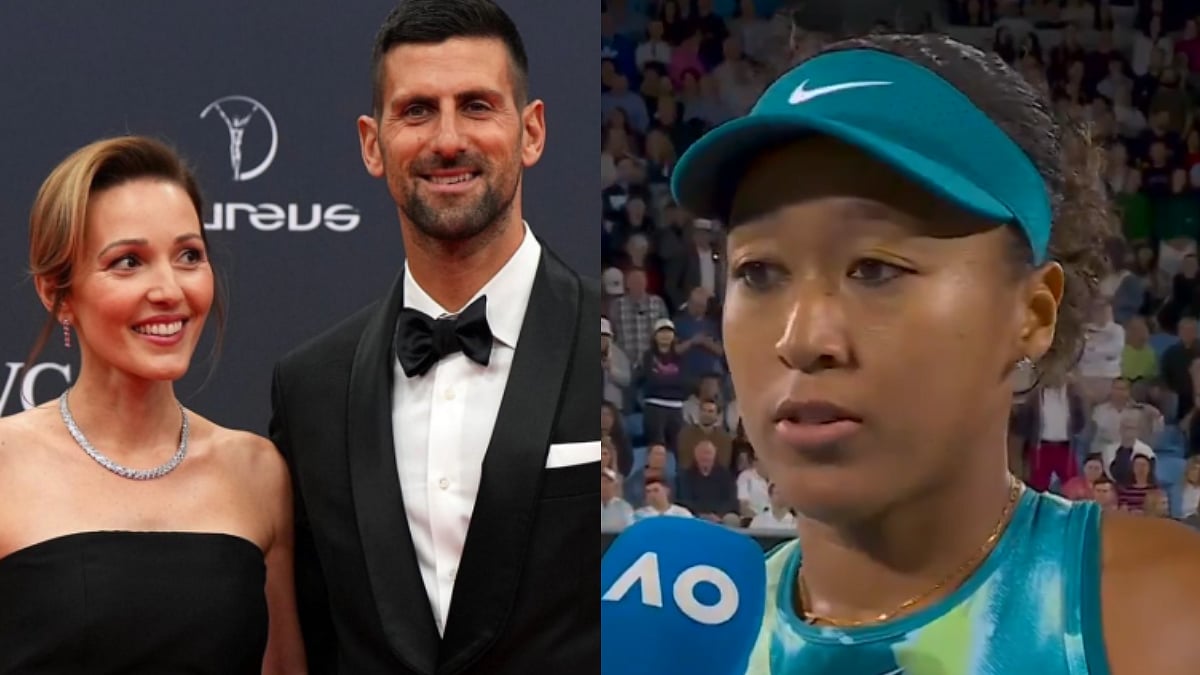
A controversial moment at the 2026 Australian Open involving Naomi Osaka and Sorana Cirstea has drawn criticism not only from fans but also from Jelena Djokovic, wife of tennis great Novak Djokovic, who publicly questioned the handling of the incident and Osaka’s on-court conduct.
The controversy unfolded during Osaka’s hard-fought second-round victory over Romanian veteran Sorana Cirstea. Osaka, a four-time Grand Slam champion, was heard audibly encouraging herself with “come on” shouts between points, including between first and second serves, which drew visible frustration from Cirstea. Despite Cirstea’s complaint to the chair umpire, officials ruled the vocalisations were permitted as long as they did not occur while her opponent was serving.
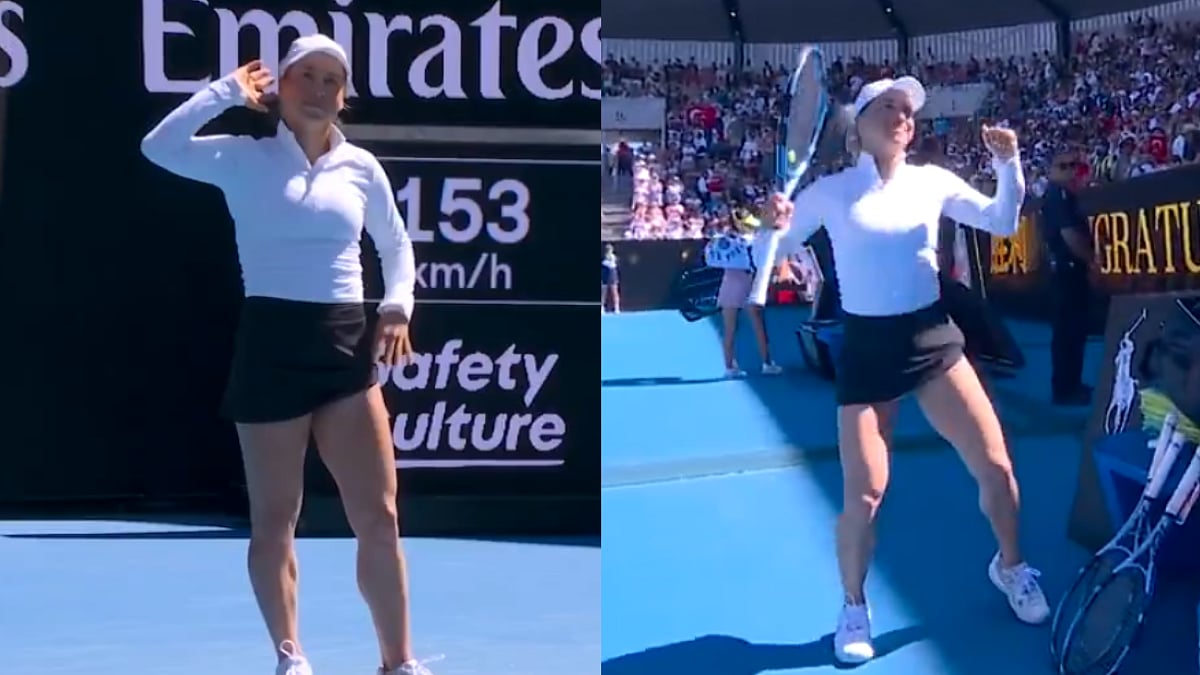
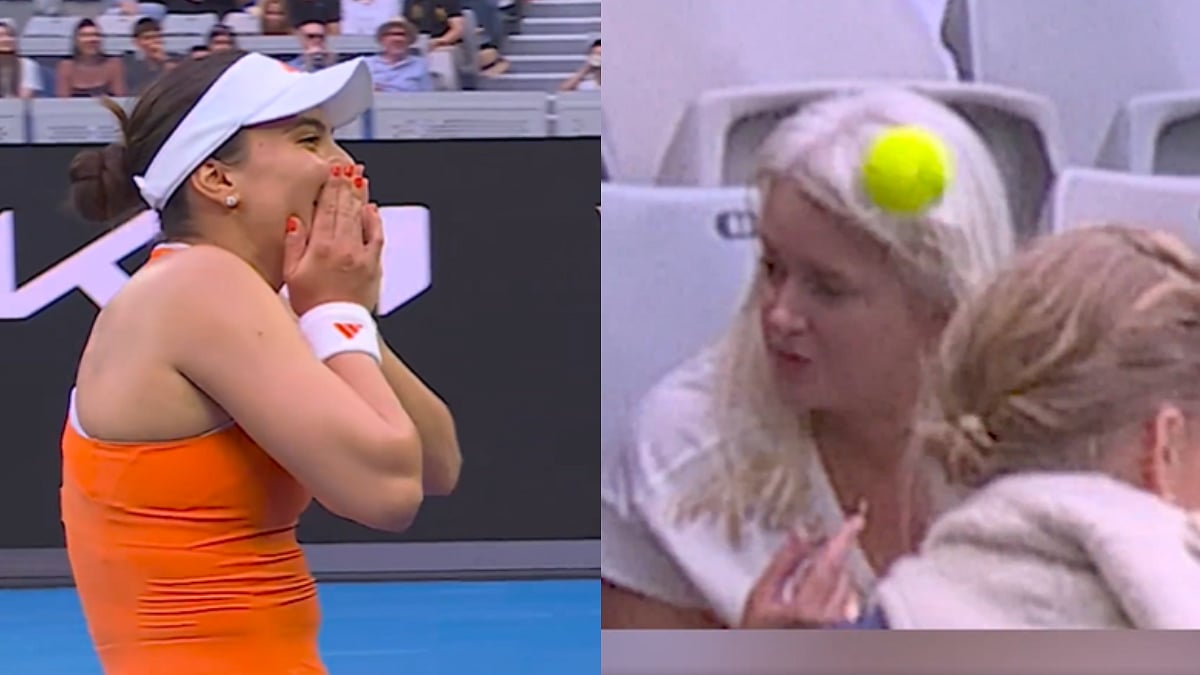
Following the match, the customary handshake was notably brief and icy, with Cirstea appearing visibly displeased. The moment sparked wider debate about sportsmanship and fair play on tennis’ biggest stage.
Jelena Djokovic makes her statement on the issue
Jelena Djokovic weighed in on the matter, criticising both the umpire’s decision and what she described as “disrespectful” behaviour. She argued that Osaka’s vocal encouragements, made during slight pauses in play, could be distracting and should have been treated as a hindrance by the official. Djokovic’s wife questioned whether the rules had been consistently applied, noting that players are sometimes told not to shout or have points interrupted by noise.
Osaka later addressed the controversy herself, acknowledging in a press conference that her initial comments after the match may have been “disrespectful” and expressing regret for any misunderstanding. She insisted her vocalisations were meant to motivate herself, not disrupt her opponent. Cirstea, who has indicated this will likely be her last Australian Open before retirement, downplayed the incident, saying it was a brief exchange between two long-time competitors and not indicative of deeper animosity.
As Osaka advances to the third round, the debate over sportsmanship and crowd etiquette continues to ripple through social media and the tennis world, amplified by high-profile voices weighing in on both sides.

