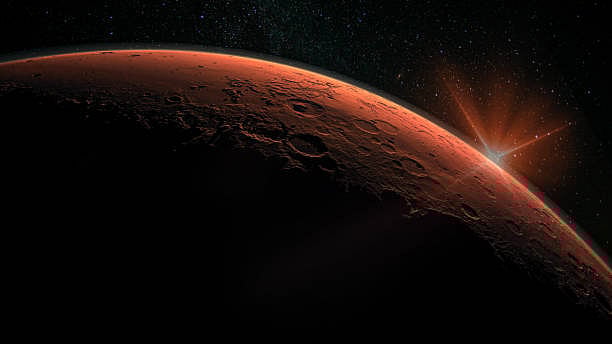
A recent study suggests that there could be some chances of microscopic life on the red planet. The researchers found that ancient bacteria could survive on the surface of Mars for much longer than previously assumed.
Which means the researchers will look out for the ancient bacteria and the remains of it when they receive the first samples from Mars.
These studies raise the possibility that, if life ever existed on Mars, researchers could be able to spot biological signs of it in forthcoming missions.

Mars's harsh environmental conditions:
The Marsh has a very harsh environment with an average temperature of minus 63 degrees at its mid latitude, which means it is not suitable for any kind of life, and along with such harsh conditions, it also gets constantly blitzed by intense galactic radiation and solar protons.
Based on the studies, the researchers conclude that there might have been some microorganisms that survived on the red planet over a billion years.
Why does 'einococcus radiodurans' have the chances of surviving on Mars?
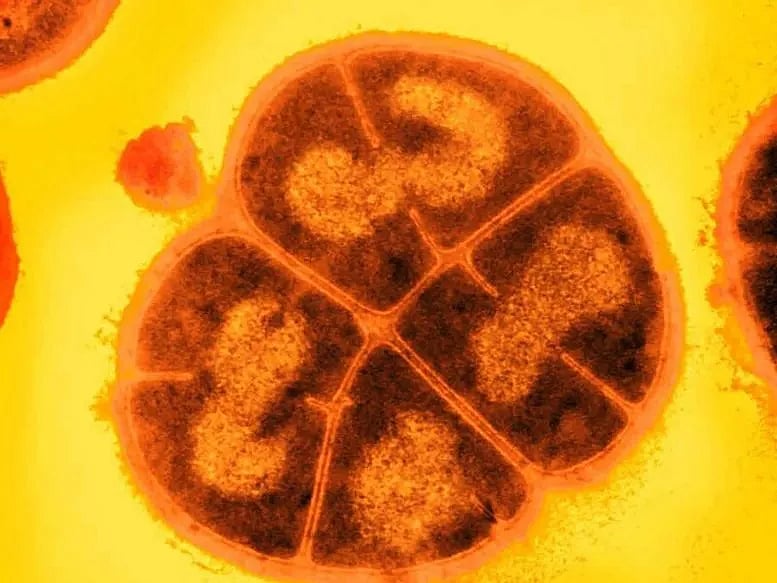
One particular microbe, like Deinococcus radiodurans, could be well suited to the Martian environment as this bacteria survived during the experiment with massive radiation while being frozen.
The bacteria exhibits an extraordinary level of resilience, which the researchers ascribe to its genetic structure. The chromosomes and plasmids of Deinococcus radiodurans are connected, which keeps them perfectly aligned and prepared for repair after harsh radiation.
This indicates that some of its remains may still be dormant beneath the Martian surface if a comparable bacteria arose on Mars when the planet still contained water.

