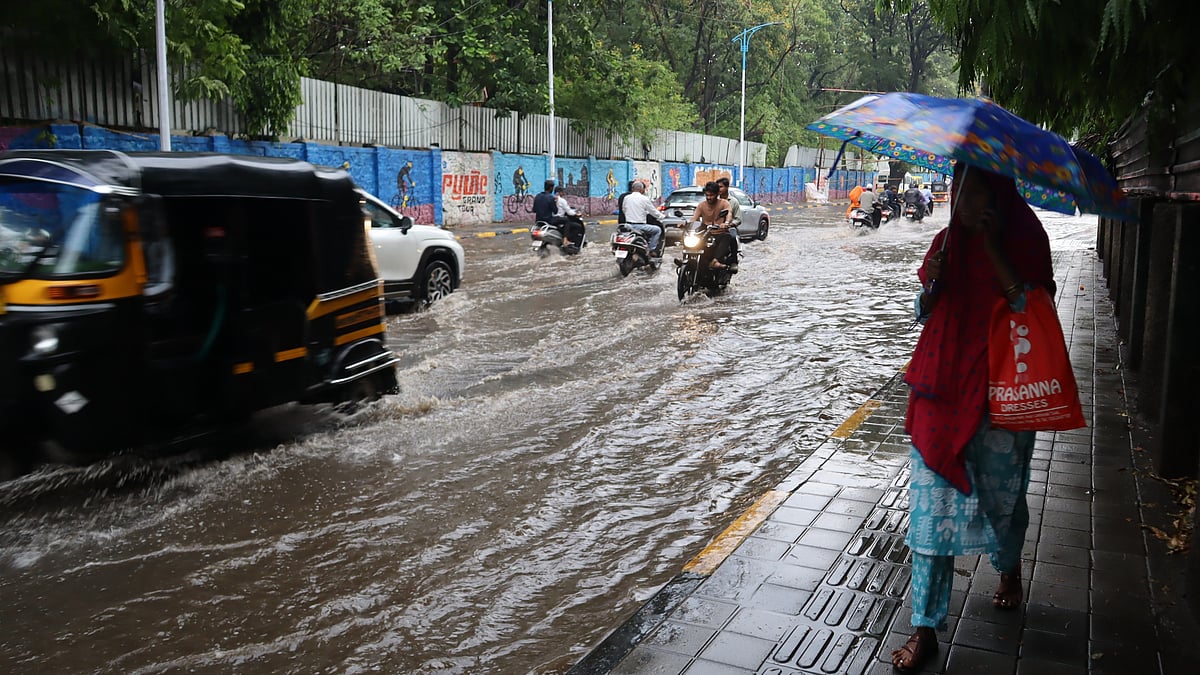
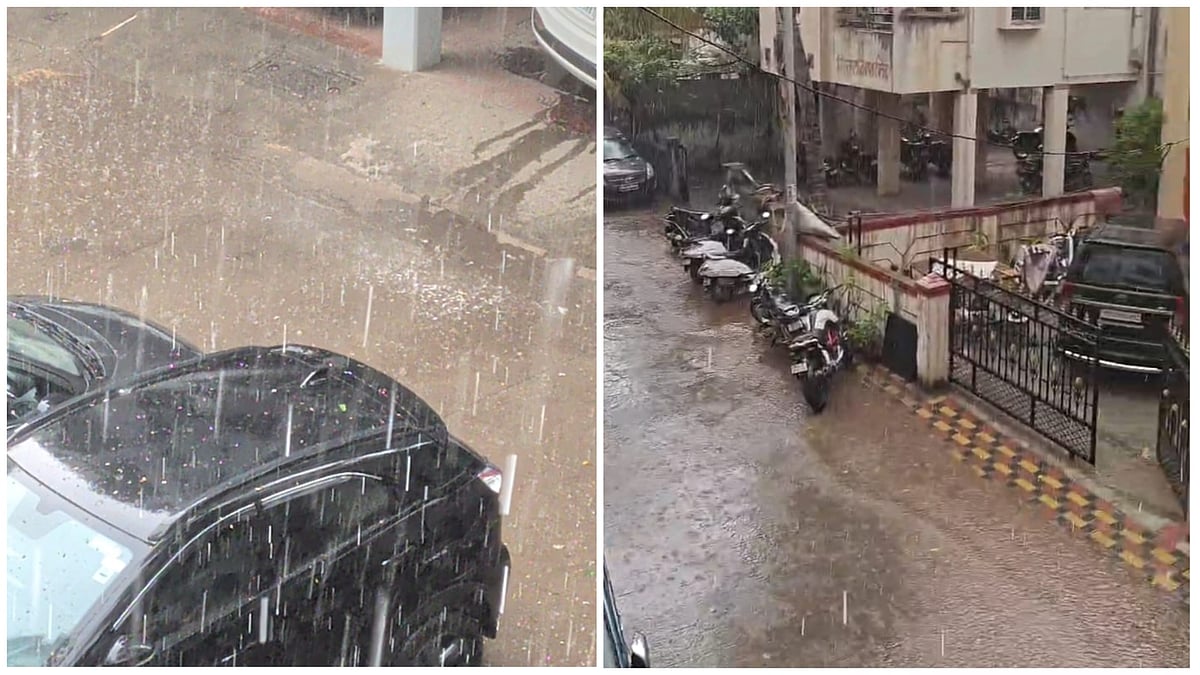
Pune: Even before the monsoon, Pune witnessed intense, cloudburst-like rainfall that flooded roads and disrupted daily life earlier this week. Experts say this was not a random event but the result of a rare combination of weather factors.
Meteorologists point to a low-pressure trough stretching from the Arabian Sea to western India. This system pulled large amounts of moisture toward land. At the same time, rising summer temperatures created ideal conditions for instability in the atmosphere.
Moisture Meets Heat
According to experts, as hot air over land rose quickly, it mixed with moisture from the sea. This led to the formation of powerful storm clouds known as Cumulonimbus clouds. These clouds are known for producing heavy rain in a short time, which explains the sudden downpour in the city.
Experts also highlight the role of jet streams. These high-speed winds increase storm intensity and make weather patterns harder to predict. Because of this, rainfall becomes more concentrated and intense over a short duration.

Geography Adds to Impact
Pune’s location near the Sahyadri range also played a role. Moist winds rise over these hills, which can suddenly increase rainfall in nearby areas. This geographical factor made the situation worse during the recent storm.
However, the flooding was not caused by rain alone. Rapid urbanisation has reduced natural drainage in the city. Blocked streams and outdated drainage systems failed to handle the sudden water flow, leading to severe waterlogging across many areas.
The India Meteorological Department (IMD) had already warned of pre-monsoon rain and thunderstorms in Maharashtra. Experts now say such extreme weather events are becoming more common due to changing climate patterns. Seasonal boundaries are no longer clear, and sudden rains during summer are increasing.
Need for Preparedness
Officials have advised citizens to stay alert, especially during evening hours when storms are more likely. The recent rainfall has shown that cities like Pune must prepare for extreme weather beyond the monsoon season.
The incident highlights a larger concern. As climate patterns shift, urban planning and infrastructure must adapt quickly. Without this, even short spells of rain can continue to disrupt normal life in the city.

