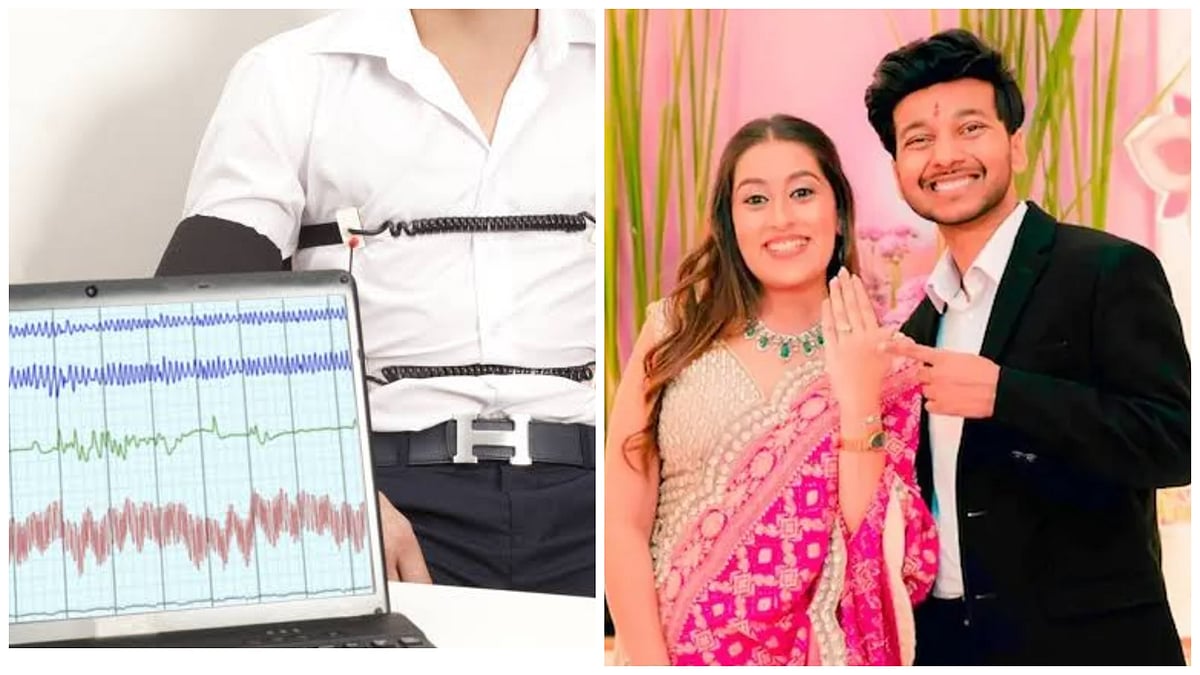
Pune: The investigation into the murder of businessman Ketan Agarwal has entered a crucial phase, with police seeking to conduct a polygraph test, commonly known as a lie detector test, on the prime accused, Siya Goyal. The move is aimed at helping investigators verify key statements, identify contradictions, and gather leads that could strengthen the ongoing probe.
A polygraph test is a scientific examination that measures a person's physiological responses, such as heart rate, blood pressure, breathing pattern, and sweating, while they answer a series of carefully prepared questions. The basic idea behind the test is that when a person deliberately lies, the body may show changes caused by stress or anxiety.
How Does a Polygraph Test Work?
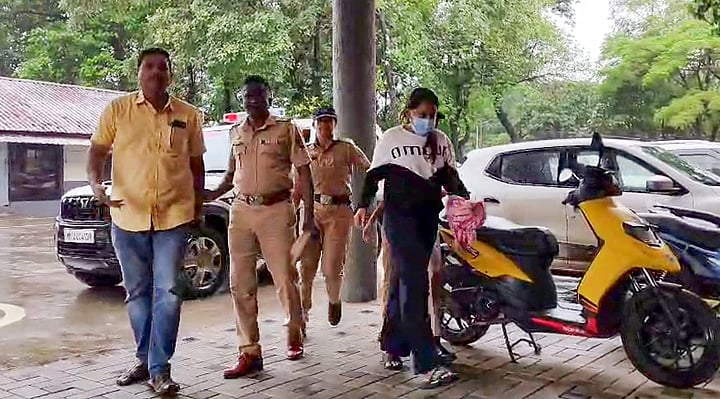
Before the test begins, the examiner explains the entire procedure to the person being tested. Sensors are attached to the body to record different physical responses.
The examiner first asks simple questions whose answers are already known, such as the person's name, age or other basic details. These are followed by questions related to the case under investigation.
The machine continuously records the person's physiological responses. Investigators then analyse whether there are significant changes in these responses when the person answers specific questions. Such changes may indicate stress associated with deception, but they do not conclusively prove that the person is lying.
Is It a Lie Detector?
Although it is popularly called a lie detector test, a polygraph does not directly detect lies. Instead, it records physical reactions that may occur when someone is being deceptive. Anxiety, fear or nervousness can also produce similar reactions. Therefore, the results must always be interpreted carefully by trained experts.
Can Polygraph Results Be Used as Evidence?
In India, the results of a polygraph test cannot by themselves be treated as conclusive evidence in court. The Supreme Court has ruled that no person can be forced to undergo such a test without their voluntary consent.
Even when conducted with consent, the findings mainly serve as an investigative aid rather than proof of guilt or innocence. Police use the results to verify statements, identify inconsistencies, discover new leads, recover evidence, or decide what aspects of the investigation require further examination.
Ultimately, a court relies on evidence such as forensic findings, witness testimony, CCTV footage, digital records and other legally admissible material while deciding a case.

Why Is It Important in the Ketan Agarwal Murder Case?
In the Ketan Agarwal murder case, investigators believe that a polygraph test on Siya Goyal could help clarify several unanswered questions surrounding the crime.
Police suspect that there may be gaps or contradictions in the statements recorded during the investigation. Through the polygraph examination, investigators hope to determine whether the accused's responses remain consistent when questioned about key events before, during and after the alleged murder.
The test may also help police understand whether other individuals were involved, whether any crucial information has been withheld, and whether additional evidence or locations connected to the crime need to be examined.
However, it is important to note that a polygraph test alone cannot establish guilt. Even if the results raise suspicion, investigators must support their findings with independent evidence that is legally admissible in court.
Part of a Larger Investigation
Legal experts point out that a polygraph test is only one tool among many used during criminal investigations. It does not replace forensic analysis or other forms of evidence. Instead, it helps investigators move the investigation in the right direction by confirming or questioning the credibility of statements made during interrogation.
As the Ketan Agarwal murder investigation progresses, the proposed polygraph test on Siya Goyal is expected to assist police in piecing together the sequence of events. Whether it ultimately strengthens the prosecution's case will depend on the independent evidence uncovered during the investigation and presented before the court.

