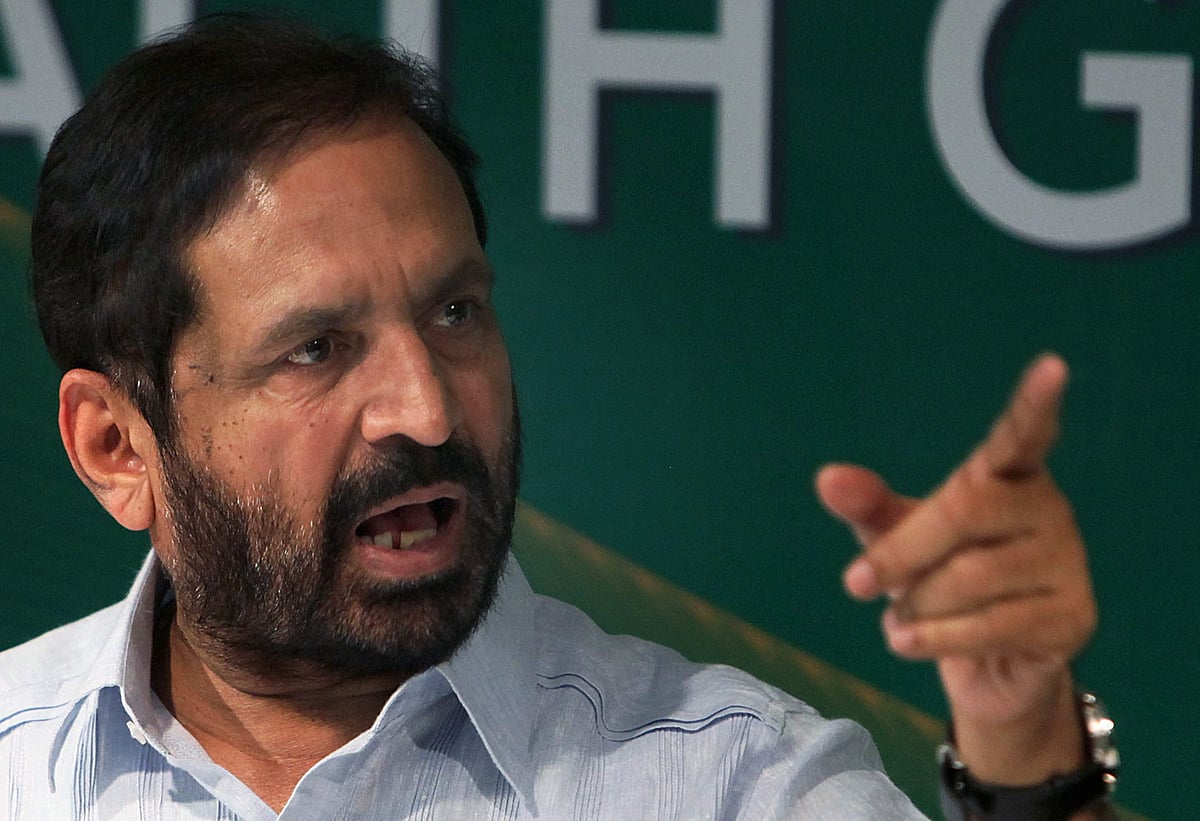
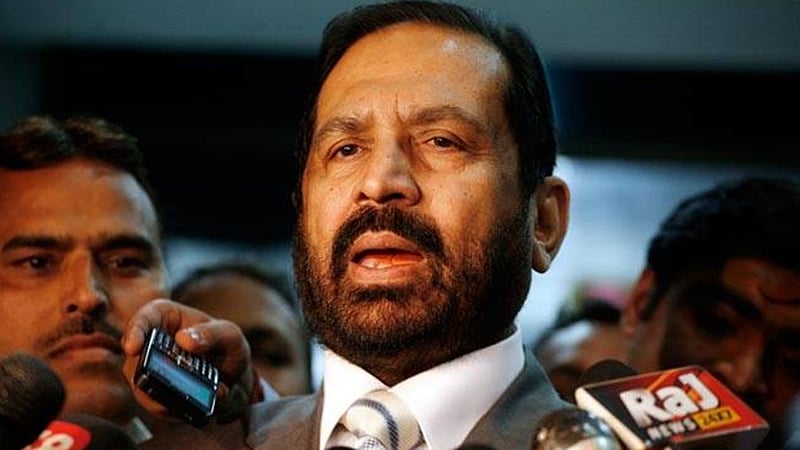
Pune: Far removed from the controversies that often dominated public discourse, Suresh Kalmadi, former Union Minister, long-serving sports administrator, and Chairman of the Delhi 2010 Commonwealth Games Organising Committee, passed away here in the early hours of Tuesday.
He was 81 and had been battling a prolonged illness at the Deenanath Mangeshkar Hospital. His last rites will be performed later in the day at the Vaikunth Crematorium in Navi Peth, Pune, the city that remained central to both his life and his sporting vision.
Kalmadi was, at his core, a sports administrator who navigated extraordinary complexity—across governments, international federations, multiple agencies, and immense logistical pressure—to deliver the first truly global, internationally admired Commonwealth Games on Indian soil. The Delhi 2010 Commonwealth Games marked a watershed moment in India’s sporting journey, showcasing the country’s ability to host mega multi-sport events and altering how the sporting world viewed India.
“Sport is perhaps the only medium that can truly reach people across the globe, and more importantly, connect deeply with India’s vast rural population,” he had once told this journalist during his heyday, underlining his belief that sport possessed a unique power to unite, inspire, and uplift communities beyond boundaries of geography, language, and background.

Among the most significant of these initiatives was the Pune International Marathon, which, during its peak years, stood among the finest road races in the country. Alongside multiple international athletics meets hosted in the city, these events transformed Pune into a vibrant sporting hub—earning it recognition as the Sports City of India. Infrastructure development, international participation, and consistent exposure to elite competition ensured that Pune became a breeding ground for athletes and administrators alike, long before the term “sports ecosystem” entered common usage.
The Balewadi Multi Sports Complex stands as a lasting testimony to Suresh Kalmadi’s vision and acumen in developing world-class sports infrastructure in Pune. Conceived as a hub capable of hosting multiple disciplines at the highest level, the complex has gone on to become one of the country’s most significant sporting venues, witnessing numerous national and international events over the years. Its presence not only elevated Pune’s status on the global sporting map but also reinforced the city’s identity as a centre for elite competition, athlete development, and international sporting engagement in India.

Kalmadi’s contribution to Indian sport extended far beyond a single event. As President of the Indian Olympic Association from 1996 to 2012, he played a defining role in integrating Indian sport with the global Olympic movement during a period of transition and growth. His influence also stretched across Asia, serving as President of the Asian Athletics Association from 2000 to 2013, before being named its Life President in 2015—a rare honour that reflected his standing in international athletics administration.
One of Kalmadi’s enduring legacies lies in his commitment to bringing world-class sport to Indian soil, particularly to Pune. During his tenure, Indian audiences were given rare, up-close exposure to global sporting excellence, watching legends such as Carl Lewis, Maurice Greene, Sergey Bubka to name a few besides several other international stars compete in India. These were not mere exhibition appearances but high-quality invitational international events that elevated standards, inspired athletes, and broadened public engagement with sport.
Kalmadi’s vision was clear: sport needed platforms, visibility, and ambition. Through sustained effort and international networking, he ensured that Pune and India were no longer peripheral players but active participants in the global sporting landscape.
With his passing, India and the sporting world have lost a towering, if complex, figure—one whose influence reached far beyond medals and events, leaving behind institutions, opportunities, and a city firmly embedded in India’s sporting identity.
