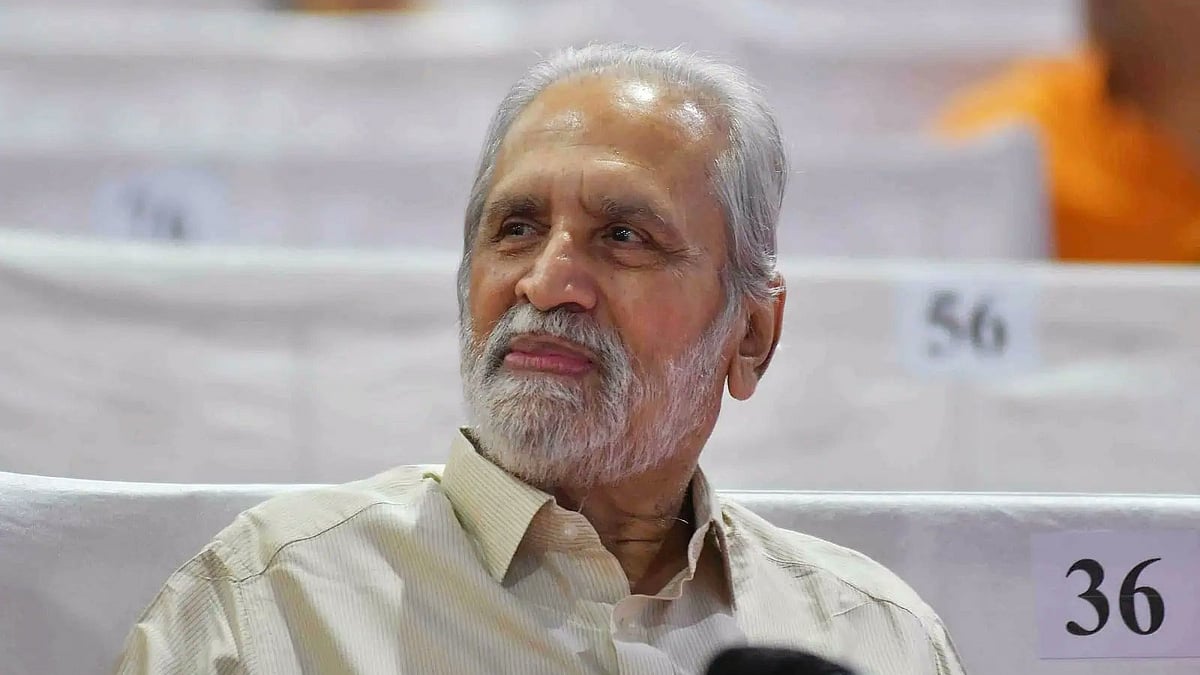
Suresh Kalmadi, a senior Indian National Congress leader and former Union minister, passed away at the age of 81 after a prolonged illness in Pune, Maharashtra. He was a six-time Member of Parliament and a prominent figure in both politics and sports administration.
Early Political Career and Rise
Kalmadi began his political journey in the late 1970s within the Indian Youth Congress, gradually rising through the ranks. He went on to serve as a Member of Parliament from Pune, held the position of Minister of State for Railways, and gained influence in sports administration.
Sports Administration Roles
He became a notable sports administrator, serving as President of the Indian Olympic Association (IOA) and also leading the Asian Athletics Association for over a decade. His work on various athletic programs earned him recognition within the international sports community.
2010 Commonwealth Games 'Scandal'
Kalmadi’s legacy is deeply entwined with the 2010 Commonwealth Games in New Delhi, one of India’s largest multi-sport events. As Chairman of the Organising Committee and head of the IOA, he became the central figure in allegations of corruption and mismanagement related to the Games.
Investigations by Indian authorities, including the Central Bureau of Investigation (CBI), accused him of awarding inflated contracts for equipment such as the Timing, Scoring, and Results (TSR) system, resulting in significant financial irregularities.
In April 2011, Kalmadi was arrested by CBI, and spent time in custody before being released on bail. His conduct drew widespread media scrutiny, and he was eventually suspended from the Congress party and removed from several sports positions.
Later Years and Controversies
Despite the scandal, Kalmadi continued to receive accolades in sports circles; in 2015 he was honored by the Asian Athletics Association for his contributions to athletics. However, his name remained associated with one of independent India’s most high-profile corruption controversies.
Legacy
Suresh Kalmadi’s life was marked by significant achievements in politics and sports administration, but also by serious corruption allegations that overshadowed much of his legacy. He is survived by his family, and his death marks the end of a contentious chapter in Indian sports and public life.

