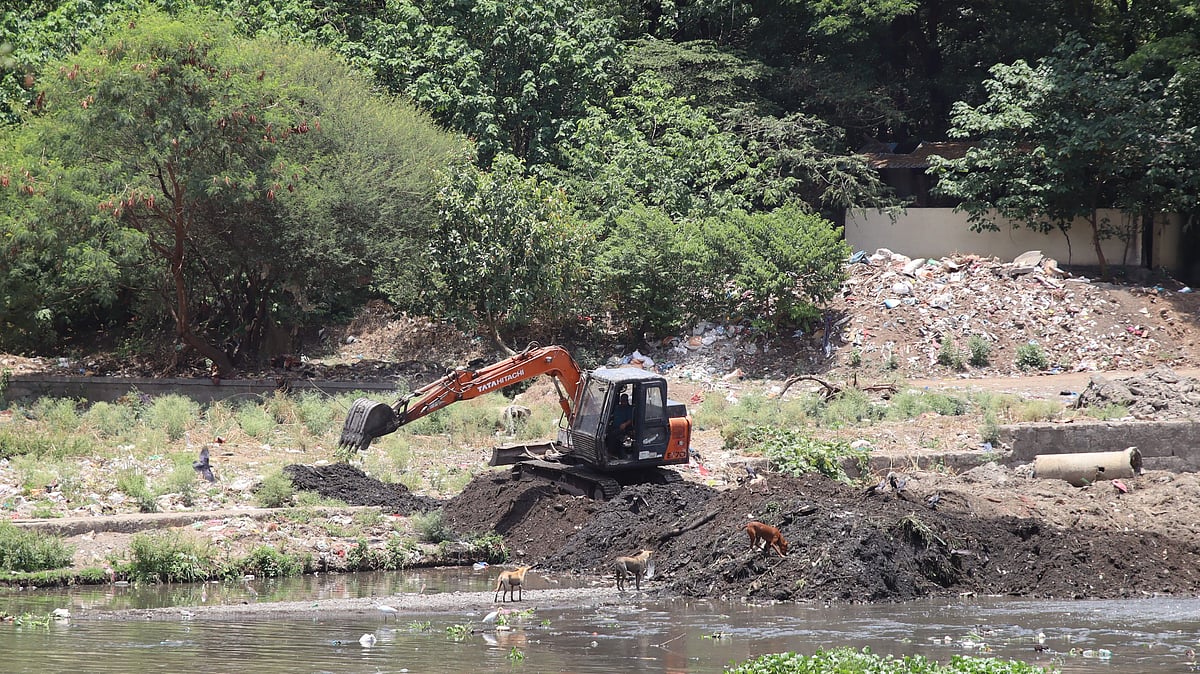
Even as Pune grapples with a severe water shortage and residents face alternate-day water supply, more than 400 million litres of treated wastewater is being discharged into the city's rivers every day due to poor utilisation of recycled water infrastructure.
The Pune Municipal Corporation (PMC) generates nearly 980 million litres per day (MLD) of sewage. Of this, the city's sewage treatment plants have the capacity to process around 477 MLD. However, a significant portion of the treated water is not reused and is instead released into river channels, raising questions about the effectiveness of the city's water recycling strategy.
The issue has once again come under scrutiny after information obtained through the Right to Information (RTI) Act revealed poor utilisation of the Mundhwa treated water project, despite repeated appeals by the civic administration urging citizens to conserve and recycle water.
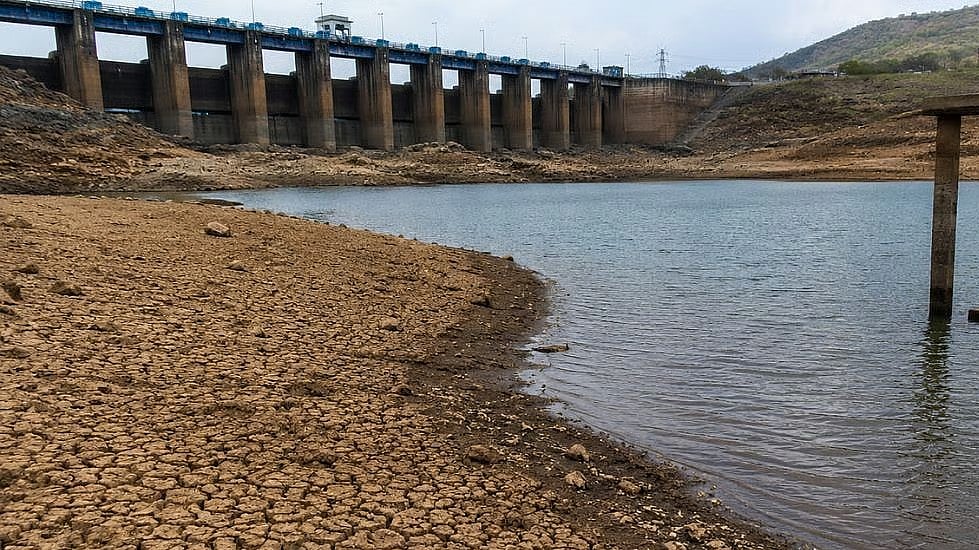
Commissioned in 2011 at a cost of approximately ₹100 crore, the Mundhwa project was designed to treat 550 MLD of sewage, claimed by the PMC to be expandable up to 650 MLD, and supply treated water for irrigation in Daund through the Water Resources Department's canal network. The project has an annual treatment capacity of 6.5 TMC.
However, RTI data shows that between 2016 and December 2024, only 22.5 TMC of treated water, or about 35 per cent of the project's total capacity, was utilised for agriculture. The situation has worsened since January 2025, with utilisation reportedly dropping to less than 10 per cent of the available capacity.
As a result, nearly 400 MLD of treated water is being discharged into rivers every day instead of being put to productive use.
According to civic officials, treated water is available for non-potable purposes, but demand from various government agencies has remained low. During the period between December 2025 and March 2026, the average daily lifting of treated water stood at around 250 MLD, well below the project's capacity.
Concerns have also been raised by the construction sector, where some developers reportedly remain reluctant to use treated water due to apprehensions over its impact on construction quality.
City Engineer Aniruddha Pawaskar said the corporation has created the infrastructure to supply treated water, but its utilisation depends on the agencies responsible for lifting and distributing it.
Meanwhile, Vivek Velankar, activist and president of Sajag Nagrik Manch, criticised the lack of implementation. "The PMC should first use treated water for flushing in public toilets and other civic facilities. Despite spending crores on treatment plants, the recycled water is flowing into rivers. The Water Resources Department has failed to utilise it for agriculture, while the Railways have also shown little interest. Policies exist only on paper," he said.
The issue has gained significance as Pune continues to face dwindling reservoir levels and the civic administration explores alternative measures, including artificial rain, to augment the city's water supply. Environmentalists and citizen groups have argued that effective reuse of treated wastewater could substantially reduce dependence on potable water for non-drinking purposes and improve overall water security.

