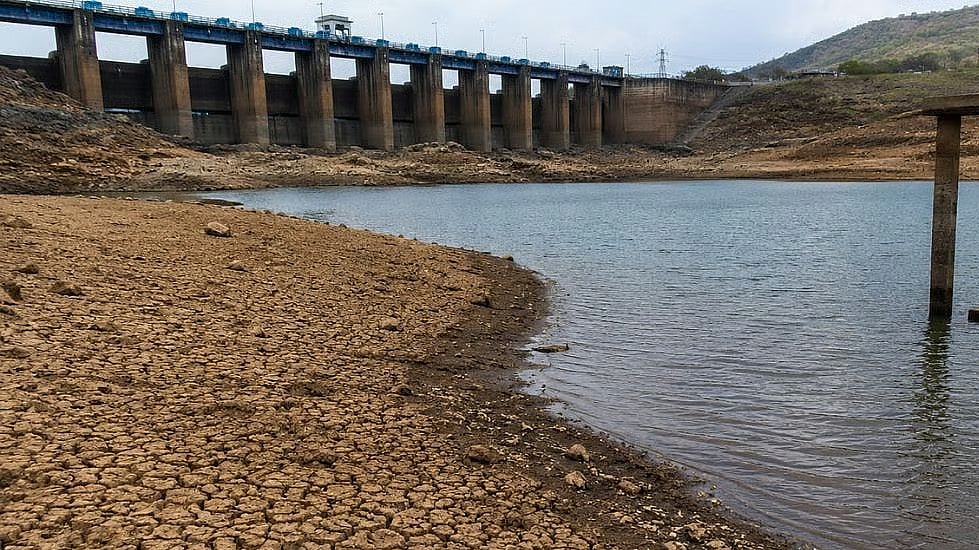
Pune: Facing a severe water shortage following a delayed monsoon and dwindling reservoir levels, the Pune Municipal Corporation (PMC) is exploring the feasibility of artificial rain to increase water storage in dams supplying the city.
“The delayed monsoon has significantly affected water storage in the reservoirs supplying Pune. We have already imposed alternate-day water supply, but the continuing lack of rainfall is a matter of serious concern. The administration has been directed to study the feasibility of artificial rain to increase water storage if rainfall remains deficient,” said mayor Manjusha Nagpure.
The decision was taken at a meeting of leaders of all political parties, where possible measures to tackle the water crisis were discussed, she added.
According to Nagpure, the civic administration has been asked to prepare a detailed report covering the technical feasibility of cloud seeding, its likely effectiveness, expenditure involved and the experience of other states where similar experiments have been conducted.
“There was a suggestion that artificial rain could first be undertaken on a pilot basis in the catchment areas of the dams. The administration has been asked to immediately consult expert organisations, study previous experiments and assess whether the exercise can help improve reservoir storage,” she said.
The Pune civic body mainly draws water from Khadakwasla, Panshet, Varasgaon and Temghar dams. Some areas of the city get water from Bhama Askhed and Pavana dams.
Due to depleting water levels in dams, the Pune civic body introduced water cuts with alternate-day supply in the city from June 15 while directing closure of washing centres of vehicles, swimming pools and banning use of drinking water source for gardens and construction activities.
“The India Meteorological Department (IMD) has released its revised monsoon forecast for the period June to September. The country’s seasonal monsoon is expected to receive around 90 to 95 per cent rainfall. Rainfall below 90 per cent is also possible. The Al-Nano effect is also expected to have an impact on the monsoon,” municipal commissioner Naval Kishore Ram had said while announcing water cuts.
The civic body’s challenge has been compounded by rapid urban expansion. The PMC’s jurisdiction has grown from 125 sq km in 1987 to 508 sq km after successive mergers, while the city’s population is estimated to have increased from about 70 lakh in 2021 to 77.76 lakh in 2025-26.
Based on the government norm of 135 litres per person per day, Pune requires around 21.03 TMC of water annually. However, the state Water Resources Department has sanctioned only 16.36 TMC, leaving the civic body with a significant shortfall.
The shortage has also increased dependence on private water tankers. However, tanker operators say falling groundwater levels have reduced the availability of water from wells and borewells, making it increasingly difficult to meet the growing demand.

