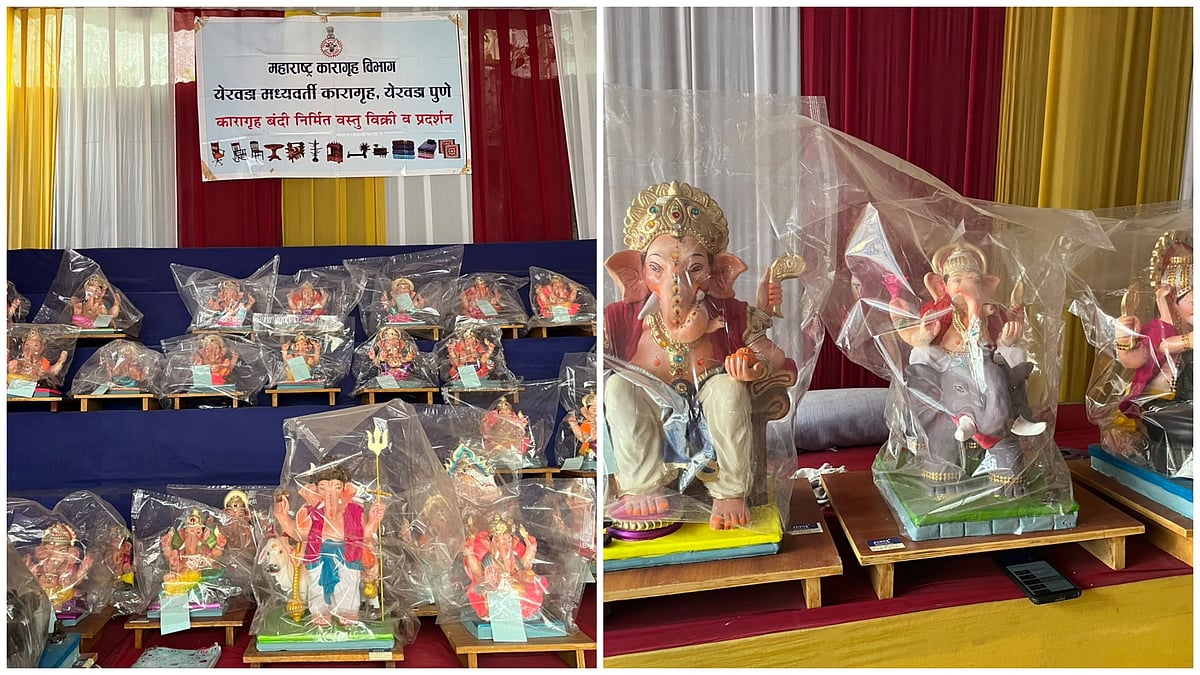
Pune: Behind the high walls of Yerawada Central Jail, where prisoners follow a tightly regulated daily routine, a group of inmates has found a different way to express creativity and contribute to Pune’s Ganeshotsav celebrations.
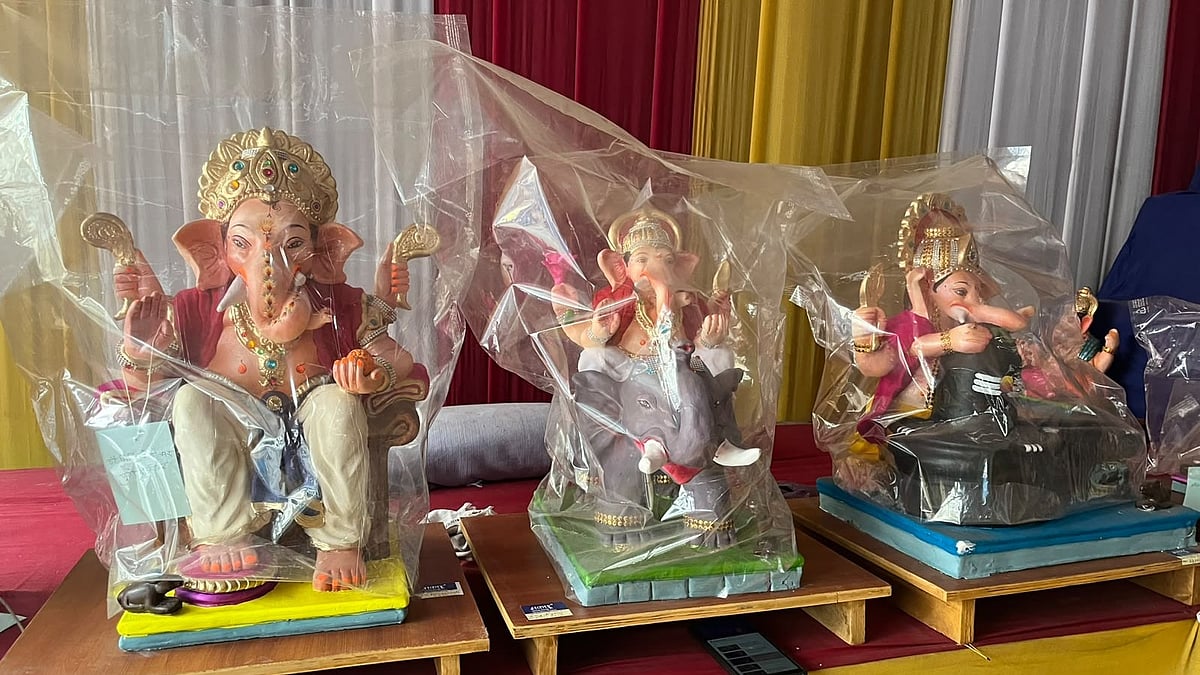
Using natural clay, prisoners have crafted Ganesh idols that are being sold to citizens through two stalls set up at Yerawada and Swargate.
The initiative, undertaken as part of the prison’s skill-development and rehabilitation activities, has resulted in the preparation of approximately 200 idols. Nearly 190 of these idols have already been sold, according to prison supervisor Kundalik Khalokar.
The idols, available in different sizes and designs, offer devotees an opportunity to bring home an eco-friendly Ganesh idol while supporting the work of prisoners.
From January Training to Leading the Production Team
Explaining how the initiative began, Khalokar said, “Training in Ganesh idol-making began in January. The prisoners were taught how to make the idols, and over the next two to three months, some of them picked up the skill very well.”
The training involved 15 prisoners and two supervisors who assisted in the idol-making process. According to Khalokar, three inmates demonstrated particularly good skills during the training and were subsequently given a leading role in the team.
“Three prisoners performed exceptionally well during the training. They were made the leads of the team, and the work of making the idols was taken forward under their guidance,” he said.
After the training period, the inmates began preparing the idols around May and June. Since then, they have produced approximately 200 idols in different shapes, sizes and designs.
Natural Clay Idols Priced Between ₹600 and ₹3,000
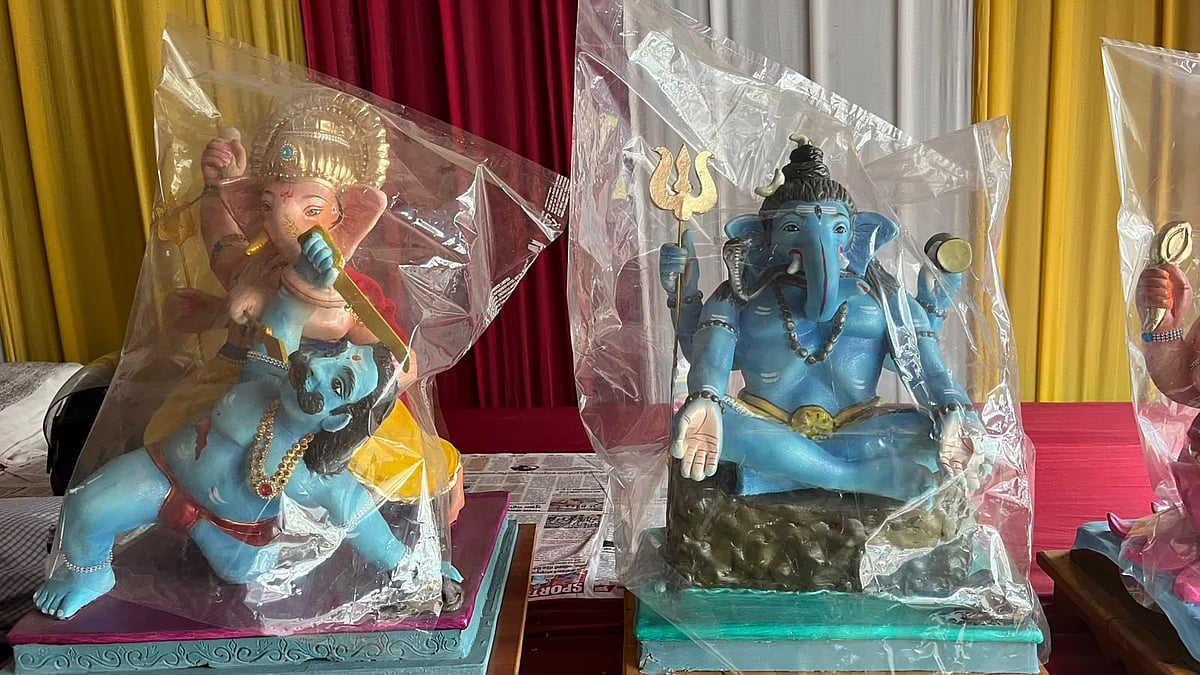
The idols have been made using shaadu maati, a natural clay used in the preparation of eco-friendly Ganesh idols. The use of clay provides an alternative to idols made from materials such as Plaster of Paris, which can create environmental concerns during immersion.
The stalls have different idols of varying heights and designs, with prices determined by the size, detailing and work involved in preparing each idol.
The smallest idols are priced at approximately ₹600 to ₹700, while the larger and more elaborate idols are available for around ₹3,000 to ₹4,000.
Khalokar said the range was intended to accommodate different requirements and budgets among citizens.
“We have prepared idols of different sizes and designs. The prices depend on the height, size and detailing of each idol. The smaller idols are available at around ₹600 to ₹700, while the prices of the bigger idols go up to approximately ₹3,000 to ₹4,000,” he said.
The two sales outlets have helped take the inmates’ work beyond the prison premises and make it accessible to citizens preparing for the festival.
Sales Proceeds to Cover Materials and Inmate Labour
The initiative also provides a financial component to the prisoners’ work.
Khalokar said, “The money collected from the sale of the idols will first be used for the materials required to make them. After those expenses are covered, the remaining amount will be given to the prisoners involved in making the idols as their labour cost.”
The remuneration will allow the participating prisoners to use the money for their personal requirements within the jail premises. The arrangement gives them a direct financial benefit from the work they have undertaken.

Creative Activity Offers Relief to Life-Term Prisoners
For prisoners serving life imprisonment sentences, the initiative also serves a purpose beyond skill development and income. Spending long periods in prison can involve repetitive routines, making opportunities for constructive and creative work important for maintaining engagement.
Khalokar said, “Prisoners serving life sentences spend a long time inside the jail. Such activities give them a change in their daily routine. They learn something new, remain engaged in meaningful work and get an opportunity to refresh their minds.”
The collective work also encourages patience, concentration and cooperation among the inmates. For those who have taken the lead in preparing the idols, the initiative provides an opportunity to demonstrate their abilities and take responsibility for a team.

