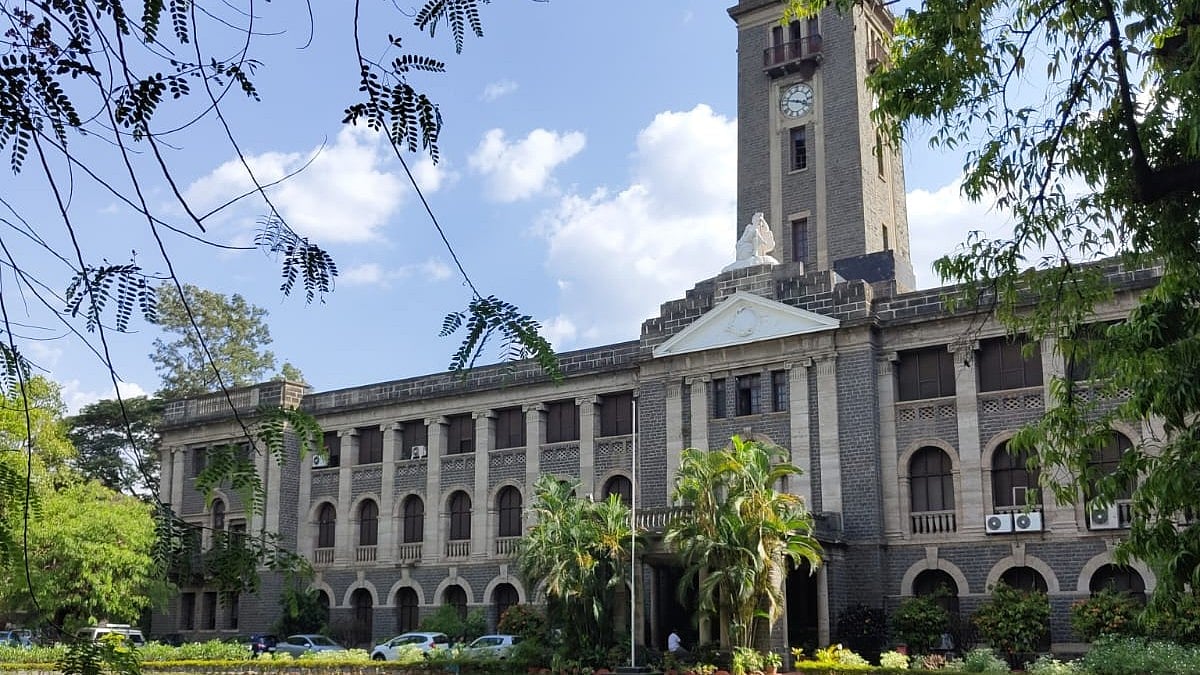
Pune: The city recorded an unusually warm night on Sunday, February 22, 2026, with Shivajinagar logging a minimum temperature of 19.2°C, the second-highest minimum temperature recorded in the month of February since 2015, when it had touched 19.5°C.
According to official data released by the India Meteorological Department (IMD), this is also the first instance since 2020 that Pune’s minimum temperature has reached the 19°C mark in February.
Over the past week, Pune has been experiencing a consistent rise in nighttime temperatures, with minimum readings staying 3°C to 5°C above the seasonal average. On Sunday, this deviation widened further, with the minimum temperature recorded at 5.8°C above normal. Weather forecasts suggest that temperatures may continue to climb in the coming days, raising the possibility of Pune setting a new record for the highest February minimum temperature this year.
Other parts of the city and surrounding areas also reported significantly warmer nights. Lohegaon recorded a minimum temperature of 23.3°C, which was 9.9°C above normal, while Chinchwad registered 22°C, indicating that above-normal night temperatures were widespread across the Pune region.
Daytime temperatures have also remained higher than usual. Shivajinagar recorded a maximum temperature of 34.4°C, which was 1.1°C above normal. In Lohegaon, the mercury rose to 35.4°C, 2.1°C above the seasonal average. The combination of warmer days and notably higher nighttime temperatures has led to early summer-like conditions in the city, even though February typically marks the transition from winter to summer.
S. D. Sanap, Senior Meteorologist at IMD Pune, stated that the city is expected to continue experiencing above-normal temperatures in the near future. He noted that if the current warming trend persists, Pune could witness further fluctuations in both minimum and maximum temperatures as the month comes to an end.

The IMD has forecast mainly clear skies for Pune, with partly cloudy conditions likely during the afternoon and evening hours. Temperatures are expected to remain on the higher side over the next few days.
Meanwhile, as per the IMD’s bulletin issued on Sunday, a low-pressure area over the southwest Bay of Bengal and adjoining equatorial Indian Ocean has moved west-northwest and developed into a well-marked low-pressure area over the same region as of 5:30 am on February 22. The system persisted in the area till 8:30 am and is likely to continue its west-northwest movement before gradually curving northeastward over the southwest Bay of Bengal in the next 48 hours.
Additionally, a trough extending from this well-marked low-pressure area to south Madhya Maharashtra, passing through central Tamil Nadu and interior Karnataka in the lower tropospheric levels, is influencing weather patterns across peninsular India, including Maharashtra.

