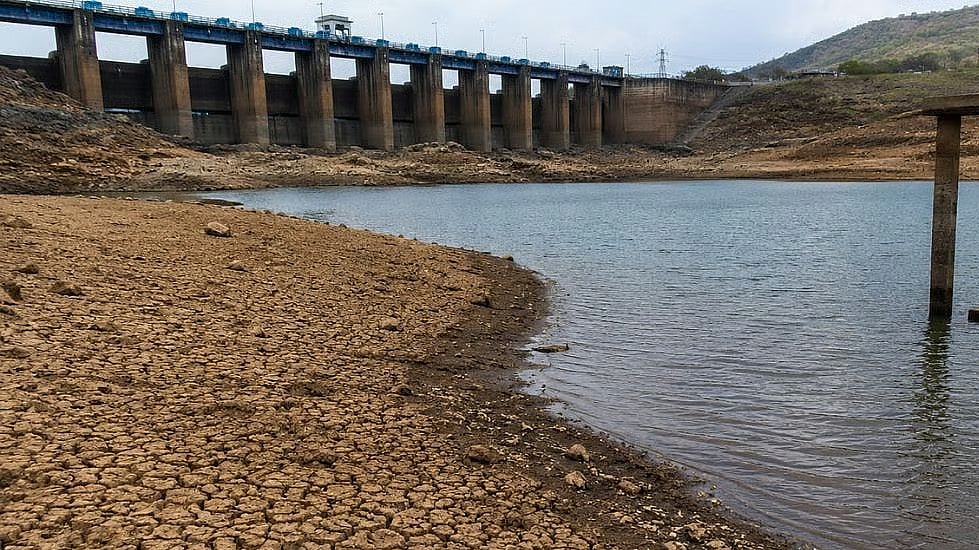
Water storage in the Khadakwasla Dam, the primary source of drinking water for Pune city, has fallen to its lowest level in nearly a decade, raising concerns over the city's water security. However, continuous rainfall over the last three days has brought some relief, with a gradual increase in inflows, particularly into the Varasgaon Dam.
According to Irrigation Department data, light to moderate rainfall was recorded in the dam catchment areas till July 1. Temghar received 15 mm of rainfall, Panshet 10 mm, Varasgaon 13 mm, and Khadakwasla 4 mm. Despite the rainfall, inflows into the reservoirs remain limited.
As of July 1, the combined usable water storage in the four dams stood at 3.66 TMC, which is only 12.57 per cent of the total capacity. On the corresponding date last year, the reservoirs held 14.90 TMC, or 51.12 per cent of their usable storage.
The current reservoir-wise usable storage is Panshet: 1.80 TMC, Varasgaon: 1.56 TMC, Khadakwasla: 0.31 TMC and Temghar: 0 TMC.
The Temghar Dam has completely exhausted its usable water storage, while the Khadakwasla Dam has reached one of its lowest storage levels recorded in the last 10 years.
Officials noted that the current situation is comparable to previous low-rainfall years such as 2016, 2019 and 2022. Although Khadakwasla and Temghar remain under severe stress, water levels in Panshet, Varasgaon and Pawana are relatively better than those recorded during some earlier drought years, offering a measure of relief.
Data released by the Irrigation Department indicates that the usable storage in the Khadakwasla dam chain stood at around 15.47 per cent on July 1, one of the lowest levels seen in a decade. The overall water availability for Pune will now largely depend on the intensity and distribution of rainfall across the catchment areas in the coming weeks.
Officials said sustained rainfall in the upper catchments will be crucial to significantly improve reservoir levels and ensure an adequate water supply for Pune for the remainder of the monsoon season.

