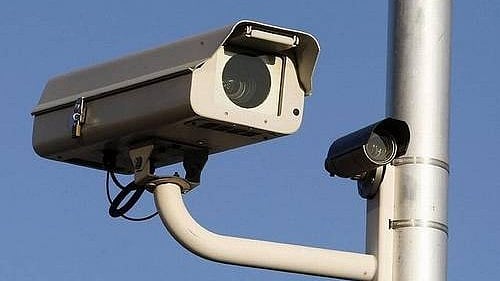
Pune: The city is set to strengthen traffic enforcement with the rollout of AI-based cameras under the Intelligent Traffic Management System (ITMS), which will soon be installed at nearly 500 locations. Additional Commissioner of Police Manoj Patil said that most traffic violations will result in automatic e-challans, with nearly 99% expected to be issued by the system.
The AI-enabled cameras will detect violations in real time using automatic number plate recognition. Offences such as signal jumping, speeding, wrong-side driving, lane cutting, illegal parking, and not wearing helmets or seat belts will be captured. E-challans with photo or video proof will be sent directly to vehicle owners through SMS or online platforms.
Speaking at the Pune Social Impact Dialogue organised by the Software Exporters Association of Pune, Patil said the system aims to ensure strict and consistent enforcement. He noted that when there is certainty of punishment, people are more likely to follow traffic rules.
Patil said Pune’s traffic problems have worsened due to rapid, unplanned growth, outdated planning, and heavy reliance on private vehicles. He pointed out that earlier infrastructure projects were often based on limited data. In one example, a bridge designed for 19,000 vehicles is now handling around 90,000, leading to congestion instead of easing it.
To tackle this, authorities are now moving towards data-based planning. Real-time inputs from platforms like Google Maps and TomTom are being used to improve traffic management.
.jpg)
Pune currently has around 78 lakh vehicles, while only about 7% of the city’s land is used for roads. This has put heavy pressure on road infrastructure. Officials said that several steps are being taken, including improving 32 major roads, reducing signal delays, removing encroachments, and increasing average travel speed. Smaller works like pothole repairs, better road markings, and converting some roads to one-way are also in progress.
Patil added that driver behaviour remains a major issue. He said that nearly 99% of traffic congestion is linked to rule violations. Along with stricter enforcement, there is also a need for people to change their driving habits. He also stressed the importance of increasing public transport use, which is currently around 11%, and promoting development around metro routes to reduce travel distances.
The new ITMS system is expected to bring more discipline to roads and make enforcement more transparent and harder to avoid.

