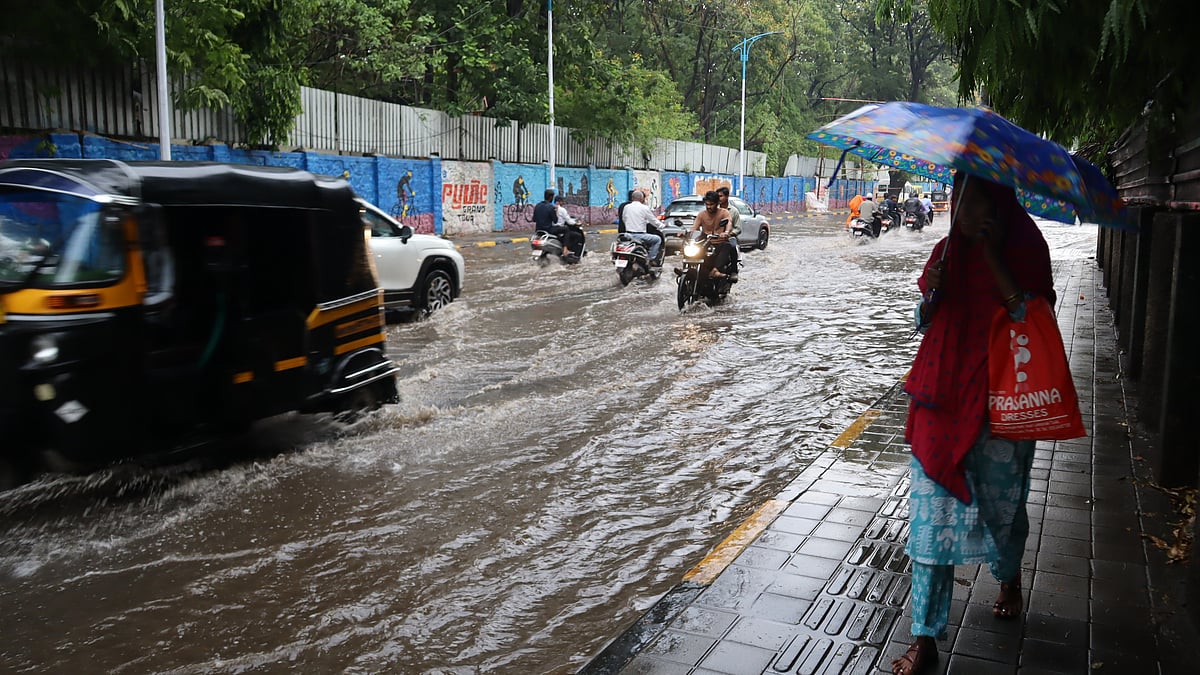
The Pune Municipal Corporation (PMC) has decided to halt cement concreting on roads narrower than nine metres, following severe waterlogging across the city. The move comes after mounting public criticism and repeated instances of rainwater entering homes, shops and parking areas.
Municipal Commissioner Naval Kishore Ram announced the decision, directing city engineer Aniruddha Pawaskar to implement the shift. Asphalt surfacing will be prioritised for internal roads between 7.5 and 12 metres in width to improve drainage and reduce flooding.
For over a decade, the civic body aggressively promoted cement roads under the belief that they ensured durability. However, these non-porous surfaces have prevented rainwater from seeping into the ground, leading to widespread water accumulation during heavy rainfall. The recent unseasonal showers bear the consequences, with several neighbourhoods witnessing roads turning into streams and water entering residential and commercial spaces.

Pune has nearly 900 km of internal roads within the 6–12 metre width range. Most of these lack adequate stormwater drainage infrastructure, causing rainwater to flow rapidly across surfaces and into low-lying areas. The problem was particularly evident during recent downpours, which resulted in flooding of parking basements and housing societies, leading to significant financial losses for residents.
Cement concrete roads cost approximately ₹6,000 per square metre, compared to ₹4,500 for asphalt roads. Despite higher costs and maintenance challenges, concrete roads were widely implemented, raising questions among citizens about planning priorities.
Critics argue that road construction in the city has often ignored essential components such as proper drainage systems, pedestrian pathways and side margins. In many cases, new concrete layers were simply laid over old roads without rebuilding the base, worsening water stagnation issues.
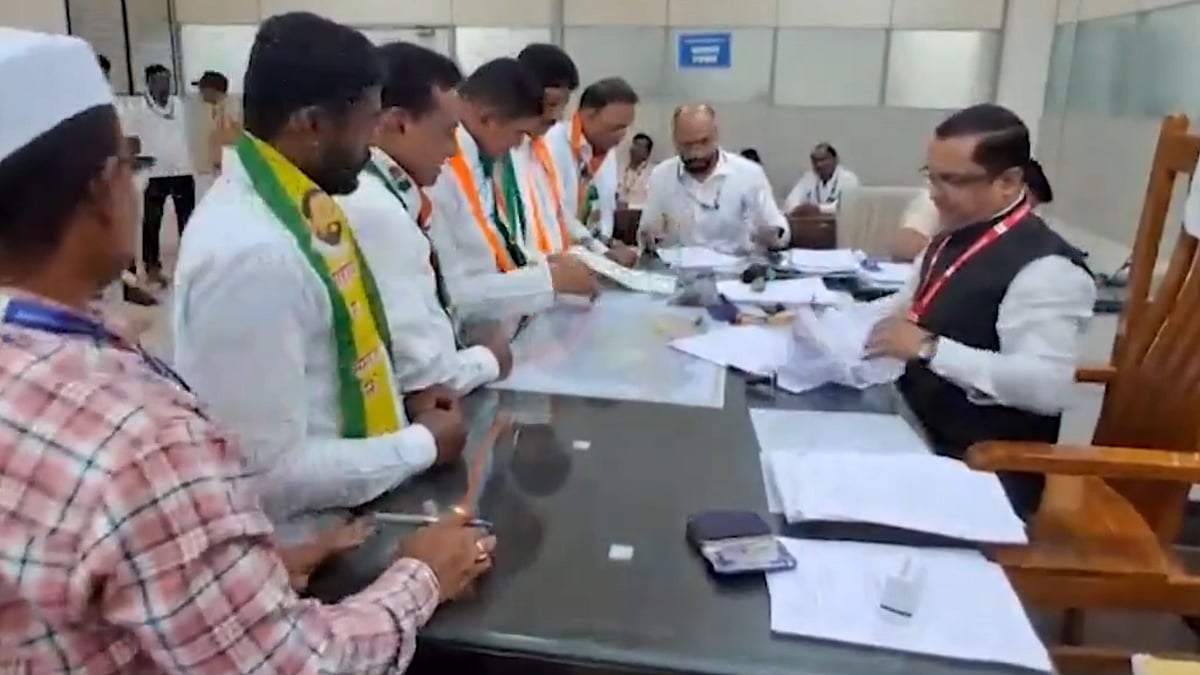
The decision has also revived long-standing allegations regarding higher “percentage cuts” in approvals for concrete road projects under specific funding categories. Observers claim that financial considerations may have been prioritised over long-term urban planning and public welfare.
Frequent excavation for utilities such as water pipelines, sewage lines, electricity and internet cables has compounded the issue. Repairing concrete roads after such digging is both expensive and inefficient. In many areas, roads remain in poor condition shortly after being restored, leading to repeated expenditure of public funds.
Ground reality of city roads:
Asphalt roads: 900 km
Concrete roads: 400 km
Undeveloped roads: 100 km
Roads in merged villages: 700 km

