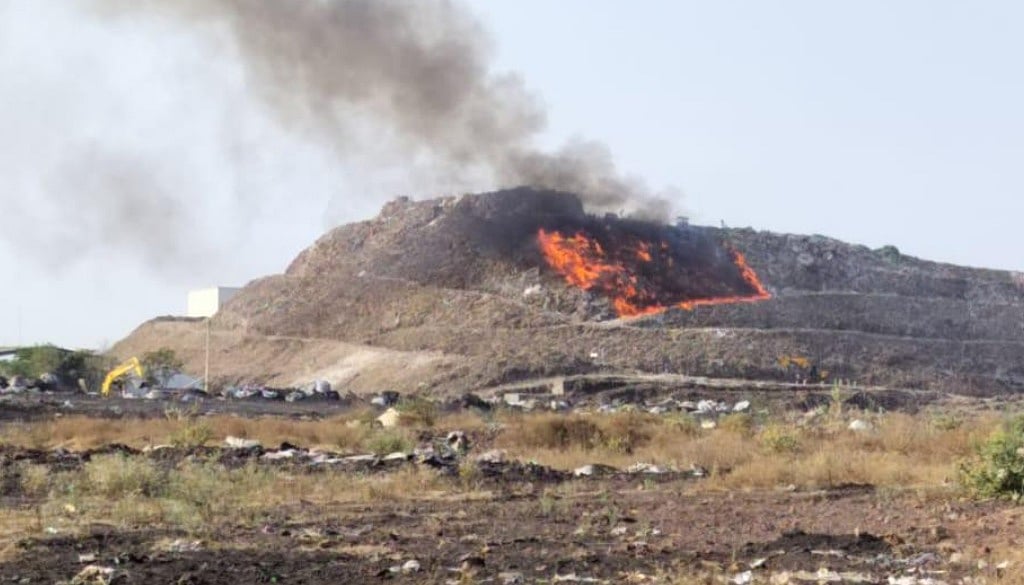
Pimpri-Chinchwad: Things are getting tough in Pimpri-Chinchwad city, as the effective disposal of garbage remains a major concern yet to be solved by the Pimpri-Chinchwad Municipal Corporation (PCMC). As the Moshi Garbage Depot has reached its capacity and no new developments have occurred for an alternative location, the civic body is struggling to dispose of the tonnes of garbage that accumulate in the city daily and continues to overfill the existing Moshi depot.
PCMC has started multiple initiatives and measures to clear the trash mountains in the Moshi depot, but they have proven insufficient. PCMC officials have stressed the need for a new garbage depot in the city; however, it's becoming tough to find a place for it. With previous plans now history, as they were forced to be cancelled, PCMC officials have started a survey of the potential site for the garbage depot, in or near the corporation's limits.
India’s garbage problem is huge: urban areas generate tens of millions of tonnes of municipal solid waste every year, and a significant portion of it is not treated scientifically before disposal. Even with policies like the Swachh Bharat Mission and Solid Waste Management Rules, many cities -- including Pune and Pimpri-Chinchwad -- struggle with infrastructure, segregation, and processing capacity, leaving large amounts still dumped or untreated in landfills.
Moshi Depot's Many Problems
The Pimpri-Chinchwad city, which spans 181 square kilometres, has crossed the population of 30 lakhs. Along with many problems, including pollution and the general deterioration of quality of life due to the growth of the population, waste generation and its improper disposal remain major problems too. The city generates 1,300 tonnes of waste daily on average. This includes wet, dry, hotel, vegetable market, and biomedical waste. This amounts to 40,000 tonnes per month and a staggering 4.8 crore tonnes annually. Waste is collected from across the city via "Ghanta Gadis" (waste collection vans) and deposited at the 81-acre site in Moshi.
According to available details, waste has been dumped here since 1991. Over 34 years, the garbage has occupied 25 acres of the site, creating massive hills of trash. Residents in the vicinity face a constant stench, and every summer, fires break out in the depot, adding to the air pollution.
“Even waste from distant areas like Tathawade, Punawale, and Wakad within the city limits is brought to Moshi. To manage the volume, PCMC has started generating electricity from dry waste, composting wet waste, and producing fuel and plastic blocks from plastic waste for industrial reuse. However, these measures are falling short, and the trash mountains remain,” noted a PCMC official.

Executive Engineer Yogesh Alhat from PCMC’s Environment Department said, "All waste from the city is collected and brought to the Moshi depot. Projects like waste-to-energy and composting are being implemented to reduce the volume. However, the city is in desperate need of a second garbage depot."
Because the Moshi depot has reached its limit and the city is expanding rapidly, the PCMC administration insists that a new site is necessary. Recognising future needs, the Corporation had reserved Maharashtra Forest Department’s 26-hectare land in Punawale for a depot back in 2008. However, the corporation failed to take possession of the land for 17 years, leading to the cancellation of the reservation in the new development plan.
Punawale Reservation Cancelled Due to Growing Opposition
In 2008, the PCMC reserved land for a garbage depot in Punawale village, located near the Katraj Dehu Road Bypass section of the Mumbai-Bengaluru National Highway. However, they made no effort to acquire it for 17 years. Due to the natural environment and proximity to the Hinjawadi IT Park, educational hubs and good connectivity to the national highway, the area became a preferred residential zone.
PCMC remained oblivious to the population growth as large housing projects were built. By the year 2020, the population had grown to over 1 lakh. In 2023, when the PCMC administration moved to start the depot, residents protested fiercely. Following this intense opposition, the administration cancelled the Punawale depot reservation in the Draft Development Plan.
The proposed depot area was the forest area near the Kate Wasti in Punawale. The area is surrounded by many old and ancient trees, and both the locals and newly arrived people were attached to it. Residents in Punawale protested strongly against the PCMC’s plan to set up a garbage depot on forest land, fearing health, environmental and property impacts.
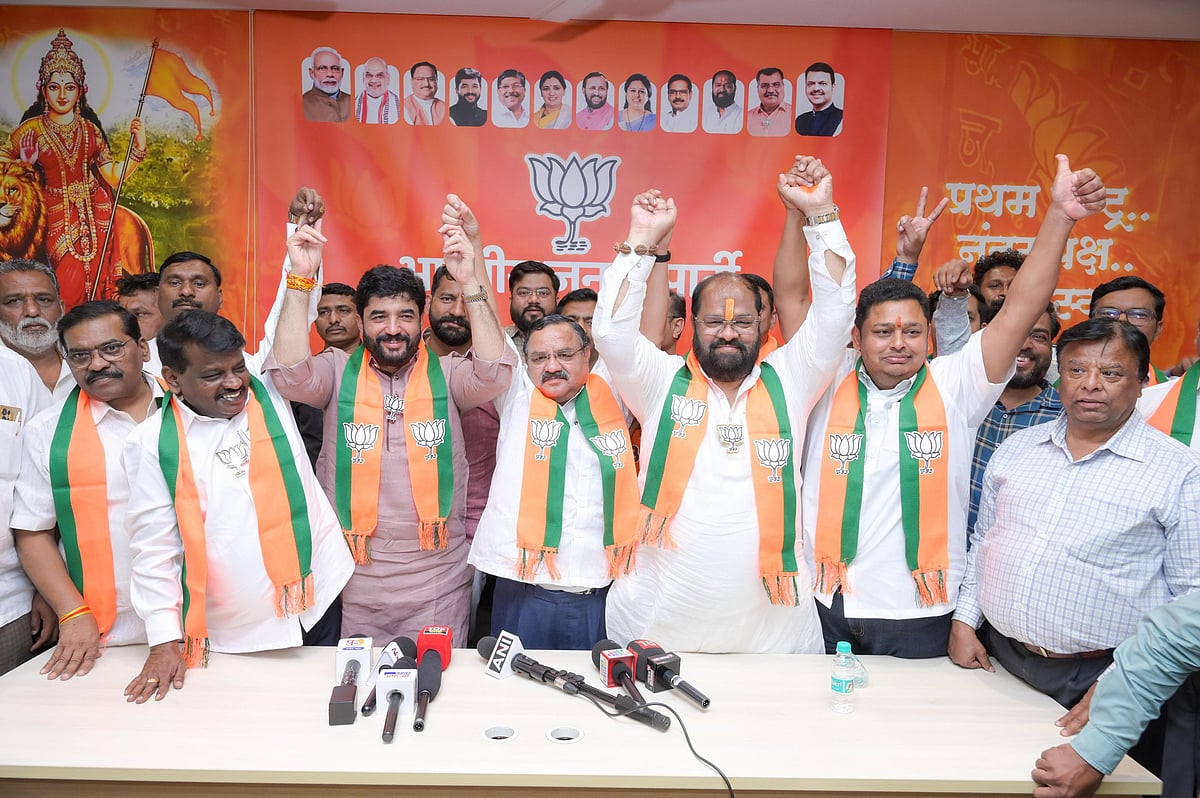
Hundreds joined coordinated bike rallies and a “Chipko” tree-hugging movement through Punawale and neighbouring areas, shouting slogans against the project. Citizens also organised silent demonstrations with banners and hoardings at key junctions to voice their opposition to the depot proposal. Their sustained agitation, including legal objections and public rallies, eventually led PCMC to withdraw the garbage depot plan and repurpose the land for other development. This was announced in the winter session of the Maharashtra Legislative Assembly by the Cabinet Minister Uday Samant.
Serious Problems Of PCMC’s Garbage & Steps Ahead
- Overflowing Moshi landfill: The city’s sole landfill is beyond capacity; PCMC needs to finalise land for a second site and accelerate approvals for a new engineered landfill or a Materials Recycling Facility (MRF) hub.
- Irregular household collection: Patchy door-to-door pickup leaves garbage piling in public spots. Improvement requires route mapping, GPS-tracked vehicles and ward-wise accountability.
- Low segregation at source: Mixed waste overwhelms systems, and scaling up mandatory segregation, awareness drives, and fines for violations is a crucial step.
- Hazardous waste backlog in Bhosari MIDC: No local treatment plant forces industries to struggle. PCMC does not operate a hazardous waste processing plant in the MIDC. Instead, entrepreneurs are urged to send waste to a private company's plant in Ranjangaon. However, that plant has low capacity and lacks the infrastructure to collect the volume of waste generated.

- Illegal dumping & burning: Construction debris and plastic are dumped in open areas. Environmentalists stress that 24/7 surveillance, quicker fine recovery and community monitoring are needed to deter repeat offenders.
Processing capacity gap: Bio-methanisation units and compost plants run below potential. It has been demanded that the PCMC administration must upgrade capacity, audit contractors, and integrate private recyclers to close the loop.
- PCMC’s waste management initiatives: The civic body plans to enhance garbage collection timings and focus on 80 identified sanitation hotspots. It also plans to increase collection frequency, enforce penalties for open dumping and carry out beautification drives to discourage littering.
- Two new projects by the civic body: PCMC has prepared two disposal plans at the existing Moshi site, which include a bio-CNG processing plant for household wet waste and a 27-megawatt waste-to-energy project to convert dry waste into power, both aimed at reducing the city’s landfill burden.

