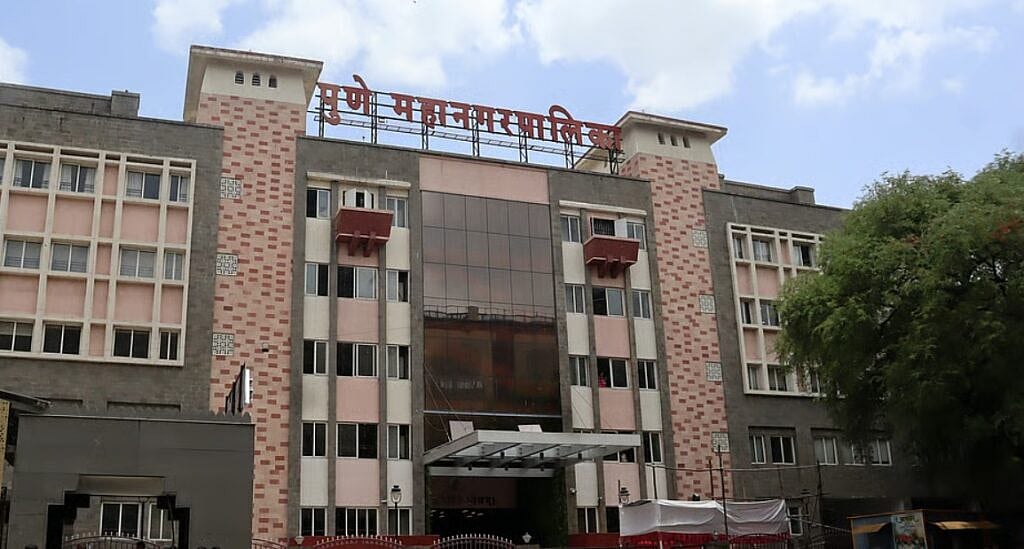
Parisar, a city-based NGO, has highlighted significant gaps in the Pune Municipal Corporation’s (PMC) grievance redressal mechanism for pedestrian-related footpath complaints, despite the system showing initial promise.
The NGO conducted a structured 15-day exercise under its ‘My Walk My Right’ campaign between February 20 and March 16, 2026. The initiative involved lodging footpath-related complaints across five wards using three official PMC platforms: Twitter, the WhatsApp Bot and the PMC Care mobile application.
The exercise was carried out in line with a Government Resolution issued on November 10, 2025, following directives from the Supreme Court of India, which mandates that complaints related to pedestrian infrastructure, including footpaths and encroachments, must be resolved within 15 days, with provisions for automatic escalation in case of delays.
According to reports, Pune records nearly 120 pedestrian deaths annually, underscoring the urgent need for safe and well-maintained footpaths.
During the campaign, a total of 302 complaints were filed. Of these, 114 have been resolved, while 59 are currently in progress. However, only 23 complaints were addressed within the stipulated 15-day period. The report also notes that the escalation mechanism was not consistently implemented in cases where complaints remained unresolved beyond the deadline.
Platform-wise analysis revealed several shortcomings. On Twitter, where a token number is expected within a few hours of complaint registration, 48 out of 86 complaints did not receive any acknowledgement. While Twitter and the PMC Care app allow users to upload photographs, the WhatsApp Bot currently lacks this feature, limiting the submission of visual evidence. Additionally, the automatic escalation of pending complaints was rarely observed in practice.

Parisar has submitted its findings to the PMC along with key recommendations. These include making it mandatory to upload photographic proof while closing complaints, ensuring strict adherence to the 15-day escalation rule, and conducting monthly reviews of complaints by ward officers.
Paornima Gabhale, Program Associate at Parisar, who led the exercise, said the findings indicate a disconnect between complaint registration and effective resolution. “While the systems are accessible and issues are being taken up in some cases, delays, incomplete responses, and process limitations reduce their effectiveness for citizens,” she said.
