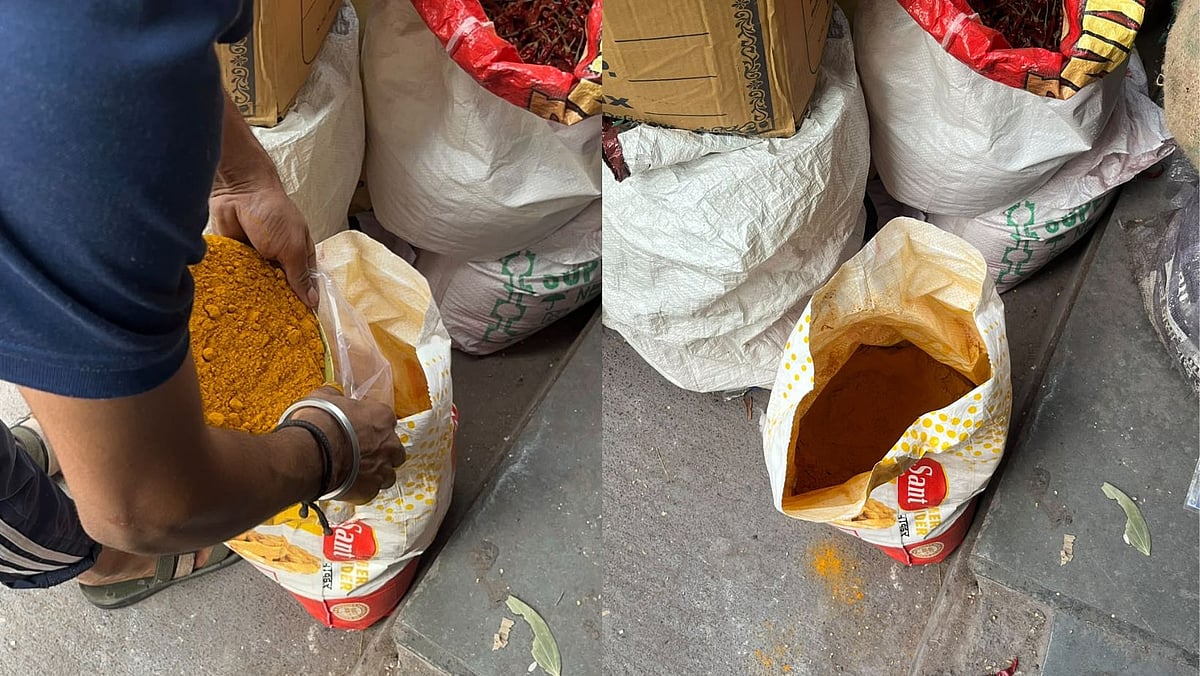
Pune: Despite a ban on the sale of loose spice powders, turmeric and red chilli powder continue to be sold in parts of Pune's Peth markets, with shopkeepers citing low prices, customer demand and existing stock as reasons for continuing sales.
Food and Drug Administration (FDA) Commissioner Tukaram Mundhe issued the statewide order on October 15, directing food businesses to ensure that spice powders and mixed masalas are packed and sealed at the place of production before distribution and sale. The move aims to prevent adulteration, contamination and the use of prohibited colours in spices.
The order covers commonly used spices, including turmeric, red chilli powder, coriander powder, cumin, black pepper and mixed spice powders. It also tightens requirements for hygienic production, storage, labelling and traceability across the supply chain.

The FDA order cites penalties prescribed under food safety law, including fines of up to ₹10 lakh and imprisonment in applicable cases. The precise punishment depends on the nature of the violation and the relevant legal provision; the maximum penalty should not be interpreted as an automatic punishment for every instance of loose-spice sales.
The FDA’s action follows concerns over adulteration, including the use of prohibited industrial colours and substances such as brick powder, chalk and sawdust to increase the quantity or weight of spices. Exposed products can also be vulnerable to contamination when handled or stored in unhygienic conditions.
Loose spices continue to attract buyers
A visit to Pune’s Peth markets found loose turmeric and red chilli powder still available for purchase. The products are popular among customers seeking lower-cost alternatives to branded, packaged spices.
Loose masalas were being sold at around ₹120 for half a kilogram, while branded alternatives were priced at approximately ₹130 to ₹150 for the same quantity. Although the difference is relatively small, shopkeepers said price-sensitive customers continue to prefer loose spices.
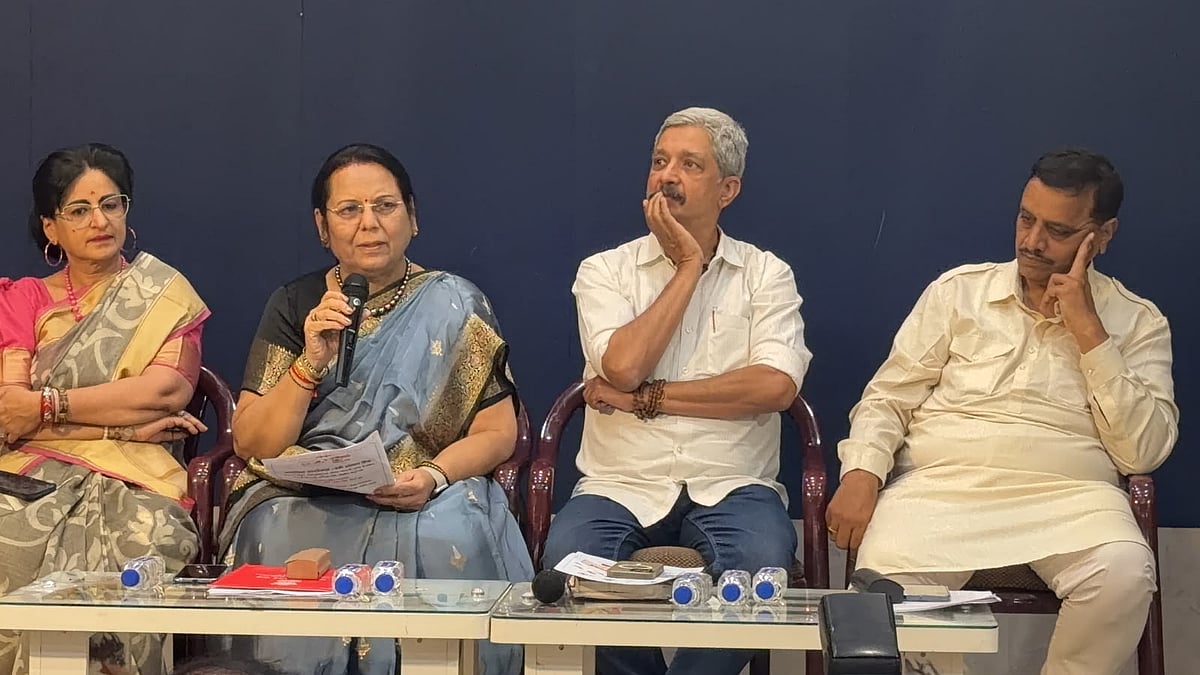
Raju Ramesh, a shopkeeper in one of the Peth markets, said, “Loose masalas sell quickly because customers find them cheaper than branded products. Many people have been buying these spices from local shops for years and prefer their taste. We also have existing stock that we want to clear.”
Gaurav Pandit, another shopkeeper, said, “Not everyone can afford branded spices regularly. Customers come here because they can get turmeric and chilli powder at a lower price. For many households, even a small difference in price matters.”
Pandit added, “We already have stock purchased before the new order. Stopping sales immediately would affect our business. We need clarity on how the remaining stock should be handled and how small retailers are expected to shift to packaged products.”
Snehal Kumar, another shopkeeper, said, “There is demand for loose masalas because customers can buy them in smaller quantities. If everything has to be sold in packets, some customers may have to spend more than they planned. However, we will have to follow the rules and understand the options available to us.”

Customers flag hygiene concerns but cite affordability
The price advantage comes with concerns about quality and hygiene. During the market visit, loose turmeric was seen being handled from an open bag. The absence of gloves or masks during handling can raise questions about food hygiene, although the photograph alone cannot establish contamination or adulteration.
Pooja Shinde, a customer purchasing loose turmeric, said affordability often takes priority over concerns about quality. She also pointed to the flexibility of buying only the quantity required, rather than purchasing a larger packet.
Shinde said, “Loose turmeric is cheaper, so we buy it. Sometimes the quality is not consistent, and the taste is not always good. There are also hygiene concerns when spices are kept open and handled with bare hands. But branded products cost more, and we cannot always afford them. Here, we can buy only the quantity we need instead of purchasing half a kilogram or one kilogram at a time.”

