
Mumbai: A government-appointed inquiry committee, headed by Additional Chief Secretary (Revenue) Vikas Kharge, has not held Parth Ajit Pawar directly responsible for the controversial Pune land deal that rocked the state. However, it has indicted his cousin, Digvijay Patil, terming the transaction “illegal and criminal”.
In its 4,392-page report, the seven-member panel has recommended stringent action against government officials involved in executing the sale deed. It has also held Sheetal Tejwani, the power-of-attorney holder for the tenants, responsible for the illegal sale. Regarding Parth Pawar— who holds 99% equity in M/s Amedea Enterprises—the committee said it could not examine the firm’s financials and recommended that the matter be probed by the police.

Revenue Minister Chandrashekhar Bawankule tabled the report in the State Assembly on Wednesday, the final day of the Budget Session. The committee concluded that both state officials and private individuals involved in the transaction of the 40-acre land parcel in Mundhwa, near Koregaon Park, bear responsibility. It stressed the need for strict action to prevent similar violations in future. The panel sharply criticised Haveli Tehsildar Suryakant Yeole for allowing M/s Amedea Enterprises to take possession of the land.
It noted that he had also passed an illegal order in a separate Bopodi land case, damaging the state government’s image. The report recommends both administrative and criminal action against him. Dismissal proceedings have been initiated against Yeole and Assistant Sub-Registrar Ravindra Taru, the report said. On stamp duty, the panel noted that M/s Amedea Enterprises has appealed to the Inspector General of Registration and Stamp Duty regarding ₹20.99 crore in duty and a ₹1.47 crore penalty, recommending that a decision be taken within two months.
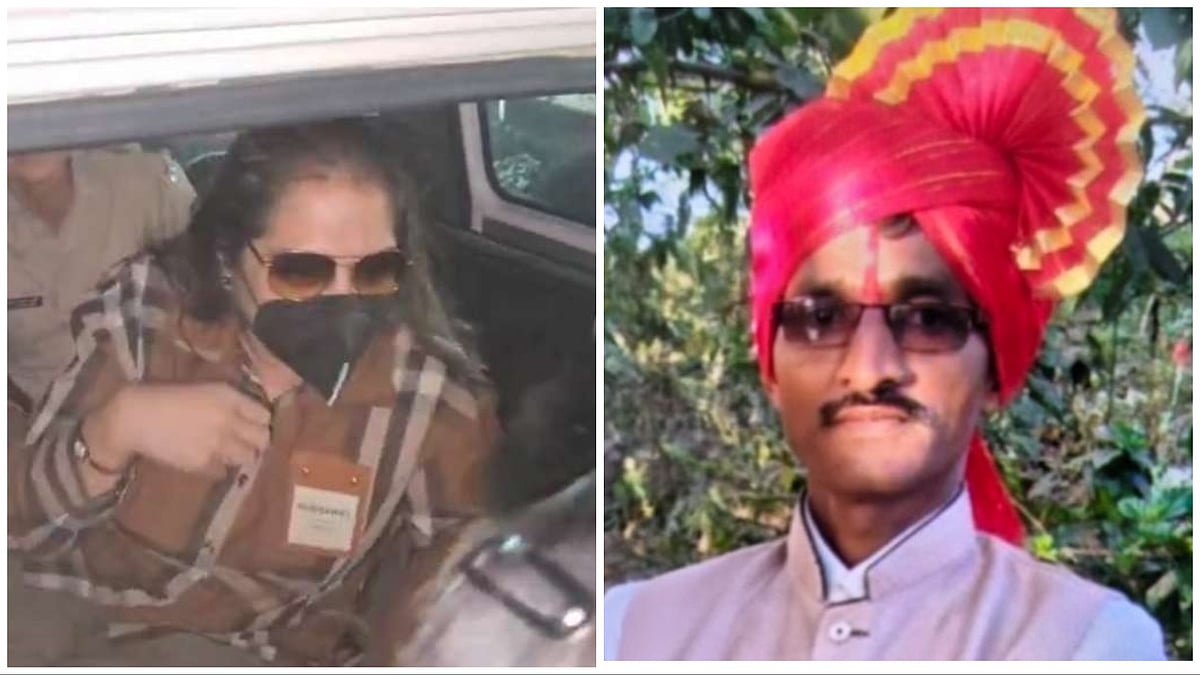
The report found that Sheetal Tejwani, acting on behalf of 271 tenants, sold the land without legal authority. It also held that Digvijay Patil unlawfully purchased government land without authorisation, calling the violations “serious and illegal”. Assistant Joint Registrar Ravindra Taru was faulted for registering the sale deed after waiving ₹21 crore in stamp duty—termed a “grave irregularity”. He allegedly used the “skip” option in the emutation process and incorrectly classified the land as movable rather than immovable property, indicating mala fide intent.
Assistant District Joint Registrar Santosh Hingane was also held responsible for validating the sale deed and waiving stamp duty while directing the firm to pay local body tax and Metro cess, despite the land belonging to the state. City Survey Officer Prakash Dhale was criticised for allowing the addition of seven individuals’ names to land records under “other rights”, another irregularity. The District Industries Officer, Pune, was faulted for issuing a Letter of Intent despite knowing the land belonged to the state and for failing to verify records with the District Collector.

The LoI enabled stamp duty concessions under the Software Technology Parks policy. The committee has asked the Principal Secretary (Industries) to investigate the lapse. The panel also blamed the Botanical Survey of India (BSI) for failing to record its claim in land records, including the 7/12 extract. However, it recommended that the state transfer the land to the central agency after levying occupancy charges.

