
Pune: The dispute over DJs and high-decibel sound systems during Ganeshotsav has intensified, with a citizen-led protest planned in Pune on August 30 amid growing differences between residents seeking strict noise controls and Ganesh mandals demanding greater freedom to celebrate.
100% ban on pressure mid and plasma systems
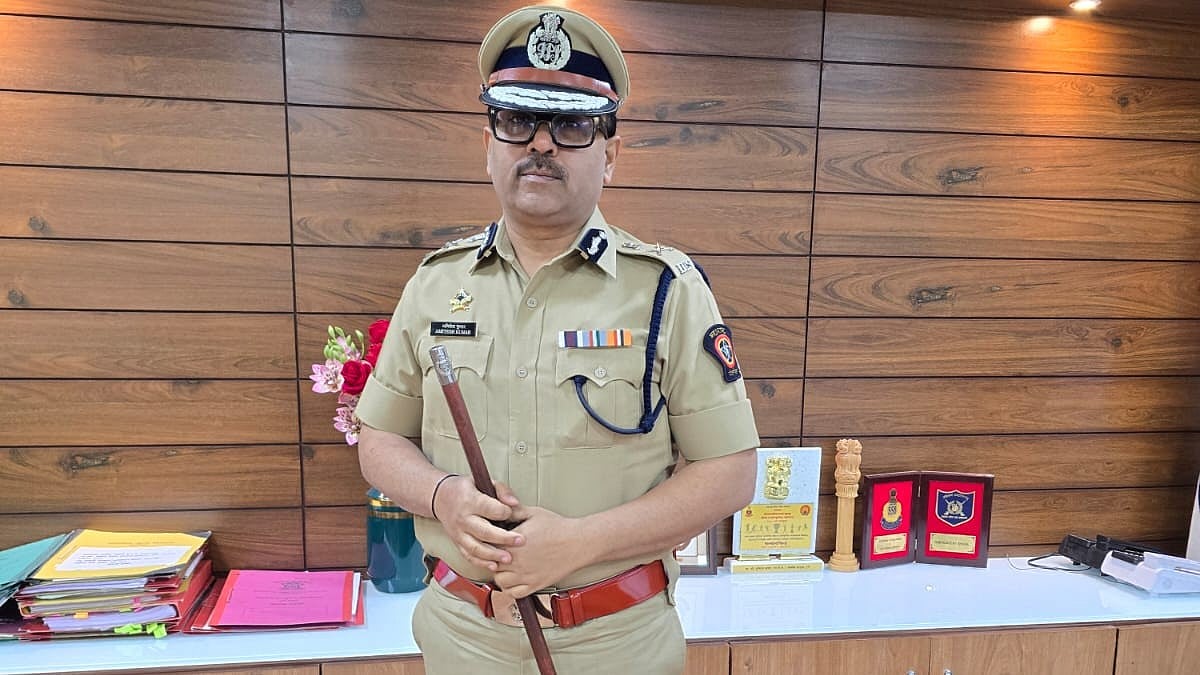
The controversy centres on Pune Police’s decision to prohibit the use of plasma and pressure mid sound systems. Police Commissioner Amitesh Kumar said the restrictions were based on existing noise pollution norms and would be enforced irrespective of political or commercial pressure.
Kumar, while addressing the media on Thursday, said there would be a “100% ban on pressure mid and plasma systems”. He said celebrations would not be stopped, but equipment violating permissible noise limits would face action.

Sound systems seized
Police have already started enforcement. During processions on Wednesday, sound systems were seized at six locations for allegedly using plasma and pressure mid equipment. Police also recorded 148 noise-level violations after conducting more than 1,000 checks.
Ganesh mandals, however, have opposed what they describe as excessive restrictions. At a PMC meeting, representatives demanded permission for four bass and four top DJ systems, use of loudspeakers until midnight and a uniform policy that would not change every year. They also sought a single-window system for permissions involving civic authorities and police.
Kulkarni supports
The political debate has added another dimension to the issue. Union Minister and Pune MP Murlidhar Mohol, while addressing the media, stressed the cultural and social character of Pune’s Ganeshotsav and said the festival should not be reduced merely to loud DJ music.
BJP Rajya Sabha MP Medha Kulkarni has supported stricter enforcement of noise pollution rules. She said there were already clear court directives and regulations, but the major issue was implementation. She also argued that residents should not be forced to leave Pune during the 10-day festival due to excessive noise.
Kulkarni said the issue should not be limited to Ganeshotsav and that noise pollution during all festivals should be examined. The Parliamentary Standing Committee on Science and Technology, Environment, Forests and Climate Change, which she chairs, is scheduled to examine noise and light pollution on September 9 and may make recommendations to the Union Environment Ministry.
Meanwhile, opposition to loud DJs among citizens is growing. An online petition seeking restrictions on loud DJ music during Ganeshotsav has received support from more than 23,000 citizens within two days. Citizens have argued that elderly people, children and other residents should not be forced to bear excessive noise during the festival.

The issue has also highlighted differences over what constitutes a traditional celebration. While mandals have argued that restrictions should not selectively target DJs and have questioned different standards for public events, residents and activists have maintained that celebrations cannot override existing noise pollution regulations.
Against this backdrop, citizens and activists opposing high-decibel DJ systems are expected to hold a protest in Pune on August 30. The demonstration has been called to demand strict implementation of noise pollution norms during Ganeshotsav and an end to the use of excessively loud DJ systems.
The protest is scheduled at Goodluck Chowk at 11am, with another gathering planned at Abhinav Chowk at 10.30am.

