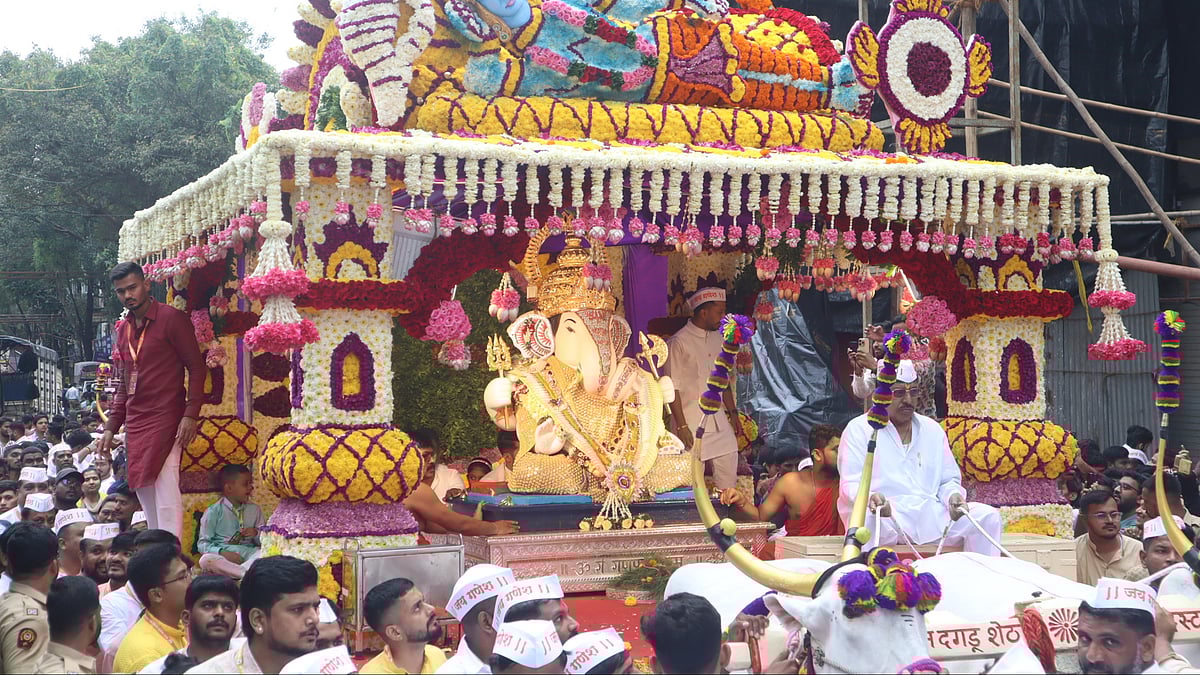
Pune: Want to visit Pune's most famous Ganpati mandals without spending hours stuck in traffic? The old city's central Peth areas offer a convenient walking circuit covering the five Manache Ganpatis, along with the popular Dagdusheth Halwai and Shrimant Bhausaheb Rangari Ganpati.
The five Manache Ganpatis are spread across a compact part of central Pune, making walking a better option than taking a car or auto from one mandal to another. The traditional order is Kasba Ganpati, Tambdi Jogeshwari, Guruji Talim, Tulshibaug and Kesariwada. Visitors can also add Dagdusheth and Rangari Ganpati to the circuit.
Where should you start?
A good starting point is Kasba Ganpati, the first of the Manache Paach.
The traditional order is:
Kasba Ganpati → Tambdi Jogeshwari → Guruji Talim → Tulshibaug → Kesariwada
These mandals are located in Pune's old city areas. Once visitors enter the central Peth area, most of the route can be covered on foot.
Dagdusheth and Shrimant Bhausaheb Rangari Ganpati can be added before or after the five, depending on the crowd and queue lengths.
The order does not need to be rigid. During Ganeshotsav, crowd movement and barricades can change. Visitors should follow instructions from police personnel and volunteers on the ground.
Metro can make the journey easier
Visitors coming from other parts of Pune can use the Metro and walk to the central Ganpati areas.
Kasba Peth and Mahatma Phule Mandai are useful Metro stations for this circuit. Under normal conditions, both stations are close to Kasba Ganpati and the Dagdusheth area.
However, festival arrangements can affect station entry and exit points. Visitors should check the arrangements at the station before getting off and follow directions given by Metro staff and police.
Once in the old city, walking is usually more practical than repeatedly taking an auto or car.
Add Dagdusheth and Rangari to the route
The five Manache Ganpatis are not the only major attractions in this part of the city.
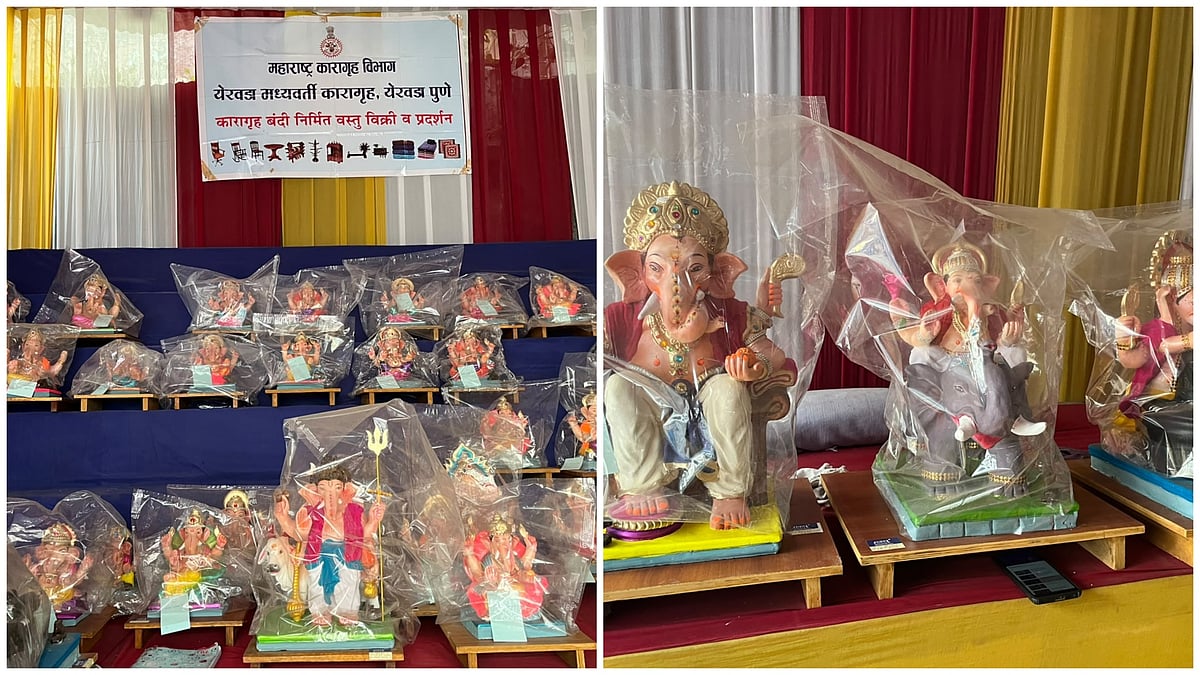
Shrimant Bhausaheb Rangari Ganpati is worth adding for its historical importance. It is part of Pune's long public Ganpati tradition, but it is not one of the five Manache Ganpatis.
The same applies to Dagdusheth Halwai Ganpati. It is not part of the Manache Paach, but remains one of the city's biggest Ganpati attractions.
A practical extended circuit could be:
Kasba Ganpati → Tambdi Jogeshwari → Guruji Talim → Rangari Ganpati → Dagdusheth → Tulshibaug → Kesariwada
However, visitors should change the order based on queues.
Dagdusheth may take the most time because of the large number of devotees. If the queue is very long, visitors can complete the other mandals first and return later.
This year's Dagdusheth attraction is also expected to draw visitors, with the mandal creating a replica of Vrindavan's Prem Mandir as its pandal.
Follow barricades instead of Google Maps
First-time visitors may find the narrow Peth lanes confusing. However, they do not need to know every street to complete the route.
Police, volunteers, barricades and signboards will guide devotees through the designated areas.
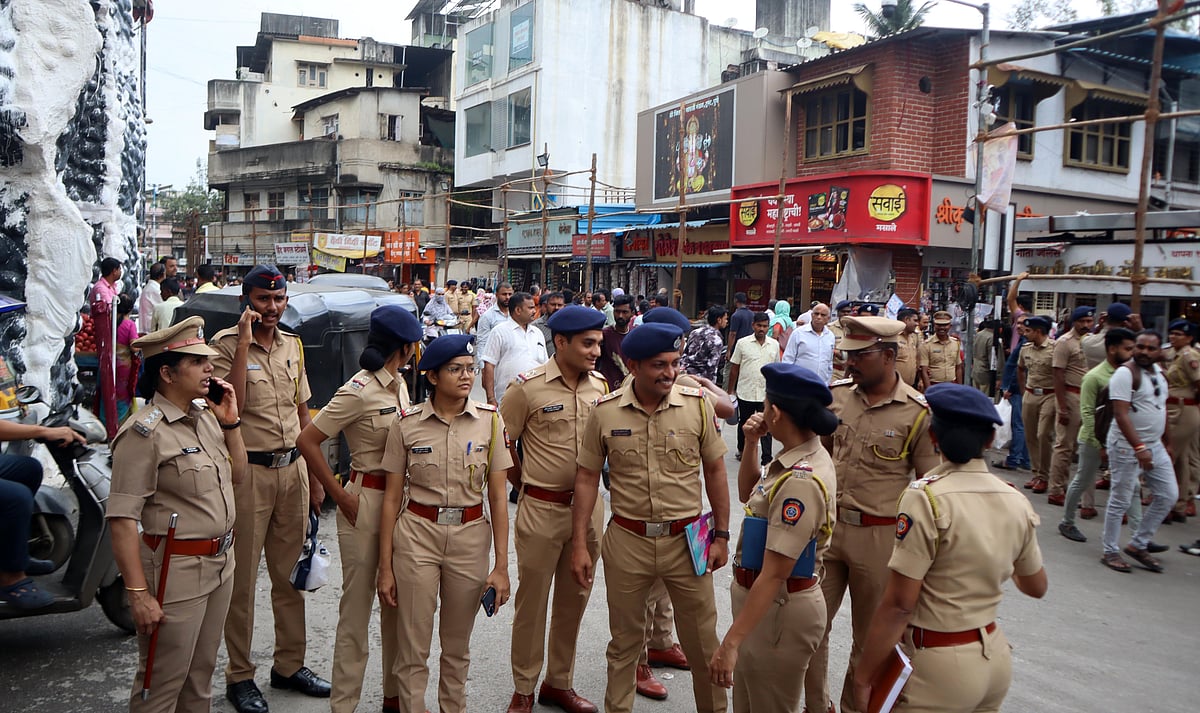
Pune Police have also made extensive security arrangements for Ganeshotsav. Personnel have been deployed around major mandals, crowded areas, Metro stations and PMPML stops. AI-enabled cameras are being used to monitor crowds and security.
Visitors should therefore follow the directions given by police and volunteers rather than blindly following a regular navigation route.
Pedestrian movement can be changed during peak hours or major procession-related activity.
Avoid driving into the core city
Driving into the central Peth areas during Ganeshotsav is likely to be difficult and mostly impossible. Roads are closed and traffic is diverted in most areas having big Ganesh mandals.
Traffic restrictions and diversions are being imposed in parts of central Pune during the festival. Parking close to the major mandals can also be difficult.
The easier option is to park outside the crowded core and use the Metro or walk from a suitable point.
Two-wheelers may also face restrictions or limited parking near crowded mandals.
How much time should you keep?
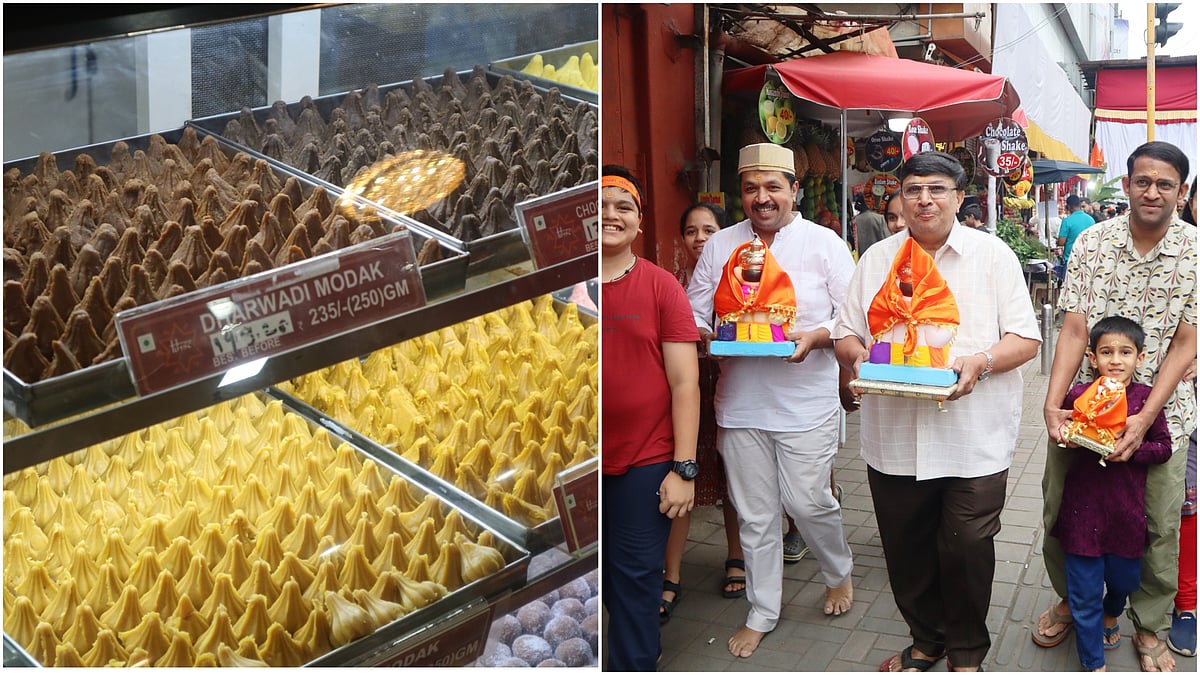
Visitors should keep at least two to three hours for the full circuit.
The actual time will depend on crowd levels and darshan queues. Dagdusheth can add considerable waiting time on busy days.
Starting early can make the experience easier. Comfortable footwear is also important because much of the circuit is best covered on foot.
Quick guide
Best way to travel: Metro and walking
Manache Paach: Kasba Ganpati → Tambdi Jogeshwari → Guruji Talim → Tulshibaug → Kesariwada
Major add-ons: Shrimant Bhausaheb Rangari Ganpati and Dagdusheth Halwai Ganpati
Useful Metro stations: Kasba Peth and Mandai, subject to festival-day access arrangements
Time needed: Around two to three hours or more, depending on queues
Best tip: Avoid driving into the central Peth area and follow police and volunteer directions.
For visitors looking to experience Pune's traditional Ganeshotsav in one outing, the central Peths offer the biggest advantage: several of the city's most important Ganpatis can be covered in a single walking circuit.

