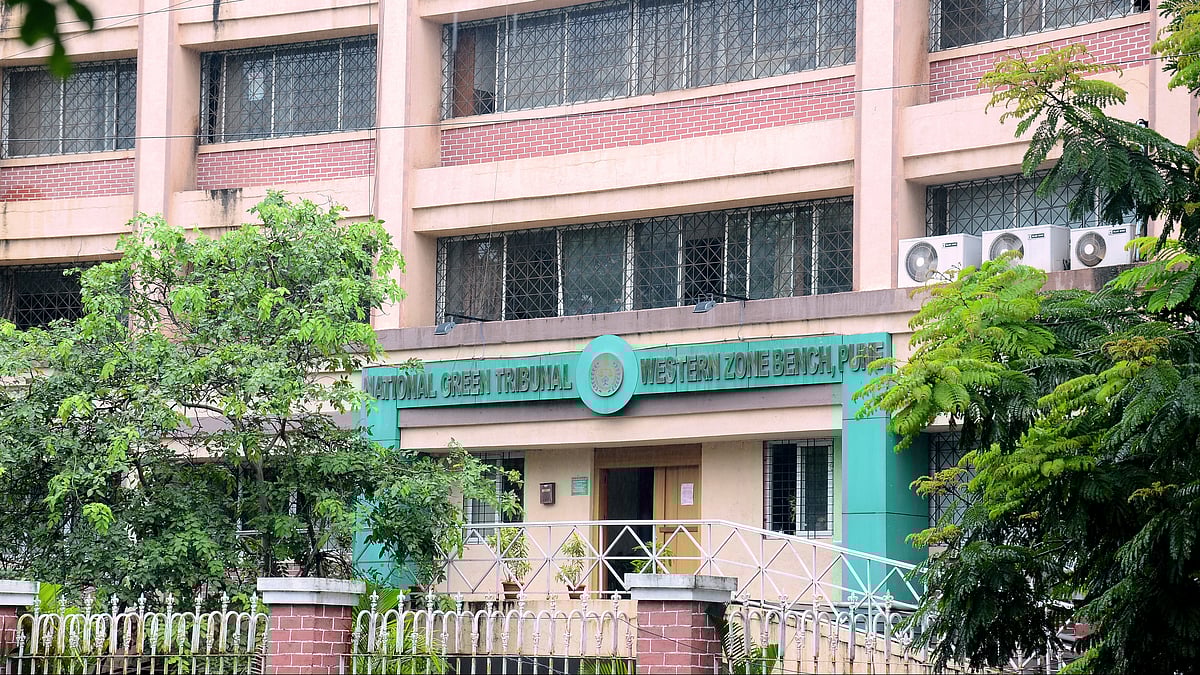
In a significant development in the Pavana river pollution matter, the National Green Tribunal (Western Zone Bench, Pune) has taken serious note of the continued absence of clear timelines and accountability from multiple authorities. During the hearing held on April 6, the Tribunal expressed dissatisfaction over the failure of key respondents to place definitive timelines on record for critical pollution control measures.
Adv Krunnal Gharre, the applicant in the matter, stated that the core concern raised before the Tribunal was the consistent failure of authorities to commit to firm and achievable timelines. He emphasised that the demand was for absolute timelines from all stakeholders, and that if additional authorities were required to be brought on record, the respondents ought to have taken that position proactively. He noted that the impleadment of NRCD marks a step forward in ensuring accountability.

The Tribunal specifically noted that the Pune Zilla Parishad neither appeared before the court nor submitted any timeline for implementation of basic mitigation systems, prompting the Bench to seek an explanation from its Chief Executive Officer. Similarly, the affidavit filed by PMRDA regarding the proposed 14 sewage treatment plants was found to be vague and unclear, with no concrete timelines disclosed. The Tribunal has directed that a fresh affidavit be filed with specific deadlines.
Recognising that execution of these projects is contingent on funding approvals, the Tribunal has impleaded the National River Conservation Directorate (NRCD) as a necessary party to the proceedings.
The Tribunal also took note of the affidavit filed by the Maharashtra Pollution Control Board (MPCB), which identified industries discharging effluents into the Pavana River. However, the Bench found the response inadequate, observing that no details were provided regarding the duration of violations or the calculation of environmental compensation.
.jpg)
Commenting on this aspect, Adv Gharre stated that the MPCB has routinely limited its role to issuing repeated notices without taking effective enforcement action. He pointed out that habitual violators continue unchecked, and that the Tribunal was ultimately compelled to issue specific directions to MPCB to disclose the period of violations and compute the Environmental Damage Compensation.
The matter is now scheduled for further hearing on June 15.

