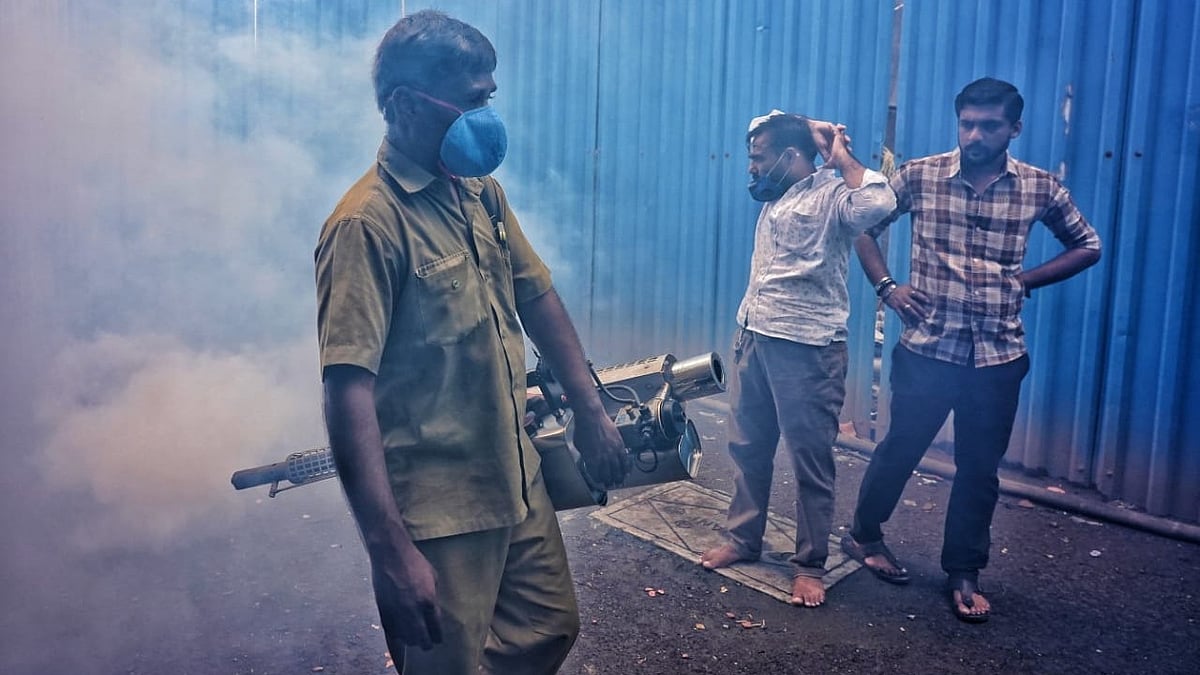
Maharashtra recorded a total of 14,159 dengue cases and 3,439 chikungunya cases between January and December last year, with 21 deaths attributed to dengue, according to the state Health Department. While no dengue-related deaths have been reported in Pune district, the rising number of patients has become a cause for concern among health authorities.
Officials stated that Maharashtra topped the list of mosquito-borne diseases in the country last year. The steady rise in cases, particularly in Pune district, has prompted intensified monitoring and preventive measures.
District Malaria Officer Dr Aparna Patil said that migration is one of the major reasons behind the increase in cases in Pune district. “There are various reasons for the rise in patients, but the biggest factor is the movement of manpower from other states and districts into both urban and rural areas of Pune,” she said.

She further explained that suspected samples in Pune district are tested directly at the National Institute of Virology (NIV). “Each sample is tested for both dengue and chikungunya. If a patient is infected with both diseases, the cases are recorded separately. This method may make the numbers appear higher,” she clarified.
However, officials from the Pune Municipal Corporation (PMC) maintained that dengue cases within city limits have shown a decline. Assistant Health Officer Dr Rajesh Dighe said, “The number of dengue patients in Pune city has decreased by nearly one-third in 2025 compared to 2024. The figures within PMC limits are on the decline.” He attributed the surge in cases to prolonged monsoon conditions and stagnant water, which create ideal breeding grounds for Aedes mosquitoes, the primary carriers of dengue and chikungunya.
Rapid urbanisation and construction activities have also contributed to water stagnation in several areas. Authorities have emphasised the need for strict mosquito control measures, prevention of water accumulation, public awareness campaigns, and timely medical intervention to curb the spread of the diseases.
They have urged the citizens to eliminate stagnant water around their homes and report suspected symptoms such as high fever, joint pain, and severe headache to the nearest health facility immediately.

