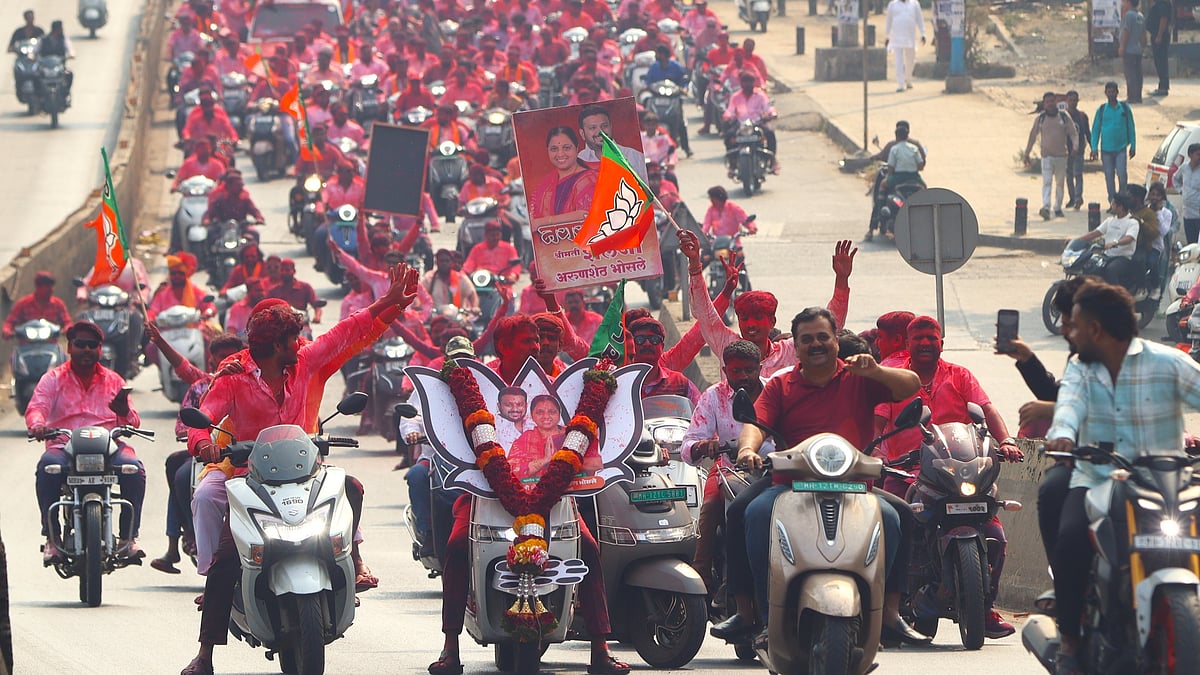
The Bharatiya Janata Party (BJP) on Friday registered a resounding victory in the Pune Municipal Corporation (PMC) elections, securing 119 of the 165 seats. The Deputy Chief Minister Ajit Pawar-led Nationalist Congress Party (NCP) managed only 27 seats, while the Congress won 15. This surpasses the saffron party's 2017 performance, when it first came to power in the city by winning 97 seats.
The victory comes despite Ajit Pawar's aggressive campaign to wrest control of the PMC. The NCP chief had promised free Pune Mahanagar Parivahan Mahamandal Ltd (PMPML) bus services and free Pune Metro rides, but it failed to sway the voters. He had also allied with his uncle Sharad Pawar's NCP-SP to consolidate votes against the BJP, yet the alliance failed to make an impact.
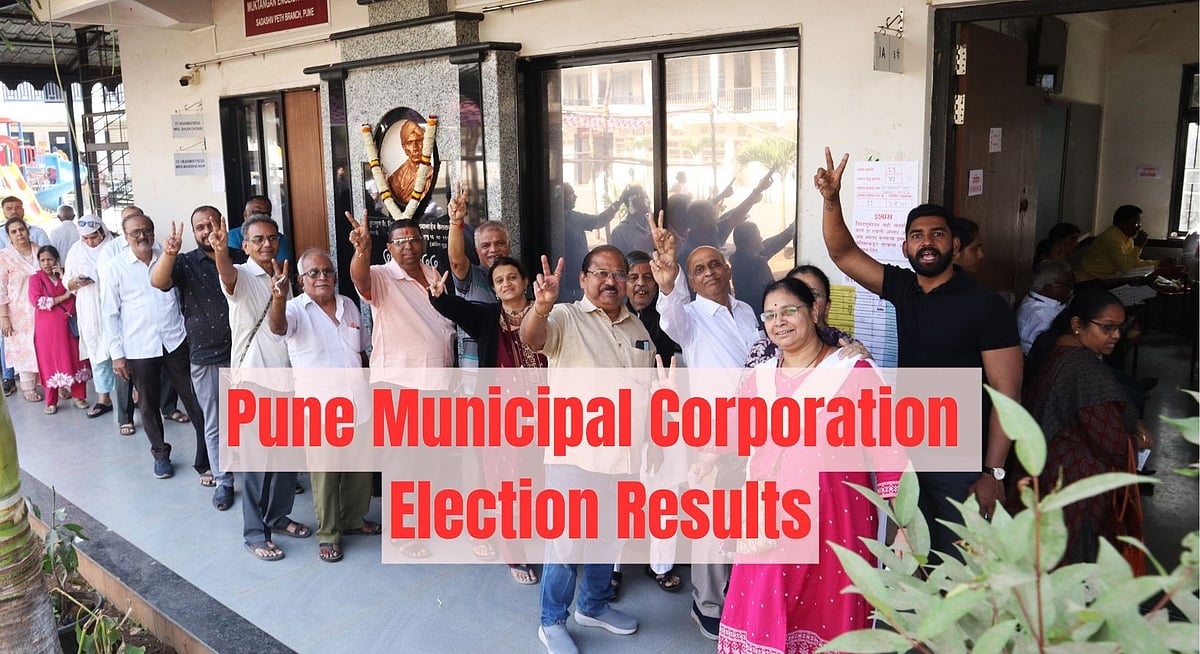
While rejecting the NCP, Pune has once again placed its hopes on the BJP. Now, it's the party's turn to deliver. The people expect tangible outcomes. Better infrastructure, efficient public transport, improved civic amenities, transparent governance and prompt solutions to long-standing issues, such as traffic congestion, water supply and waste management, are urgent necessities.
In its manifesto, the BJP announced several sops, including concessions in fares for women in metro rail and city bus services, exemption in taxes for all residential properties in the city measuring under 500 sq ft, and free annual health check-ups for citizens above 30 years. But, from the development perspective, its other promises carry greater significance. These include ensuring footpaths are free of encroachment, taking action against illegal hoardings that spoil the city’s skyline, development of all city lakes to position Pune as a 'lake city', improving existing roads, constructing a 54-km network of underground roads, and extension of the Khadakwasla-Kharadi Metro line up to the airport.
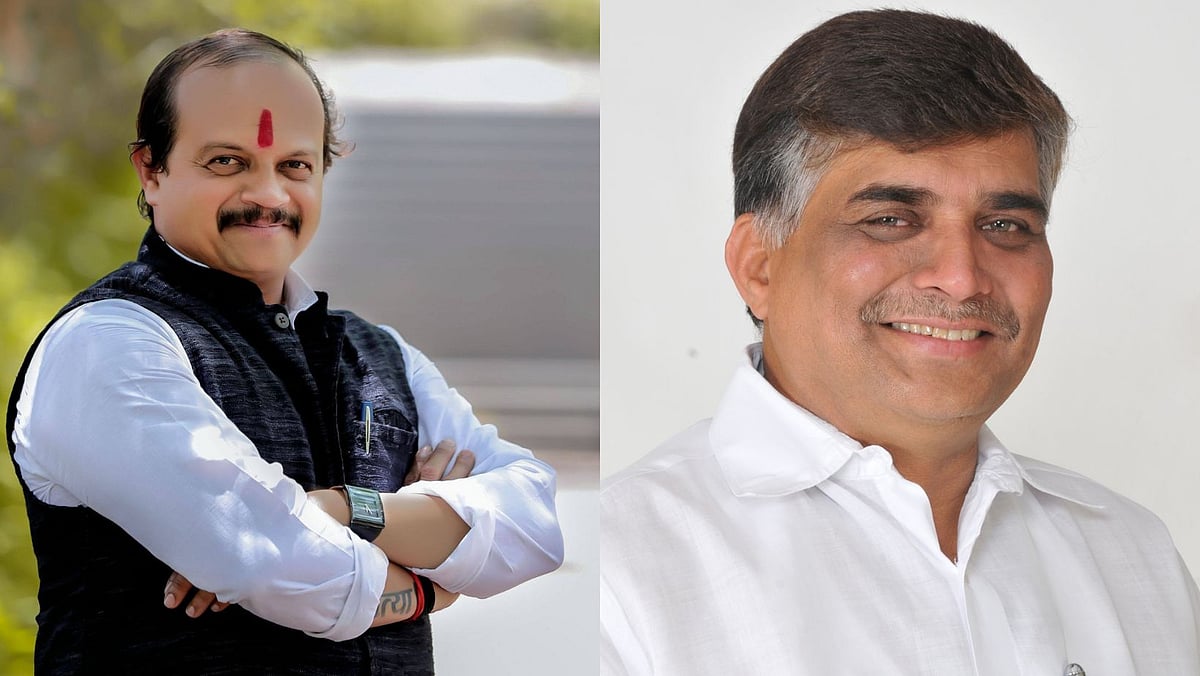
Meanwhile, this massive mandate leaves the BJP with no room for excuses. The party controls not just the civic body but has absolute power at every level of governance. Pune has six BJP MLAs, including two ministers in the state government. It also has a member in the state legislative council. Its Lok Sabha MP is a Union Minister, and the city is also represented in the Rajya Sabha. With power so firmly consolidated, citizens expect faster decision-making, smoother coordination between agencies and time-bound execution of projects. The focus must shift from announcements to implementation and from political rhetoric to results on the ground.
Pune is a fast-growing city with mounting pressure on its infrastructure and environment. How effectively the BJP uses this unprecedented mandate over the next five years will determine whether the city evolves into a well-planned, citizen-friendly urban centre or continues to grapple with the consequences of unplanned growth.

