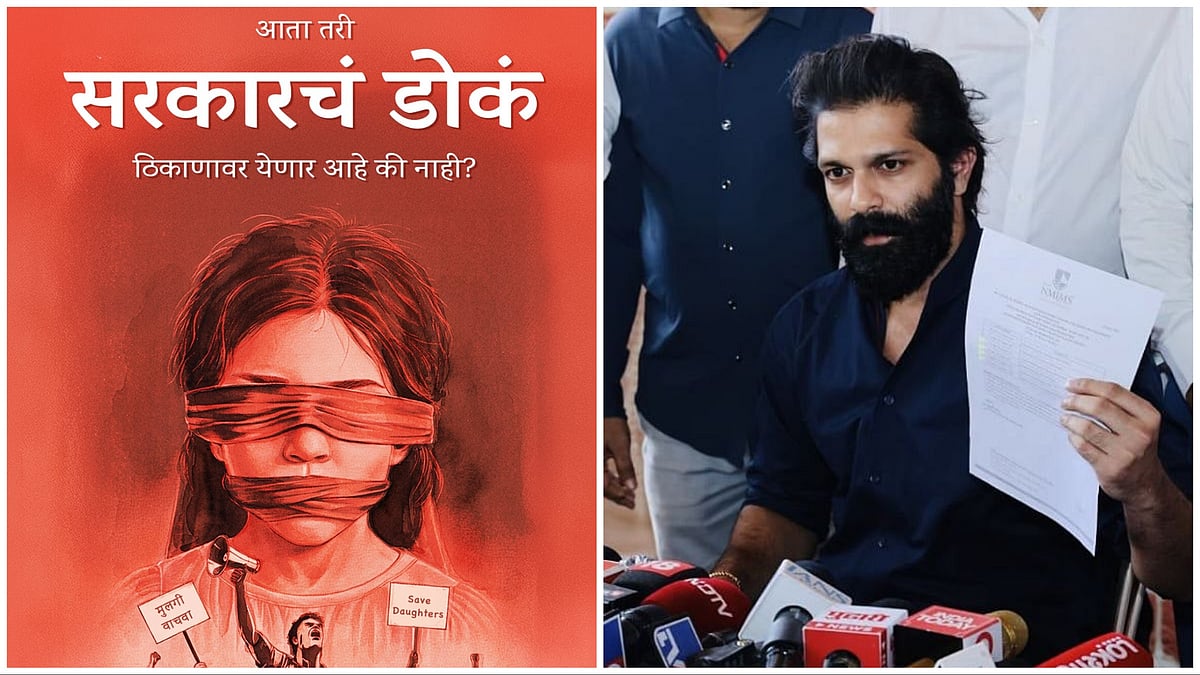
Pune: The horrific sexual assault and murder of a three-and-a-half-year-old girl in Nasrapur, Pune district, has triggered widespread outrage across Maharashtra, with growing demands for swift and severe punishment for the accused.
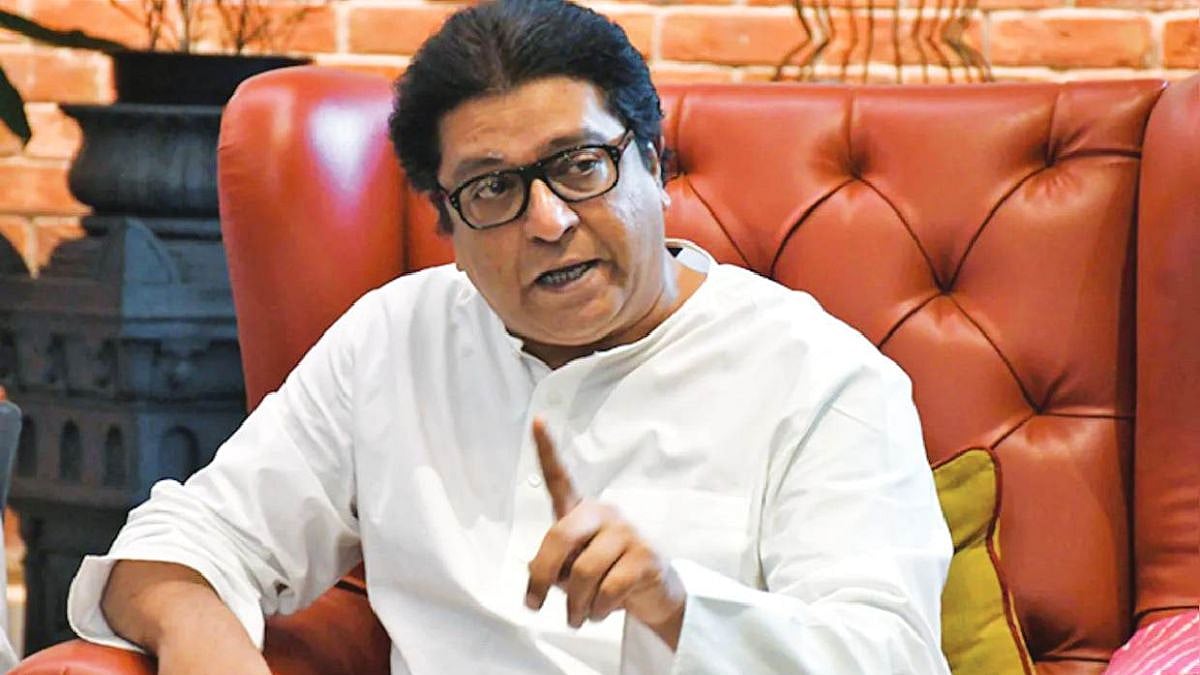
Amid this backdrop, Raj Thackeray, chief of the Maharashtra Navnirman Sena, delivered a strongly worded response on Facebook on Tuesday, calling for the harshest possible action against the perpetrator -- even suggesting that punishment should not be constrained by legal considerations.
Thackeray questioned the government’s repeated assurances of “fast-track” action, asking what the term truly means in practice. He criticised what he described as a reactive approach, where authorities act only after such tragic incidents occur.
According to him, crimes involving abduction and exploitation of women and girls have been rising consistently in Maharashtra, indicating a diminishing fear of law and consequences.
He also raised concerns over reports of police action against protesters in Nasrapur, asking why similar urgency is not shown in dealing with perpetrators of such heinous crimes. While acknowledging that the accused would eventually be punished, he stressed the need to examine why such incidents continue to recur.

‘Individuals No Longer Fear Consequences’
Expanding his critique, Thackeray argued that Maharashtra is facing a deeper societal crisis. He said the state, historically known for pioneering women’s education and social reform, is now witnessing a breakdown in accountability and values. He attributed this to what he termed a growing obsession with power across all sections of society, from politics and business to cultural institutions.
According to him, this “power at any cost” mindset has eroded traditional checks and balances. Earlier, he said, social and moral accountability ensured restraint through elders, community pressure, or fear of public shame. That framework, he claimed, has weakened significantly, leading to a situation where individuals no longer fear consequences.
‘Government Should Act Decisively’
Thackeray also pointed to broader cultural and economic shifts. He argued that rapid changes brought by post-1990s liberalisation, combined with the influence of digital media, unchecked consumerism, and exposure to certain types of content, have disrupted the social fabric. In his view, while liberalisation brought opportunities, society failed to adapt its value systems accordingly.
He concluded by urging a comprehensive, long-term response rather than short-term outrage. Emphasising that his party is part of the same society, Thackeray said he would push for corrective measures to restore what he described as Maharashtra’s lost “focus” and "direction" and called on the government to act decisively to prevent such crimes in the future.

