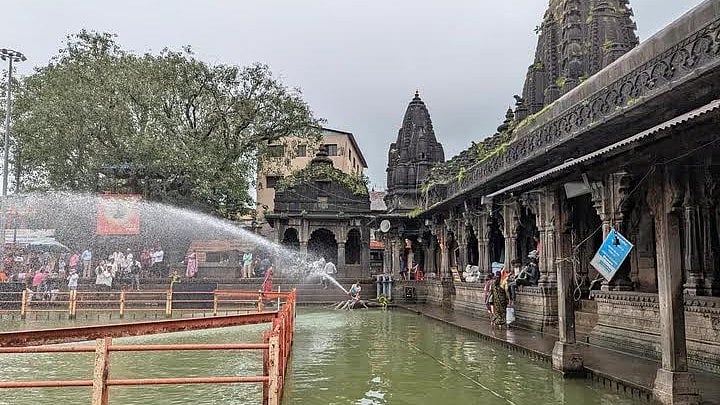
Nashik: Following reports of alarmingly high levels of carcinogenic hexavalent chromium in groundwater in the Datt Nagar area of Ambad MIDC, traces of the toxic chemical have reportedly been detected in a water sample collected from the Nandini (Nasardi)-Godavari river confluence at Takli. According to a laboratory report cited in published accounts, the chromium concentration at the confluence was recorded at 0.10 mg/litre, while a sample from a drain flowing into the Nandini River near XLO Point in Ambad reportedly showed 0.15 mg/litre. The findings have raised concerns about river water quality ahead of the upcoming Simhastha Kumbh Mela.
Chromium Levels Exceed Drinking Water Reference Limit
According to the reported findings, the laboratory report issued by Ashwamedh Engineers and Consultants, bearing reference number W/10/26/0475 and dated Oct 24, 2026, recorded hexavalent chromium at 0.10 mg/litre in the water sample collected from the Takli confluence. The sample from the drain near XLO Point reportedly contained 0.15 mg/litre.
The Bureau of Indian Standards (BIS) prescribes a maximum acceptable limit of 0.05 mg/litre for total chromium in drinking water. Compared with this reference value, the reported concentration at the confluence is twice the limit, while the drain sample shows three times the limit.
However, this is a drinking water benchmark, and assessing the safety of river water requires the relevant water quality criteria and official test results. The reported findings also need to be interpreted in the context of the sampling methodology and laboratory validation.
Extremely High Chromium Levels Reported in Ambad Groundwater
The issue came to light after complaints of yellowish water emerging from borewells in the Datt Nagar area of Ambad MIDC. According to information published by the South Asia Network on Dams, Rivers and People (SANDRP), a groundwater sample reportedly contained 50.3 mg/litre of hexavalent chromium and 50.5 mg/litre of total chromium.
Compared with the BIS drinking water limit of 0.05 mg/litre for total chromium, the reported concentration is more than 1,000 times higher. The findings underline the need to investigate the disposal of industrial effluents, the extent of groundwater contamination and the possible pathways through which pollutants could reach the Nandini and Godavari rivers.
Serious Risks to Human Health and Environment
Hexavalent chromium, or Cr(VI), is a toxic substance associated with cancer and other serious health risks. Published reports have also cited skin complaints and persistent wounds among residents exposed to contaminated groundwater in the Datt Nagar area.
Identifying the source of contamination, ensuring safe drinking water for affected residents and providing medical assistance are therefore essential. However, establishing a direct link between the chromium reportedly detected at the river confluence and specific health effects would require independent scientific investigation.
Calls for Transparent Testing Ahead of Kumbh Mela
With the Simhastha Kumbh Mela preparations gathering momentum and the flag-hoisting ceremony scheduled for Oct 31, 2026, the quality of Godavari water has assumed greater significance. Environmental activists and SANDRP have called for a comprehensive assessment of the extent of contamination, publication of complete laboratory reports and action against sources found responsible for pollution.
The Maharashtra Pollution Control Board (MPCB), Nashik Municipal Corporation and district administration are among the authorities whose intervention is crucial. Regular monitoring, identification of pollution sources and transparent disclosure of remedial measures are necessary to address public concerns.
The central question is no longer limited to groundwater contamination in Ambad. Authorities must establish how far the pollution has spread, whether the Nandini River is carrying industrial contaminants into the Godavari and what risks may exist at different points along the river.

