Nashik: Higher education institutions should look beyond conventional funding sources and explore Corporate Social Responsibility (CSR) initiatives, alumni networks and other funding mechanisms to strengthen infrastructure, improve students' employability and support skill development, said Pune-based resource person Vivek Atre.
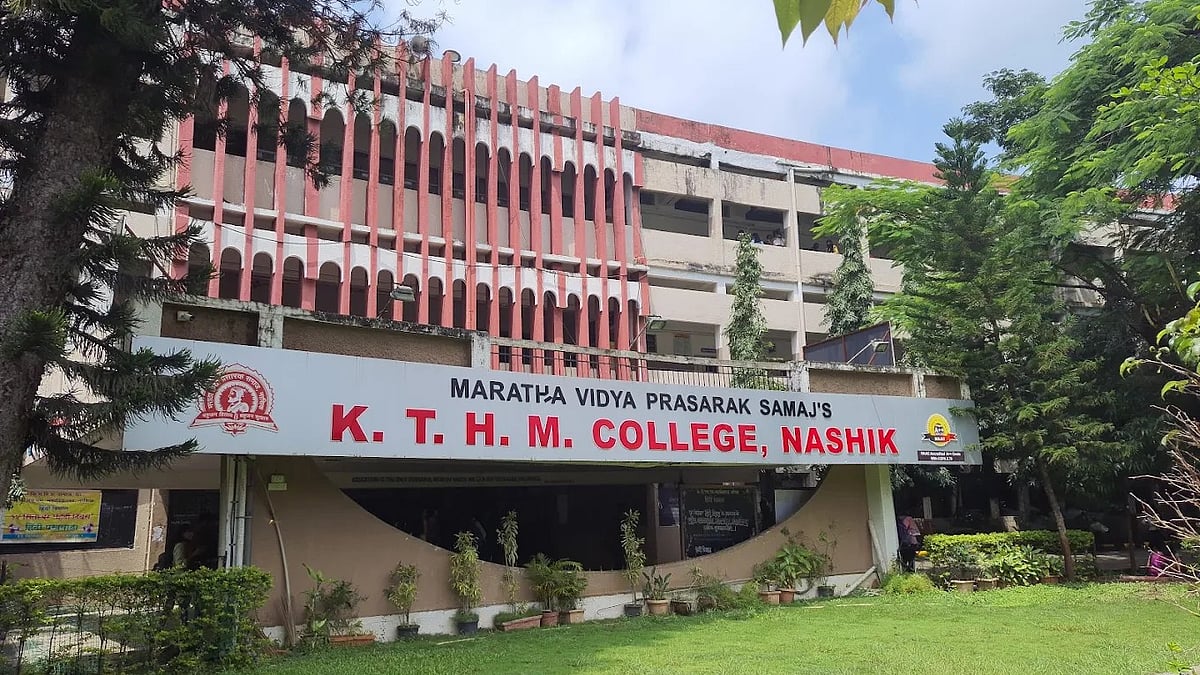
He was speaking at a one-day workshop on Fundraising Strategies for Higher Education Institutions, jointly organised by the Internal Quality Assurance Cell (IQAC) of KTHM College and the National Assessment and Accreditation Council (NAAC) Cell of Maratha Vidya Prasarak Samaj (MVP Samaj) on Saturday, Oct 10, 2026, at the VLC Hall of KTHM College in Nashik.
Dr Vilas Deshmukh, Education Officer of MVP Samaj and Principal of its College of Social Work, Dr Nitin Jadhav, Education Officer of MVP Samaj, Dr KM Ahire, Principal of KTHM College, and Dr Sharad Binnor, IQAC Coordinator of KTHM College, were present on the dais. Principals and IQAC coordinators from various colleges participated in the workshop.
Atre emphasised that institutions should not depend solely on government funding or conventional research-funding agencies. They should identify companies with CSR policies supporting education, training and skill development and submit well-designed proposals aligned with their priorities.
He pointed out that CSR funding could also support the development of sports infrastructure and sports excellence in rural areas. Companies can contribute to infrastructure development and educational initiatives, making them important potential partners for colleges.
Atre also highlighted the role of alumni associations in institutional development. By strengthening alumni networks, colleges can mobilise support for infrastructure, student training and employability-oriented programmes.
Institutions may also explore contributions from alumni based abroad, subject to applicable legal requirements and permissions for receiving foreign contributions.
Atre advised colleges to prepare a long-term fundraising plan of at least five years, with clearly defined objectives, measurable outputs and a framework to assess outcomes and wider impact.
He stressed the need to distinguish between an institution's aspirations and its actual requirements and develop realistic, well-structured proposals that demonstrate the intended benefits.

He added that colleges could approach eligible CSR contributors across India, as fundraising opportunities are not necessarily restricted by geographical boundaries.
Atre also introduced the concept of the Social Stock Exchange, through which eligible social enterprises and not-for-profit organisations can explore avenues for raising funds for social development projects, subject to applicable eligibility and regulatory requirements.
Dr Kalpana Ahire delivered the introductory remarks. Dr Tushar Patil compered the programme, while Dr Sharad Binnor proposed the vote of thanks.

