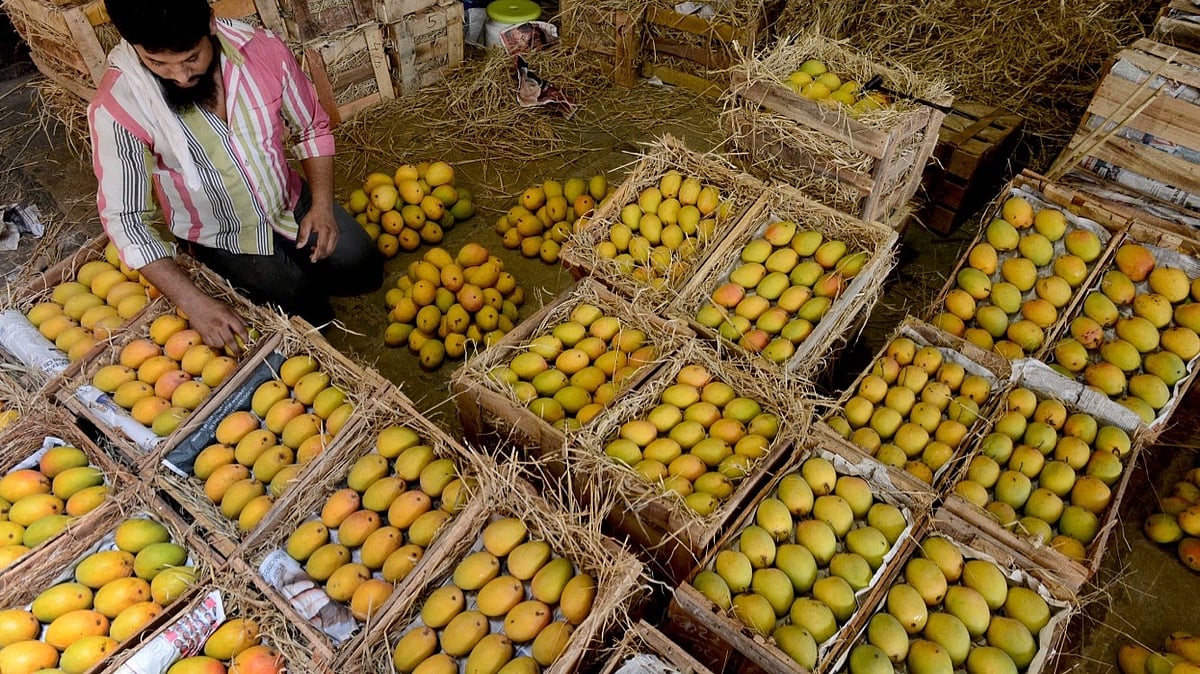
Nashik: The farmer irradiation centre of the Bhabha Atomic Research Centre (BARC) at Lasalgaon in Nashik district has achieved a major milestone in mango exports this season, marking a strong expansion in the global market. After successfully exporting to New York in the United States, premium Hapus mangoes are now being directly shipped to Australia and Malaysia as well.
So far this season, nearly 320 metric tonnes of mangoes have undergone irradiation processing at the centre. Out of this, 309 metric tonnes were exported to the United States, 6 metric tonnes to Australia, and 3 metric tonnes to Malaysia. Project officer Sanjay Aher informed that around 88,000 boxes of Hapus and Kesar mangoes have been processed and exported.
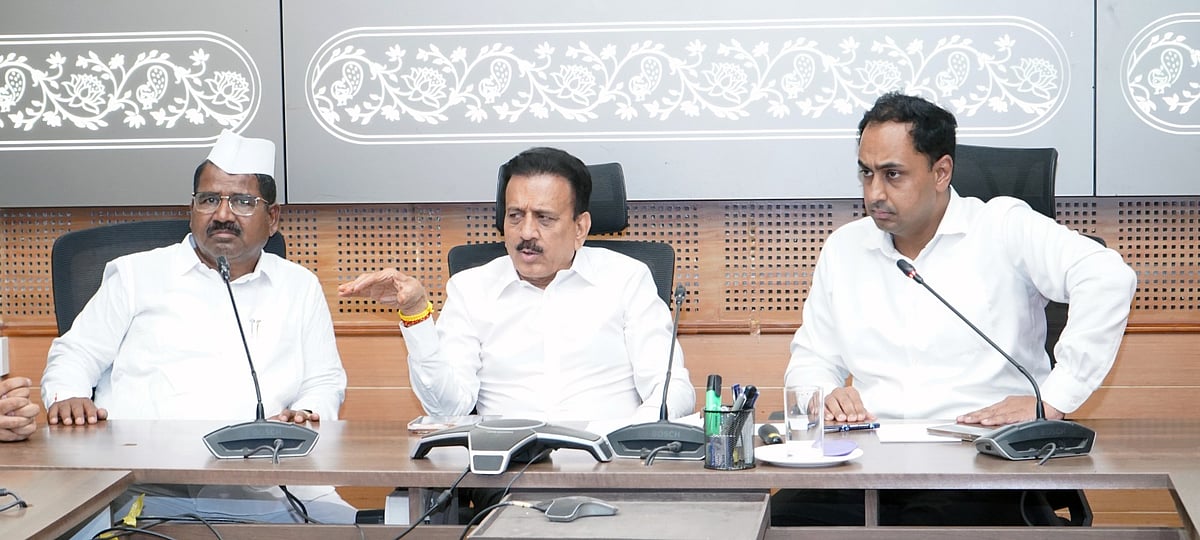
The centre initially operated between 2002 and 2006 only for onion irradiation. Mango processing began in 2007. The project, which was earlier managed by BARC and the Agricultural Marketing Board, is currently being operated by Hindustan Agro Limited. Export activities had come to a halt last year due to delays in obtaining necessary certifications, but operations have fully resumed and improved this season.
Hapus mangoes from the Konkan region, and Kesar mangoes from Gujarat are brought to Lasalgaon for gamma irradiation treatment. This process helps extend freshness and shelf life, removes pests inside the seed, and maintains the taste and quality of the fruit. Due to these benefits, demand for Indian mangoes in the international market continues to rise.
In the coming days, additional consignments are expected to be exported from the Lasalgaon centre to countries such as the United States, Australia, South Korea, and Malaysia. India exports nearly 50,000 tonnes of mangoes annually, with Maharashtra contributing a significant share. By June 31 this year, exports are expected to reach around 3,000 tonnes.
Indian mango varieties, including Hapus, Kesar, Badam, Rajapuri, Mallika, Himayat, Dasheri, Langra, and Chausa, are witnessing strong demand globally. The Lasalgaon irradiation centre is playing a key role in boosting exports and creating a stable source of income for farmers.
Mango export figures from the Lasalgaon irradiation centre show steady growth over the years. Exports stood at 157 tonnes in 2007, rising to 275 tonnes in 2008, then fluctuating over the next few years before reaching 560 tonnes in 2016 and 685 tonnes in 2019. Exports were impacted during the COVID-19 period in 2020 and 2021. They recovered to 360 tonnes in 2022, surged to 1,000 tonnes in 2023, and reached 1,100 tonnes in 2024. However, exports dropped to zero in 2025.
Highlighting a key challenge, Prakash Khakhar from KB Export, Thane, said that due to the ongoing war situation, transportation costs for mango exports have increased nearly threefold. He urged the government to reduce freight rates and take steps to encourage exports.

