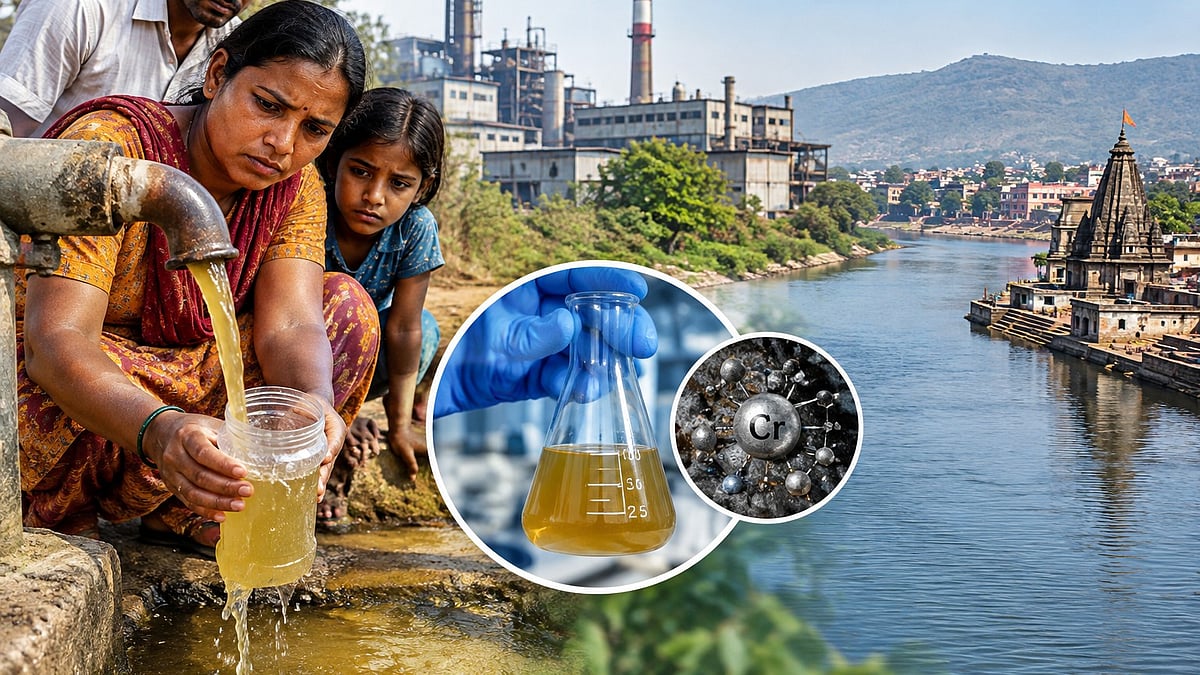
Nashik: Reports of severe groundwater contamination near the Ambad industrial estate have sparked serious health concerns among nearly 25,000 residents ahead of the 2027 Simhastha Kumbh Mela. Residents of Dattanagar, Maruti Sankul and Tulja Bhavani Nagar have complained of yellowish, foul-smelling water from borewells and hand pumps, while 119 people have reportedly developed skin problems, including rashes, boils and wounds.
Women and children are among those affected, although the cause of their ailments has not been medically established. The closure of public borewells has added to the difficulties of households dependent on groundwater, raising concerns over access to safe drinking water.
According to findings reported by the South Asia Network on Dams, Rivers and People (SANDRP), a groundwater sample from the affected area contained 50.3 milligrams per litre of hexavalent chromium, against the cited permissible drinking-water limit of 0.05 milligrams per litre. The reported concentration is more than 1,000 times the limit. Total chromium concentration was reported at 50.5 milligrams per litre.
The findings have raised concerns about groundwater safety and the possible movement of industrial pollutants towards the Nandini and Godavari rivers. However, the contamination levels and their geographical extent require confirmation through accredited laboratory testing.
13 Industrial Units Shut, Five Borewells Closed
The Maharashtra Pollution Control Board (MPCB) has initiated action against industries in the Ambad industrial estate over alleged violations of industrial wastewater treatment and disposal norms.
According to reports, 13 industrial units have been shut and their electricity and water supplies disconnected. Action against five additional units was also under consideration.
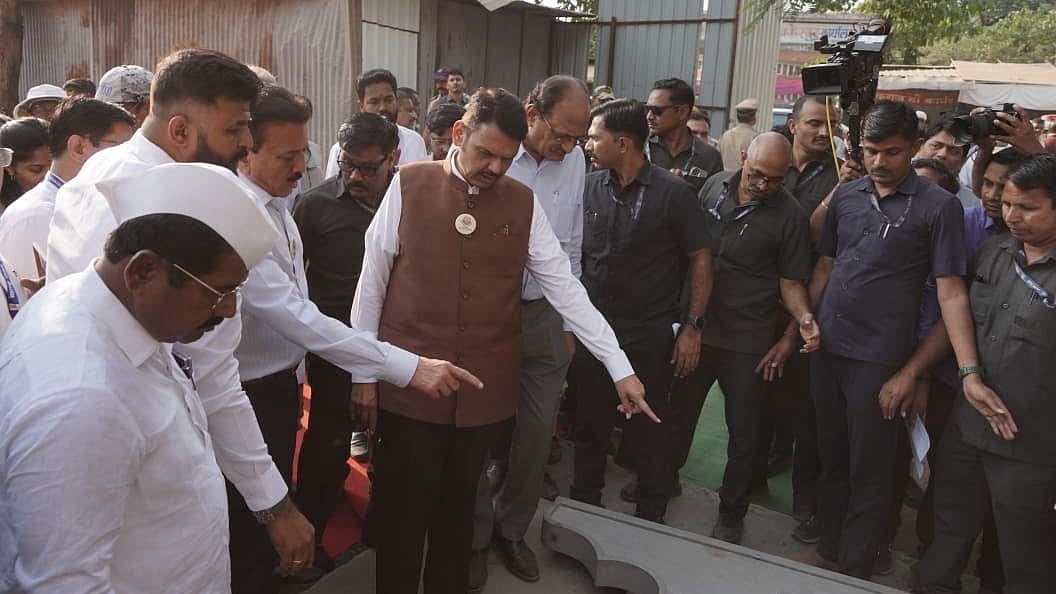
Guardian Minister Girish Mahajan has directed officials to prevent residents from using contaminated borewells and hand pumps and ensure an adequate supply of clean drinking water. Five public borewells have reportedly been closed as a precautionary measure.
Hexavalent chromium is a toxic form of chromium associated with serious health risks, including cancer under certain exposure conditions. The reported contamination has highlighted the need for urgent water-quality testing, medical assessment of affected residents and identification of the pollution source.
Fears of Pollution Reaching Godavari
The groundwater contamination has also raised concerns about industrial pollutants entering local drainage channels and reaching the Nandini and Godavari rivers.
SANDRP has highlighted the possibility of polluted water affecting the wider river system. However, the extent of any contamination in the rivers remains unestablished.
A comprehensive investigation covering groundwater sources, industrial discharge points, drainage channels and locations along both rivers is necessary to determine the presence of chromium and other hazardous substances.
Authorities must also inspect industrial effluent treatment facilities, identify the source of contamination and make verified water-quality reports public.
Kumbh Preparations Bring Water Safety into Focus
The issue has assumed greater significance as Nashik and Trimbakeshwar prepare for the 2027 Simhastha Kumbh Mela, which is expected to attract large numbers of pilgrims.
The gathering will place additional pressure on drinking-water supplies, sanitation, public health facilities and river management. Although the groundwater findings do not establish pollution in the Godavari, they underline the need for stronger environmental safeguards ahead of the religious gathering.
Alongside infrastructure development and riverfront improvement, authorities must strengthen industrial pollution monitoring, prevent illegal wastewater discharge and ensure that contaminated water sources are not used for drinking or cooking.
Public health teams should assess affected residents and provide guidance on safe water use. Industries found responsible for environmental violations must face appropriate legal action.
The reported closure of industrial units and the status of further enforcement measures also require confirmation through official MPCB records.
A time-bound action plan involving independent laboratory testing, transparent reporting and sustained regulatory monitoring is essential to protect residents and prevent further contamination.
With preparations for the Simhastha 2027 gathering pace, the Ambad groundwater contamination issue has emerged as a major public health and environmental concern. Timely action will be crucial to safeguard residents, pilgrims and Nashik's water resources.

