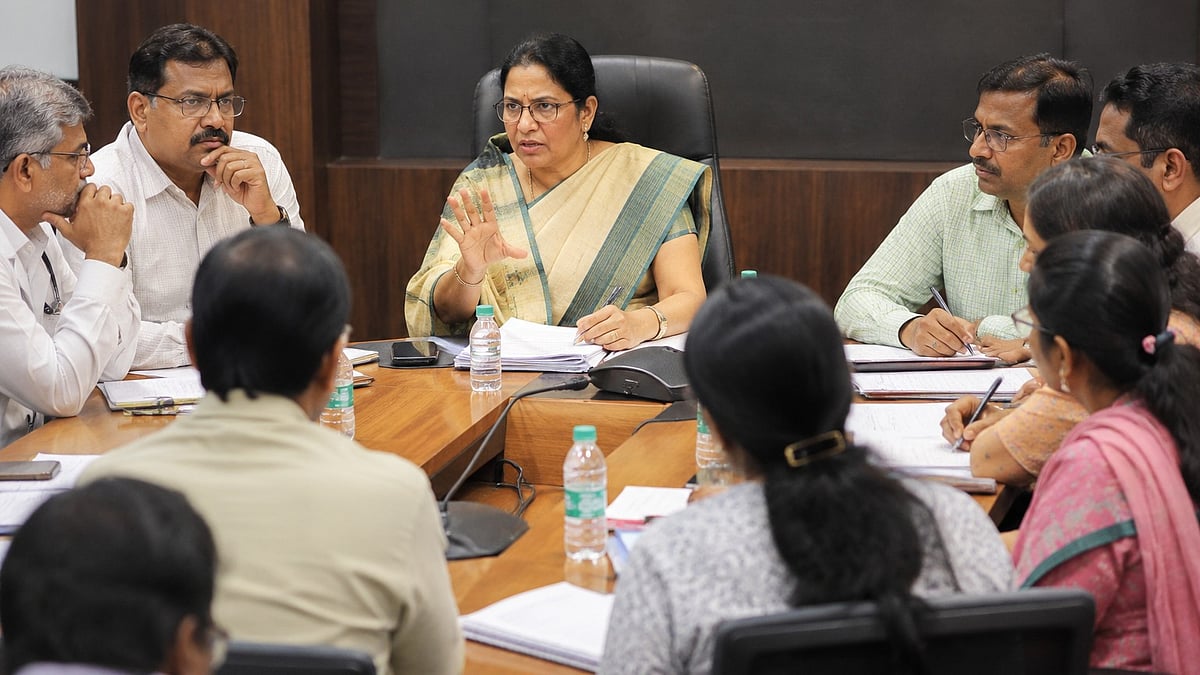
Nashik: A crucial meeting of the ‘District Child Mortality Audit Committee’ was held today at the Nashik Zilla Parishad Hall. Presided over by the Chief Executive Officer (CEO) of the Zilla Parishad, Pratibha Sangamnere, the meeting involved an in-depth discussion regarding six cases of child mortality that occurred during the period of December 2025 and January 2026.
The meeting was attended by various officials and stakeholders, including District Health Officer Dr Sudhakar More, District Maternal and Child Health Officer Dr Harshal Nehete, Deputy Chief Executive Officer (Women and Child Development) Pratap Patil, paediatricians, gynaecologists, Taluka Health Officers, Medical Officers, ASHA volunteers, Anganwadi workers, and relatives of the deceased children.
During the meeting, a detailed audit was conducted regarding the six child mortality cases reported in the talukas of Dindori, Peth, Baglan, Yeola, Igatpuri, and Surgana. Taking serious note of significant deficiencies and delays observed at both the medical treatment and administrative levels, CEO Pratibha Sangamnere expressed her strong displeasure with the concerned officials.

During the meeting, Chief Executive Officer Pratibha Sangamnere and District Health Officer Dr Sudhakar More expressed strong displeasure after serious deficiencies and instances of negligence within the Health Department and the Department of Women and Child Development came to light. Issuing a stern warning that "no laxity whatsoever will be tolerated in healthcare services," the Chief Executive Officer ordered the issuance of 'Show-Cause' notices to the concerned Taluka Health Officers, Medical Officers, and staff members.
During this meeting, assurances were given that strict measures would be implemented to prevent the recurrence of such incidents in the future.
7 Key Directives to Prevent Child Mortality
With the aim of reducing the rate of child mortality in the future and strengthening the healthcare system, the following seven key directives were issued during the meeting:
1. Conduct weekly follow-ups for pregnant women starting from their seventh month of pregnancy.
2. Provide immediate primary treatment to children suffering from serious illnesses and refer them promptly to higher-level treatment centres.
3. Ensure the proper classification of malnourished children into ‘SAM’ (Severe Acute Malnutrition) and ‘MAM’ (Moderate Acute Malnutrition) categories.
4. Admit SAM/MAM children to NRC (Nutritional Rehabilitation Centres) or VCDC centres.
5. Provide counselling to parents in cases involving LAMA (Discharge Against Medical Advice). 6. Conducting a comprehensive examination of children during vaccination sessions, visits to Primary Health Centres (PHCs), and home visits.
7. Immediately referring children with congenital defects to the DEIC centres under the RBSK program.
