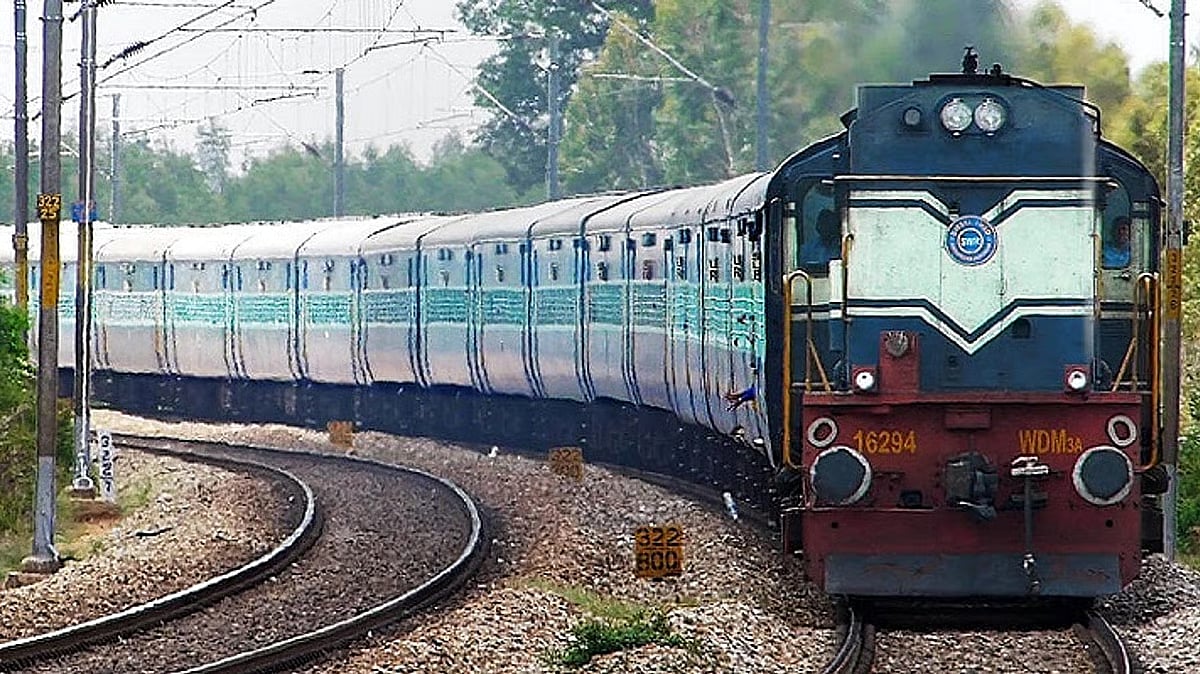
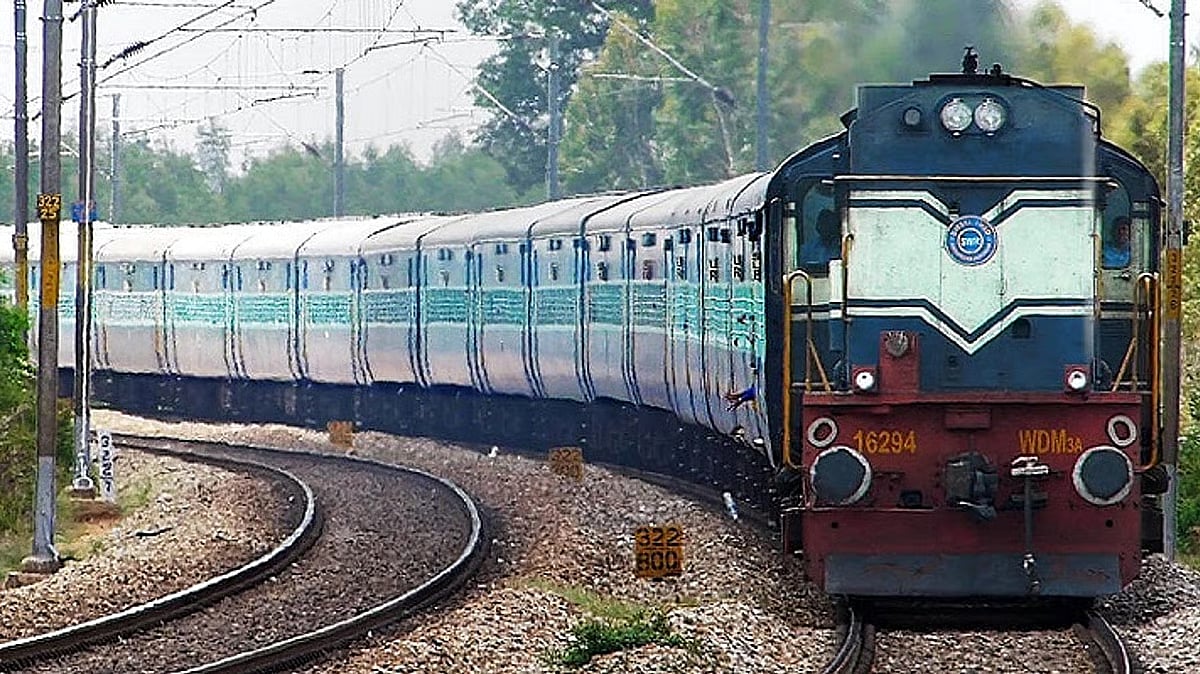
Nashik: To prevent soil erosion in the ghat section and enhance the safety of railway operations, Central Railway has adopted ‘Vetiver Bioengineering’. As part of this initiative, vetiver grass has been planted on an experimental basis over an area of 4,250 square metres along the Kasara–Igatpuri route. The effectiveness of this nature-based solution is being assessed alongside conventional engineering measures to improve slope stability.
The Kasara–Igatpuri section in Central Railway’s Thal Ghat is prone to soil erosion, rapid water flow, falling rocks and landslides during the monsoon, posing challenges to the safety of railway operations. Against this backdrop, Central Railway is exploring the use of vetiver grass for natural stabilisation of slopes.
Globally recognised system
Vetiver grass is used worldwide as a bioengineering plant under the ‘Vetiver System’. Its roots grow deep into the soil, forming a dense fibrous network that helps bind and hold the soil together. The grass also slows down surface water flow, traps sediment and helps prevent erosion on slopes.
According to railway officials, the grass can grow up to three to four metres within 12 to 24 months. Its deep root system can also help increase the soil’s shear resistance by around 30% to 40%.

Plantation across 4,250 square metres
The plantation has been undertaken over an area of 4,250 square metres along the mid-line in the Thakurwadi Cabin–Palsdari section of the Kasara–Igatpuri route. Vetiver hedges are being planted along contour lines on slopes and embankments in the ghat section.
While the deep roots help hold the soil firmly in place, the dense foliage reduces the speed of flowing water. This helps prevent the formation of gullies, improves water infiltration into the soil and traps sediment, thereby contributing to the long-term stability of slopes and safer railway operations.

