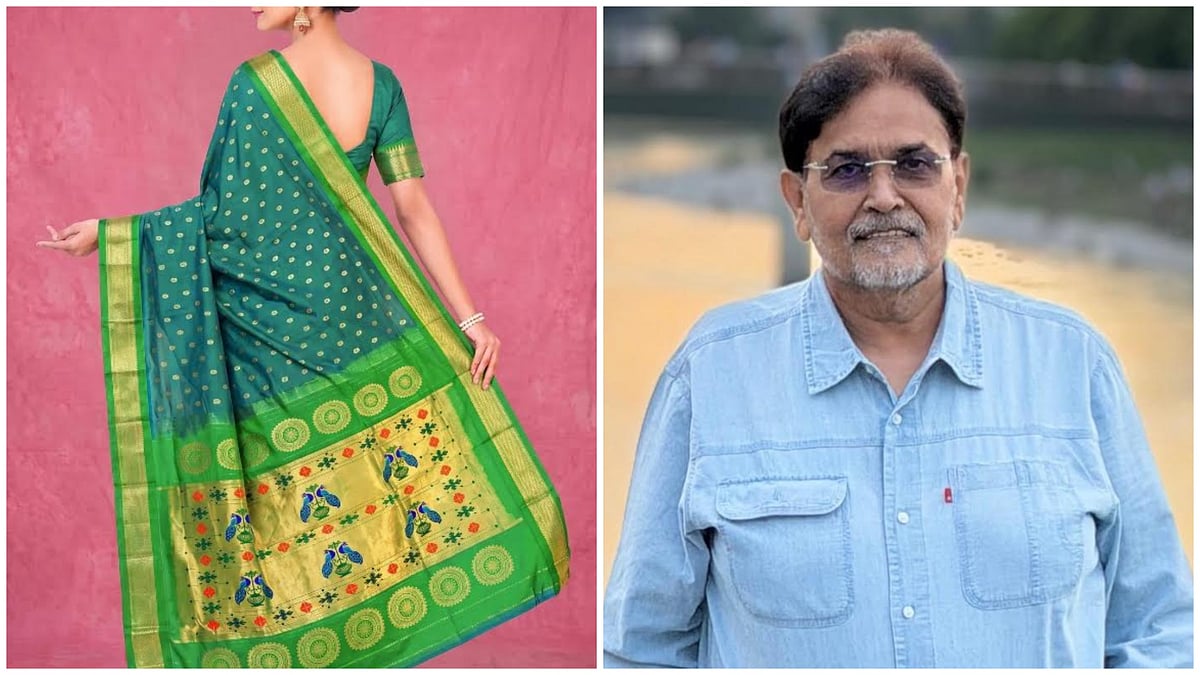
Nashik: The authenticity of Maharashtra’s iconic Paithani saree is set to become easier to verify. In a major initiative aimed at distinguishing genuine Paithani sarees from semi-Paithanis and imitation products, the state’s Textiles Department is working on introducing a special barcode and logo system.
The initiative is expected to help prevent consumers from being cheated while purchasing Paithani sarees and strengthen the identity of this traditional Maharashtrian textile.
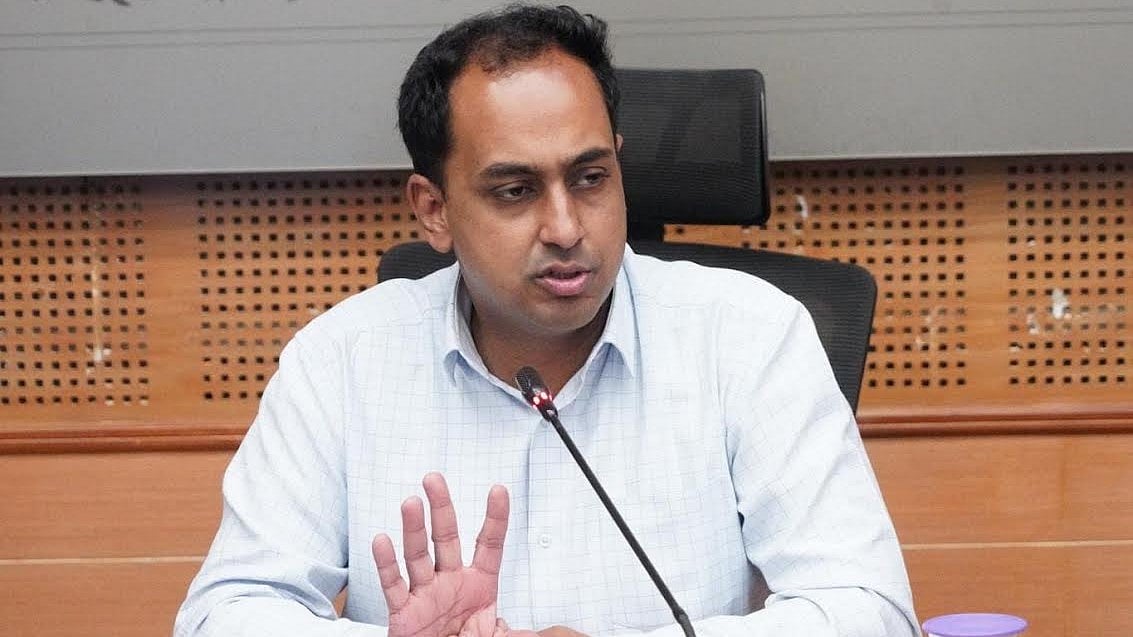
State Textiles Minister Sanjay Savkare recently shared details of the proposed initiative. Apart from assigning a unique barcode to authentic Paithani sarees, efforts are also underway to develop a distinctive logo for their identification.
Once the barcode is scanned, customers are expected to receive important information about the saree, including details of the yarn used, the artisan involved in its creation and the place of manufacture.
Special identity for Yeola Paithani
Yeola in Nashik district is one of the major centres of Paithani production, and its handwoven Paithani sarees enjoy significant demand in India and abroad. The proposed initiative is expected to give the traditional Yeola Paithani a clearer and more recognisable identity.
The Paithani is a product deeply associated with Maharashtra’s cultural heritage, craftsmanship and handloom tradition. A distinctive logo and digital identification system could further strengthen its recognition in domestic as well as international markets.
Curb on fake Paithani sales
There have been concerns about semi-Paithanis, machine-made sarees and imitation products being sold in the market in the name of authentic Paithani. For ordinary customers, it is often difficult to distinguish a genuine handwoven Paithani from other varieties.
The proposed barcode system could enable buyers to verify the product and access its details directly, thereby reducing the possibility of fraud. It is also expected to help customers make informed purchasing decisions.
Major boost for traditional artisans
Paithani weaving is not merely a textile-making process but an important part of Maharashtra’s traditional art and cultural heritage. Authentic Paithanis require considerable time, skill and the painstaking efforts of experienced artisans.
Digital identification of every authentic product could help bring the work of these artisans directly before customers and provide them with greater recognition. The initiative may also improve transparency in the supply chain and enhance the market value of genuine handloom Paithanis.
Digital support to traditional heritage
The proposed barcode and logo system is expected to combine traditional craftsmanship with modern technology. By creating a verifiable identity for every authentic Paithani, the initiative could strengthen consumer confidence and protect the reputation of this heritage product.
If implemented effectively, the system could make it possible for customers to simply “scan and verify” the authenticity and origin of a Paithani saree. The move is therefore likely to prove significant not only in curbing counterfeit products but also in safeguarding Maharashtra’s rich weaving tradition and giving a boost to the Paithani industry, particularly in Yeola and Nashik.
“The Maharashtra government’s decision to introduce a barcode and logo for the Paithani, which is globally renowned as Maharashtra’s iconic traditional attire, is welcome. This initiative will make it possible to identify counterfeit sarees and prevent consumers from being cheated in the name of authentic Paithani.
“In several states across the country, particularly in southern and northern India, sarees are being sold falsely as Paithanis. Therefore, the Maharashtra government’s decision will certainly help curb such practices and protect the authenticity and identity of the traditional Paithani.”
— Sanjay Soni, Director, Soni Paithani, Yeola/Nashik

