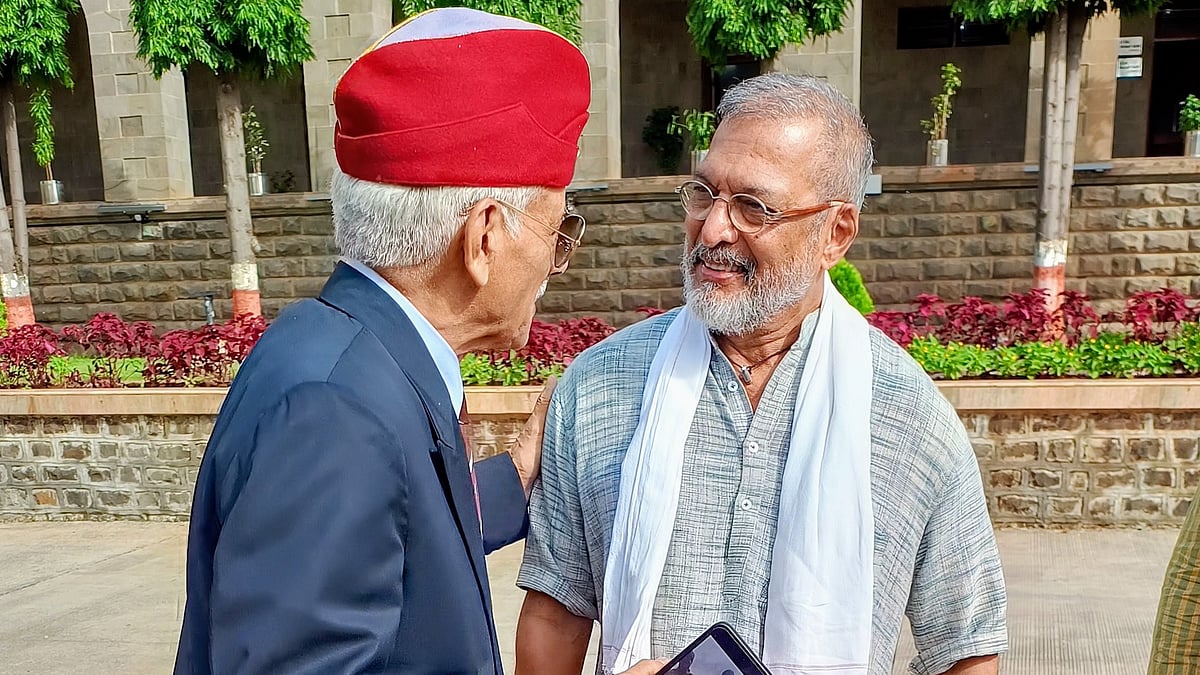
Pune: Veteran actor Nana Patekar died on Thursday at the age of 75, bringing an end to a career that spanned Marathi theatre, Hindi cinema and some of Indian cinema’s most memorable performances.
But away from the screen, Patekar had a very different relationship with the city where he worked.
Nana Patekar may have spent decades working in Mumbai and become one of Hindi cinema's most recognisable actors, but he repeatedly made it clear that he never considered the city his home.
For Patekar, home was often the quieter world he built just outside Pune, where he farmed, cooked, trekked and lived away from the crowds and demands of the film industry.
"I do not belong to Mumbai," Patekar said in a 2009 interview, explaining that he was uncomfortable with the crowds and changes he had seen in the city. "The Mumbai I knew in 1985 and 1986 is different from what it has become. This Mumbai is not mine," he said.
His connection with Pune was not that of a celebrity who simply owned a farmhouse outside the city. Patekar spent weeks at a time at his property near the Sinhagad valley and often returned whenever he was not shooting.
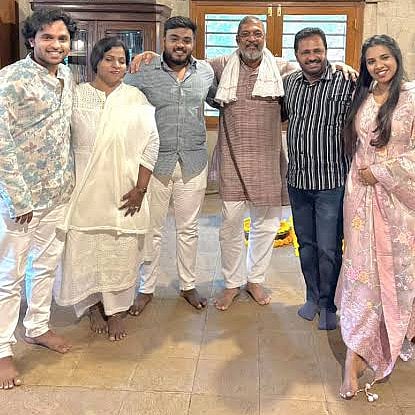
Nana Patekar celebrating Ganeshotsav at his Pune farmhouse in 2024 | Facebook
'I come to Mumbai only for work'
In a 2015 interview, Patekar spoke openly about his life away from films. He said he wrote, travelled, trekked, went rifle shooting and spent time at his farm. He described the property as being near the Sinhagad valley and said he used to climb Sinhagad several times a week when he first started living there.
"I have a house in Murud, Goa, Pune, Mumbai and also in the khet (farm)," he said. "I come to Mumbai only for work and my mother."
He also made his preference clear. "I don't like this Mumbai. I don't like staying here; I prefer staying in villages or in Pune or Goa, but not here," Patekar said.
The statement captured the unusual relationship he had with the city where he built his film career. Mumbai was where he worked. Pune and rural Maharashtra were where he wanted to spend his time.
A farmhouse in the Sinhagad hills
Patekar's farmhouse has been described in reports as being in the Donje-Khadakwasla area near Sinhagad. Different reports have referred to the location as Khadakwasla, Donje and the Sinhagad valley. Patekar himself described it as being near the Sinhagad valley.
The property reportedly spreads across around 27 acres. It is far removed from the image of a typical Bollywood celebrity home. Reports have described a simple house with wooden furniture, terracotta flooring and large open spaces surrounded by greenery.
But the property was more than a retreat.
Patekar farmed there and kept animals. Reports have said he grew crops and vegetables and kept cows, goats and poultry. "I love being close to nature. I am a farmer at heart," he was quoted as saying in 2010.
His friend and filmmaker Pravin Tarde also spoke about this side of Patekar in 2026. Tarde said Patekar continued to farm at his property near Sinhagad and could often be found working in the fields or experimenting with something new.
When a film came calling, he would return to Mumbai. When there was no work, the farm drew him back.
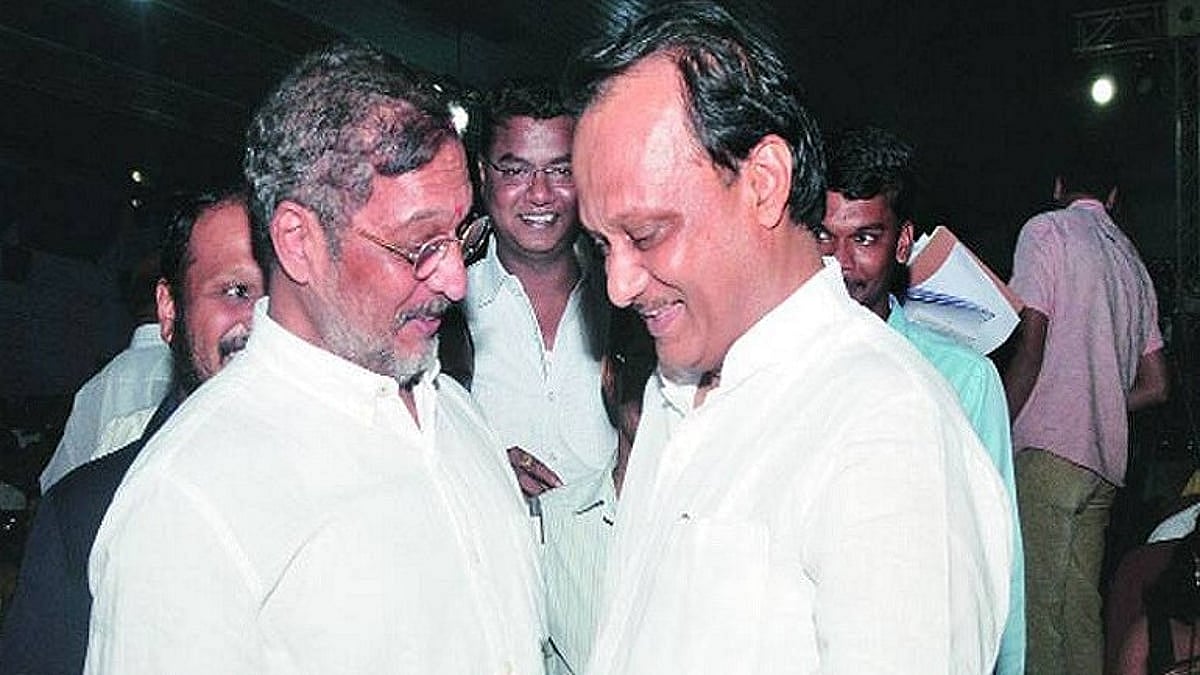
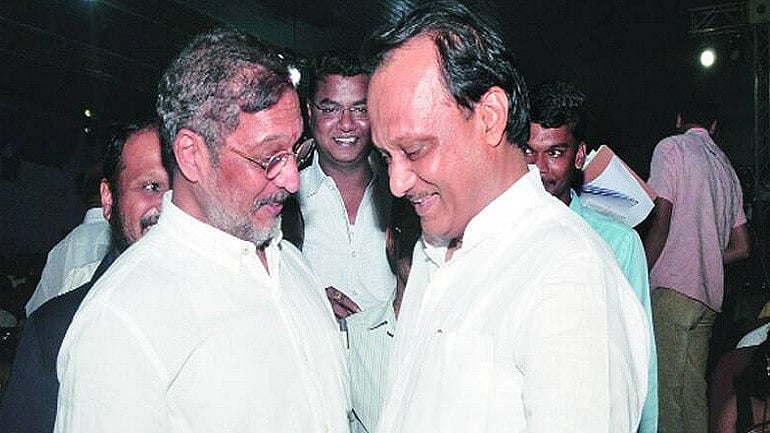
The late Nana Patekar with the late Guardian Minister of Pune, Ajit Pawar | Sourced
'In the city, we have walls; in my village, I have mountains'
Patekar gave perhaps his most personal description of this life during his appearance on Kaun Banega Crorepati 16. Speaking to Amitabh Bachchan, he said he did not consider himself part of the film industry.
"I am not from the industry. I come here, work here and then go back," he said.
He also said, "I am from the village and I will stay there. And I like it there."
Explaining why he preferred that life, Patekar drew a comparison between the city and his home. "Just like there are walls in the city, there are mountains in my house," he said.
He spoke about waking up without an alarm because of birds, seeing peacocks around his home and cooking his own food. He also had a gym at the property, along with cows and a bull.
For Patekar, the appeal was not luxury. It was simplicity.
Pune was also linked to his work for farmers
His relationship with Pune extended beyond his personal life. The city also became an important base for his work with farmers through the NAAM Foundation, which he spearheaded with actor Makarand Anaspure.
The organisation was registered in Pune in 2015 and began working on issues linked to farmer distress, drought, water shortages and farmer suicides across Maharashtra. Patekar used his own experience as a farmer to speak about the problems faced by people in rural Maharashtra.
In 2017, while speaking at TiECon Pune, he spoke about collective farming and plans to expand the model across thousands of acres.
His work also took him to drought-hit parts of Ahilyanagar, Nashik, Marathwada and Vidarbha.
In 2016, NAAM distributed ration supplies to drought-affected families in Ahilyanagar. In Marathwada, Patekar spoke about the need to provide farmers with psychological support along with financial help and water-management solutions.
He also visited Kolhapur in connection with the organisation's work for families of farmers who had died by suicide.
Thus, Pune became more than the place where Patekar escaped from Mumbai. It was also one of the centres from which he connected with the rural Maharashtra that he identified with so strongly.
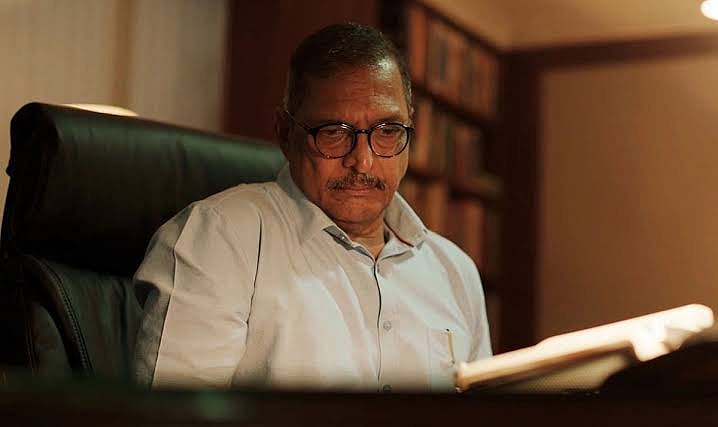
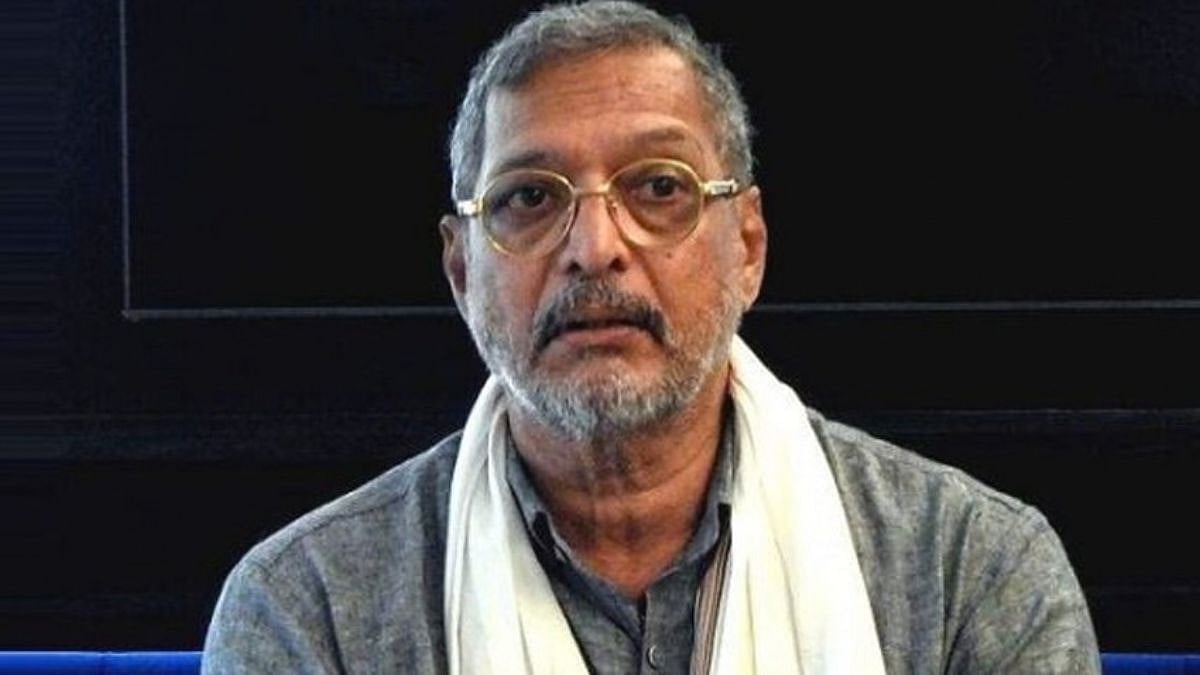
The late Nana Patekar | Sourced
A farmhouse that became a meeting place
Patekar's Pune farmhouse also became a place where he received friends and political leaders. During Ganeshotsav in 2022, then Maharashtra Chief Minister Eknath Shinde visited his farmhouse in Donje. Patekar reportedly prepared pithla-bhakri himself.
The next morning, NCP leader Ajit Pawar visited the property and spent around two hours with him. Pawar also toured the farm, including its agricultural areas and animal shed.
The visits offered a glimpse of how Patekar lived away from Mumbai, cooking for guests, working on his land and spending time around the farm.
A life divided between the screen and the hills
Patekar's journey took him from Marathi theatre to some of the most memorable roles in Hindi cinema. But he never appeared completely comfortable with the idea of becoming part of Mumbai's celebrity culture. Across interviews over the years, his message remained largely the same.
He worked in Mumbai, but returned to the countryside. He acted in films, but identified himself as a farmer. And while he became a familiar face on screen, he repeatedly chose the quieter life around Pune when the cameras stopped rolling.
For a man who once said, "I do not belong to Mumbai," the hills around Sinhagad offered something the film city could not: a place where he could simply return home.

